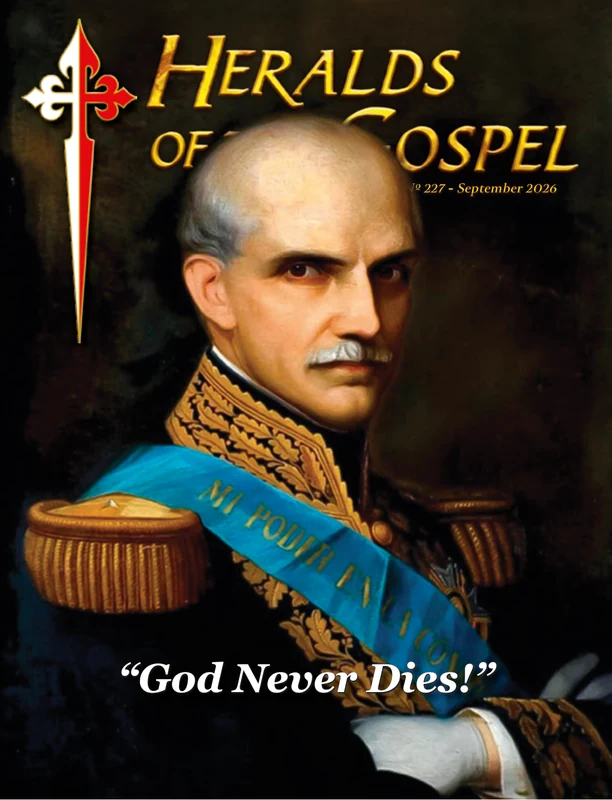
 Heralds of the Gospel Magazine, Vol. 20, nº 227, September 2026
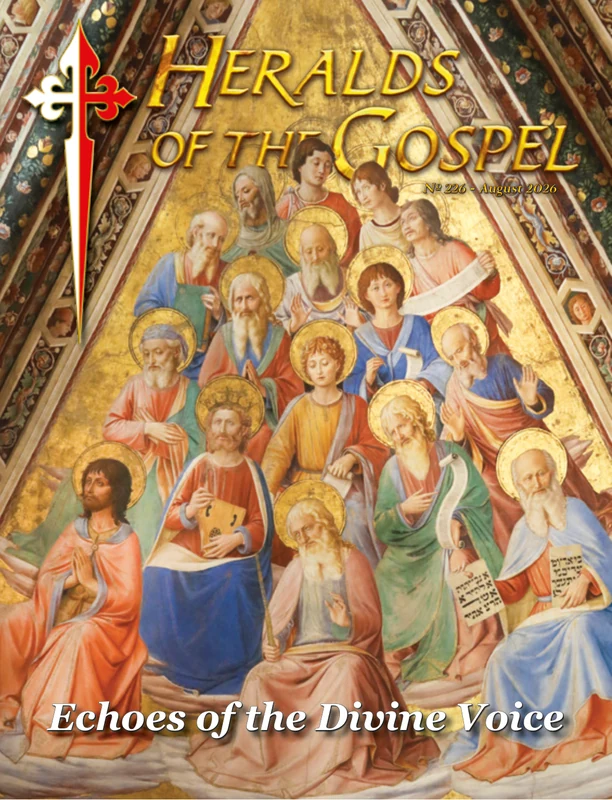 Heralds of the Gospel Magazine, Vol. 20, nº 226, August 2026
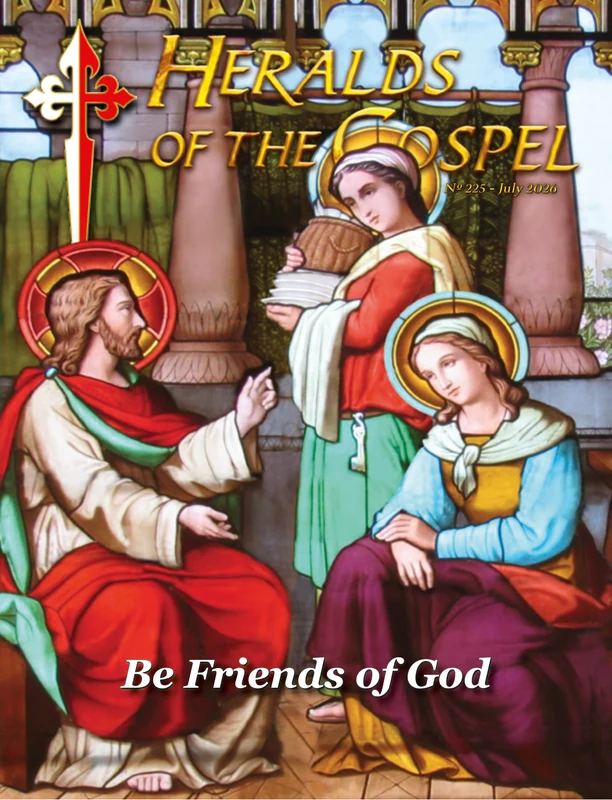 Heralds of the Gospel Magazine, Vol. 20, nº 225, July 2026
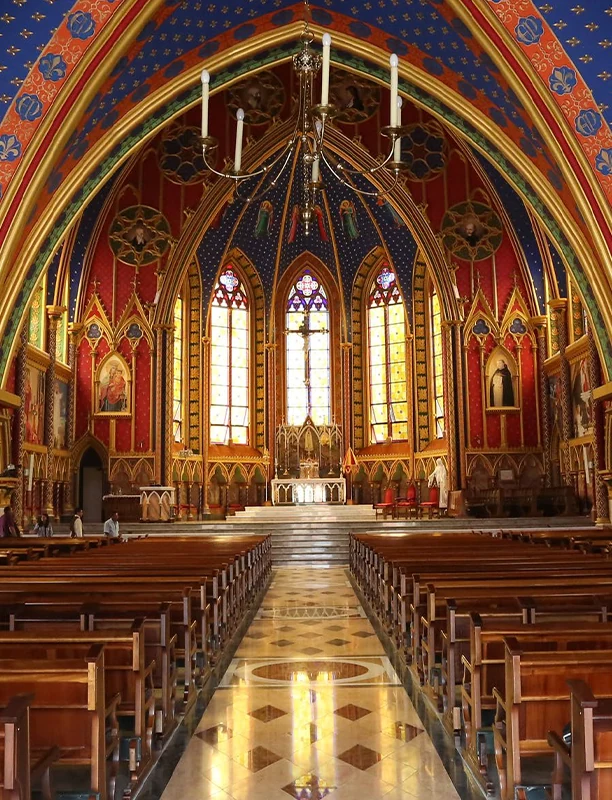 Who are the Heralds of the Gospel?
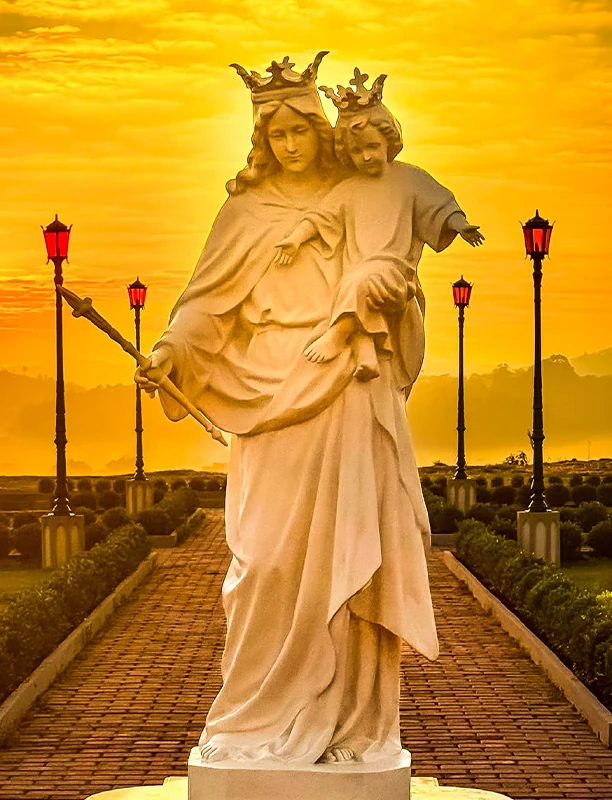 Help of Christians
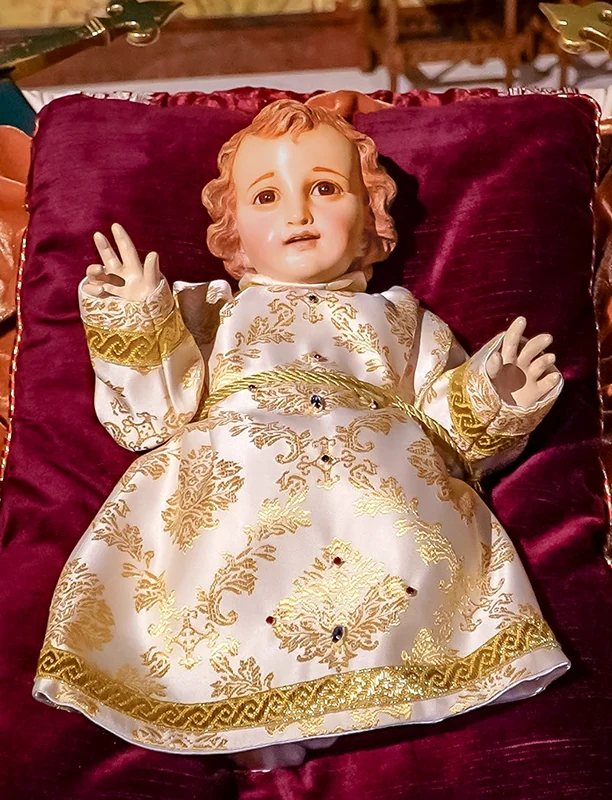 Christmas Carols







In the Hebrew of the Old Testament, one of the terms for prophet – hozeh – indicates one who sees; the Greek prophetes means the one who speaks.
But what, in fact, do the prophets see and say? Moses is the best example to answer this question, for “there has not arisen a prophet since in Israel like Moses, whom the Lord knew face to face” (Dt 34:10).
Although the holy liberator of the Israelites was incapable of intuiting the divine essence – otherwise, he would have died (cf. Ex 33:20) –, “the Lord used to speak to Moses face to face, as a man speaks to his friend” (Ex 33:11).
Even without contemplating God as He is – except “His back” (cf. Ex 33:23) –, Moses was profoundly known by the Creator. Even being “slow of speech” (Ex 4:10), he was invested to guide the people, for the Lord spoke through him.
Here, one perceives a mysterious connaturality between the One who is (cf. Ex 3:14) and the prophet; an intimacy that the Most High promises to His chosen one: “My presence will go with you” (Ex 33:14).
In this deep bond, the prophet becomes a herald of the divine voice and a reflection of the “unapproachable Light” (1 Tim 6:16); in short, the very face of God on earth.
Elijah arose “like a fire,” and “his word burned like a torch” because it was “by the word of the Lord he shut up the heavens, and also three times brought down fire” (Sir 48:1, 3).
In an analogous manner, when the Lord commanded Hosea to sound the trumpet (cf. Hos 8:1), He concretized, through the prophet, the urgent warning to the people.
It is no coincidence that the crowds recognized Jesus, the Incarnate Word, not only as a prophet (cf. Mt 21:46), but as the “great prophet” (Lk 7:16).
Others identified Him with John the Baptist, Elijah, Jeremiah, or one of the ancient prophets (cf. Mt 16:14). However, when the Apostles were questioned about His identity, Peter, inspired, declared: “You are the Christ, the Son of the living God” (Mt 16:16).
In the testimony of the first Pope there was something prophetic, for Our Lord affirms that his profession of faith did not come from flesh and blood, but from the very “Father who is in Heaven” (Mt 16:17).
With the constitution of the Church, prophecy then enters into the New Covenant, “For the Law was given through Moses; grace and truth came through Jesus Christ” (Jn 1:17).
From then on, every baptized person participates in the prophetic mission of Christ.1
The Acts of the Apostles attest to a profusion of prophetic actions, from the four daughters of Philip, “who prophesied” (Acts 21:9), to the disciples, who acted “through the Spirit” (Acts 21:4) and in full harmony with Him: “For it has seemed good to the Holy Spirit and to us…” (Acts 15:28).
Prophetic manifestations did not, however, end in the apostolic era; they remain perpetually alive in the Church, especially in Marian apparitions.
In these, the Queen of Prophets not only sees and is seen by her children, and speaks with them, but also acts alongside her Divine Son in the course of history, cooperating in their salvation. Thus we see the face of God continuing to accompany humanity…