 Heralds of the Gospel Magazine, Vol. 20, nº 227, September 2026
 Heralds of the Gospel Magazine, Vol. 20, nº 226, August 2026
 Heralds of the Gospel Magazine, Vol. 20, nº 225, July 2026
 Who are the Heralds of the Gospel?
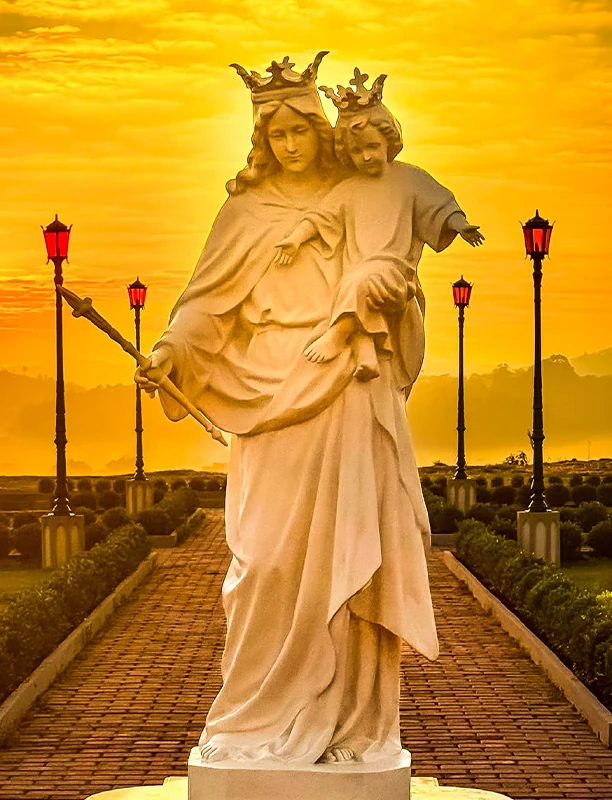 Help of Christians
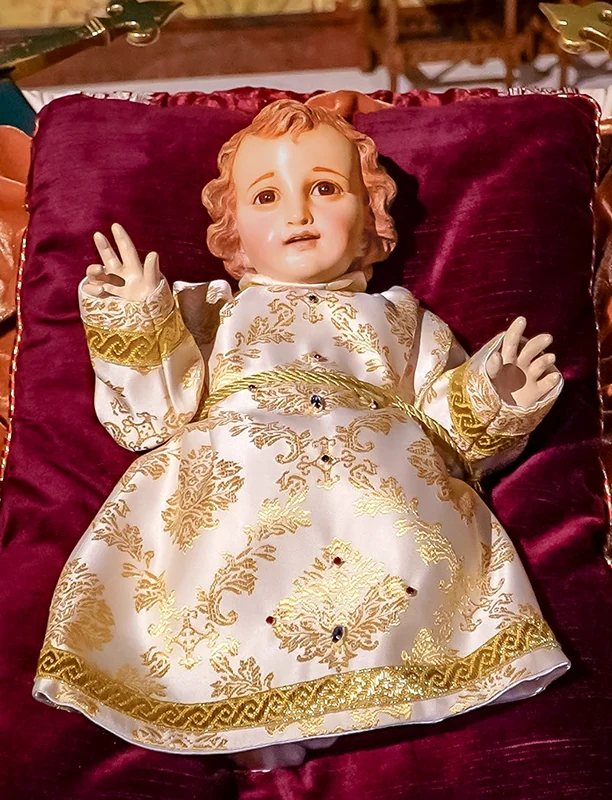 Christmas Carols






France, late 10th century. In front of a church consecrated to the Mother of God, a boy waits alone for the return of his nurse and some of his father’s servants, who are accompanying him.
At a tender age, he suffered from an illness that had robbed him of the strength in his limbs, making any form of movement immensely difficult.
There was no danger of him disappearing while his caretakers bought provisions for their journey at nearby shops.1
However, perceiving his solitude and feeling impelled by a strong impulse of grace, the child decides to undertake an adventure. Overcoming the inertia of his body, he crawls into the sanctuary amidst the shadows.
With great difficulty he reaches the presbytery and, grasping the altar cloth with a supreme effort, tries to stand up. The illness, however, continues to hold him back…
Suddenly, divine power, mediated by the intercession of the Blessed Virgin Mary, triumphs and restores the strength of those small limbs in a single instant.
A miracle: the boy stands up! Free from the paralysis that bound him, he begins to run about, exultant at the unexpected supernatural intervention.
Meanwhile, the servants return to the place where the little paralytic had been left and, not finding him, begin to search for him everywhere, in anguish. Had he been kidnapped?
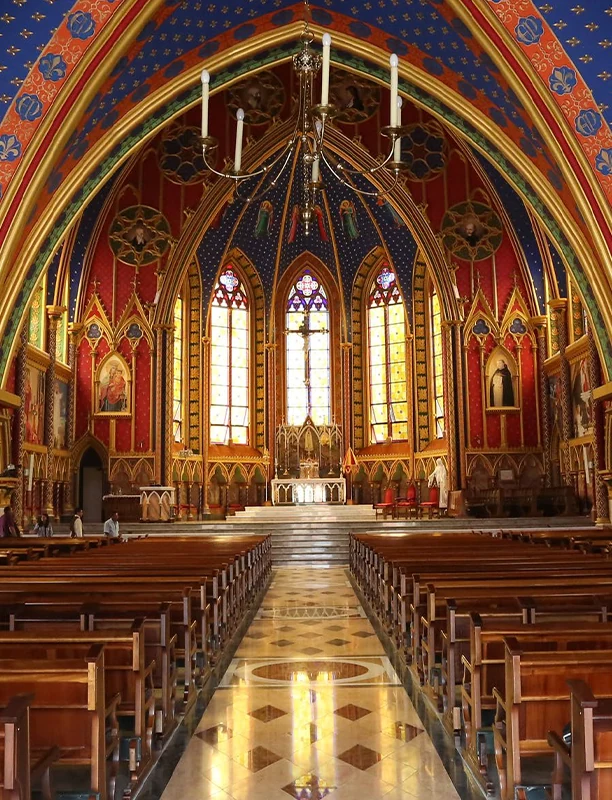
Upon entering the church, they encounter an unusual scene: under the dim twilight filtering through the Romanesque stained-glass windows, the child scampers nimbly.
Recognizing the prodigy of grace, they hasten to finish the journey and present that “walking miracle” named Odilo to his parents.
Years later, that same boy, whom time had matured and grace had transformed into a monk, the great abbot of Cluny – the largest monastic family of the time – would return to that church.
This time, however, it would not be his arms and legs that would miraculously regain their vigour, but rather his soul that would soar to unimaginable heights of union with the Queen of Angels.
Before the altar where, once, the Mother of God had freed his limbs, he now came to subject them again, no longer to the crippling servitude of nature, but to the glorious and sacred slavery to Mary.
There is no one around. Only the Angels contemplate the scene, enchanted. Encircling his neck with one end of a rope, the Saint places the other end on the Virgin’s altar and, with Heaven as his only witness, pronounces his consecration:
O most gracious Virgin and Mother of the Saviour of all ages, accept me from this day forward forever into your service. In all my difficulties, O most merciful Advocate, come to my aid.
Below God, I place nothing before You. And, of my own free will, I surrender myself as a slave to your dominion for all eternity.
With this act of total surrender, St. Odilo, who had known Mary’s love from an early age, crowned the miracle of his liberation. By becoming a slave to such a Lady, he attained the fullness of true freedom.
His soul forever guarded from the power of the devil and his limbs definitively protected from servitude to sin, in the Virgin’s arms he would tread a straight and safe path to Heaven.
The Saint thus revealed to humanity a secret hidden since creation: the supreme happiness of those who entrust themselves entirely to the Mother of God and Queen of the Universe.