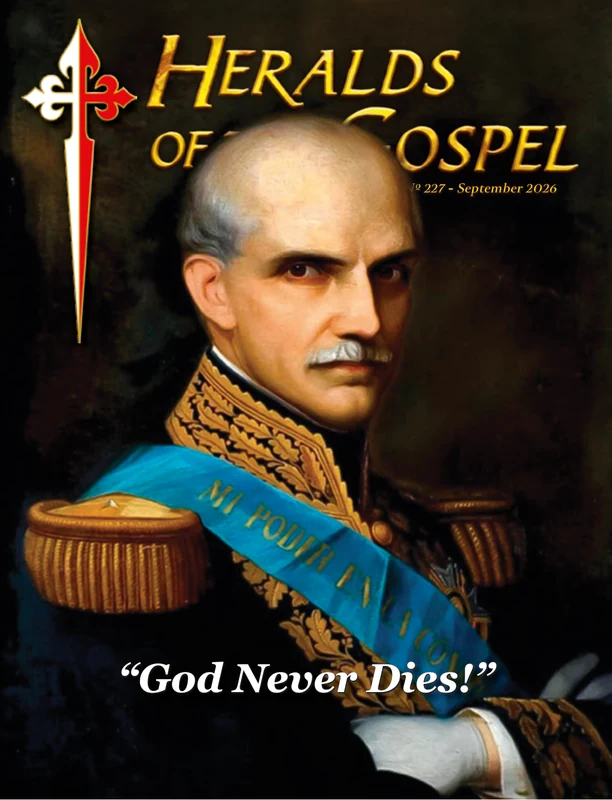
 Heralds of the Gospel Magazine, Vol. 20, nº 227, September 2026
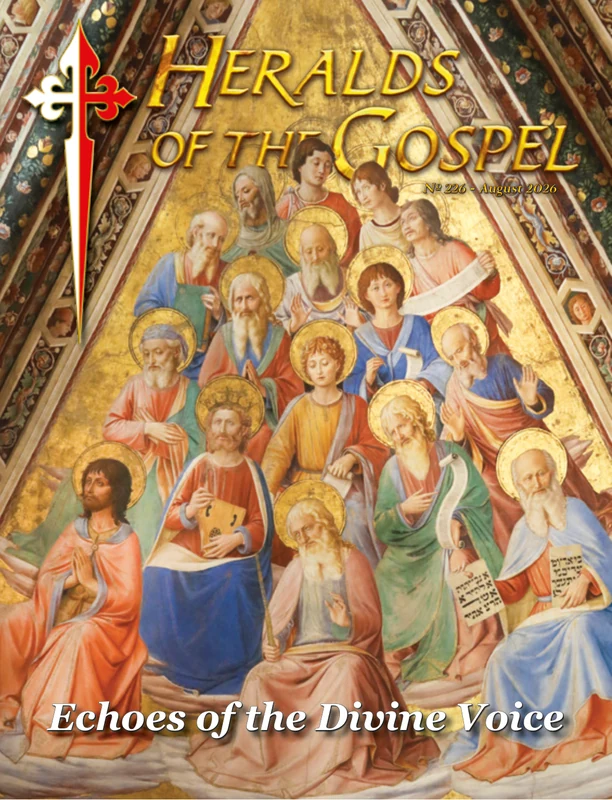 Heralds of the Gospel Magazine, Vol. 20, nº 226, August 2026
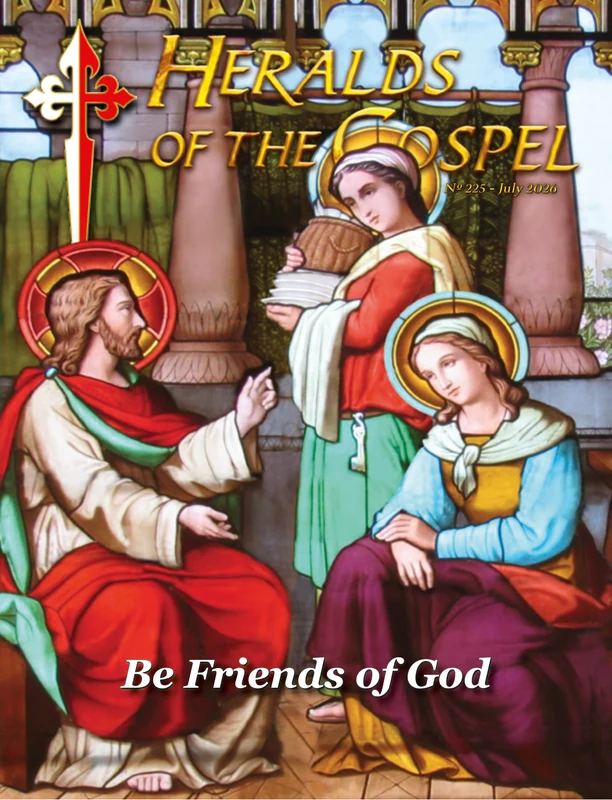 Heralds of the Gospel Magazine, Vol. 20, nº 225, July 2026
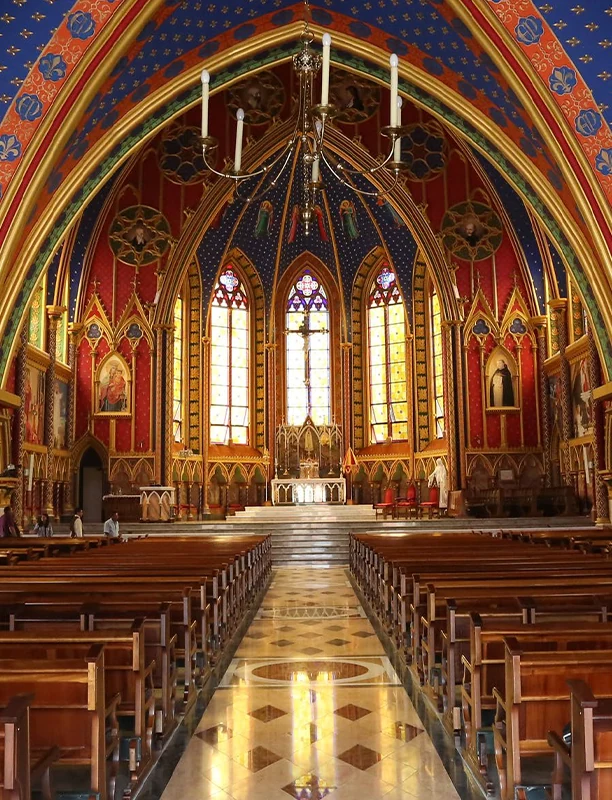 Who are the Heralds of the Gospel?
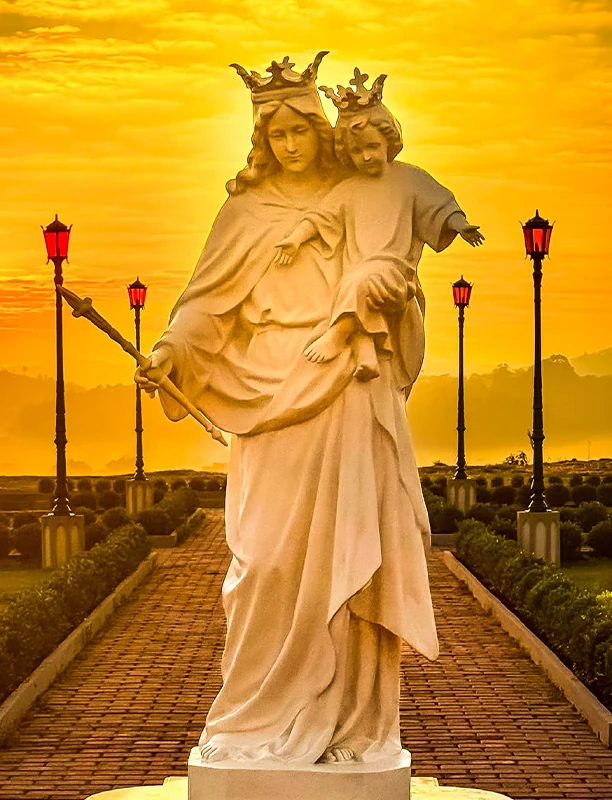 Help of Christians
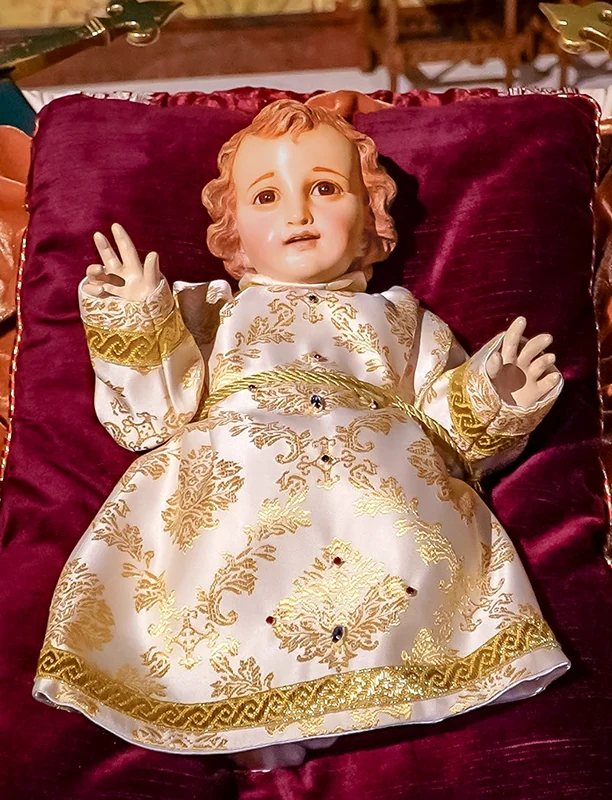 Christmas Carols







Docility to the voice of Grace and Sum of the Ages
It is inherent to the human condition, from the first glimmers of reason, to make continuous progress on the paths of good or evil. Some end their days as true monuments of selfishness, burdened with sins and unchecked evil inclinations accumulated over eighty or ninety years. Others, however, have a glorious ending, which gives beauty to a long past, in which even weaknesses seem to be taken up by light and purified by God's blessing.
In these, the small seed of divine grace, planted at the time of Baptism, germinated and developed until the tree reached its fullness. Innocence and virtue grew and became refined. That old man or this old woman, rising like Angels, are ready to enter the Heavenly Homeland.
Yes, far from abandoning the values acquired in the successive phases of existence, the faithful soul preserves, increases, and consolidates them over the years. Thus, at the end of life, it has added to the innocence of childhood, the hopes of adolescence, the vigor of youth, the gravity of middle age, the experience of old age, and the sublimity of senility.
This sum of the riches of each age is one of the striking features of the story of Dr. Plinio Corrêa de Oliveira.
Fidelity to a design
Dr. Plinio, as he was usually called by his disciples, was born in São Paulo, Brazil. His childhood and adolescence were spent in a serene family environment, immersed in the pleasant society of São Paulo of yesteryear. In his youth, he stood out as an undisputed Catholic leader, which led him to pursue a brilliant political career, through which he became known throughout the country. Later, he founded a movement to fight for the ideals of the Church, gathering numerous followers around him. To these he strove to transmit a solid doctrinal formation, as well as the spirit that animated him. He died at the age of eighty-six, after a terrible illness.
However, considering that every man has a specific mission to fulfill, Dr. Plinio's life deserves to be considered from the perspective of God's plan for him, in order to understand his person and his work.
In fact, in recent centuries, humanity has been corroded by a terrible crisis. This process of total disintegration has sought to eliminate the vestiges of Christian order, thus rebelling against the throne of the Almighty and aiming, in short, to establish the kingdom of Satan on the face of the earth. However, when evil seemed about to reach the height of its expansion and planned to raise the banner of victory, God raised up a man, a son of the Church, chosen by Our Lady to play a role that had not yet manifested itself in history.
Who, then, was Dr. Plinio?
He was a man who was born and raised in the light of the innocence of his mother, Mrs. Lucilia Corrêa de Oliveira. He was a man who shone for his moral integrity.
He was a man called to reflect in himself seemingly opposite yet harmonious virtues: on the one hand, extraordinary greatness and imposing majesty, which caused fear in the proud; on the other, a welcoming, penetrating, and benevolent kindness that attracted...
He was a man gifted with an unparalleled charisma of discernment of spirits, with an historical vision that encompassed not only the psychology of individuals, but penetrated the public opinion of peoples and nations.
He was a man who, like a tree sprouting among rocks, grew amid persecution, misunderstanding, and ingratitude.
He was a man of faith who, as a layman, defended the honor, holiness, and infallibility of the Church like no one else in his time.
He was a man who uniquely perceived the situation of humanity, discerned the evil that was spreading, and with the strength of his conviction challenged the consensus of his time, making the triumph of the Immaculate Heart of Mary, promised at Fatima, one of the main objectives of his apostolate and of his entire existence. With this intention, he offered his own life, if Providence so disposed, and was taken after a thousand sufferings which he faced with the courage of a knight and the resolve of a true martyr.
These diverse facets of such a comprehensive personality constitute a shining example, so different from the deceptive human standards presented by today's society, of what a true Catholic should be like.
And for those who wish to deepen their knowledge of him, we recommend reading the five-volume collection by Monsignor João Scognamiglio Clá Dias, EP, “The Gift of Wisdom in the Mind, Life, and Work of Plinio Corrêa de Oliveira.”