 Heralds of the Gospel Magazine, Vol. 20, nº 227, September 2026
 Heralds of the Gospel Magazine, Vol. 20, nº 226, August 2026
 Heralds of the Gospel Magazine, Vol. 20, nº 225, July 2026
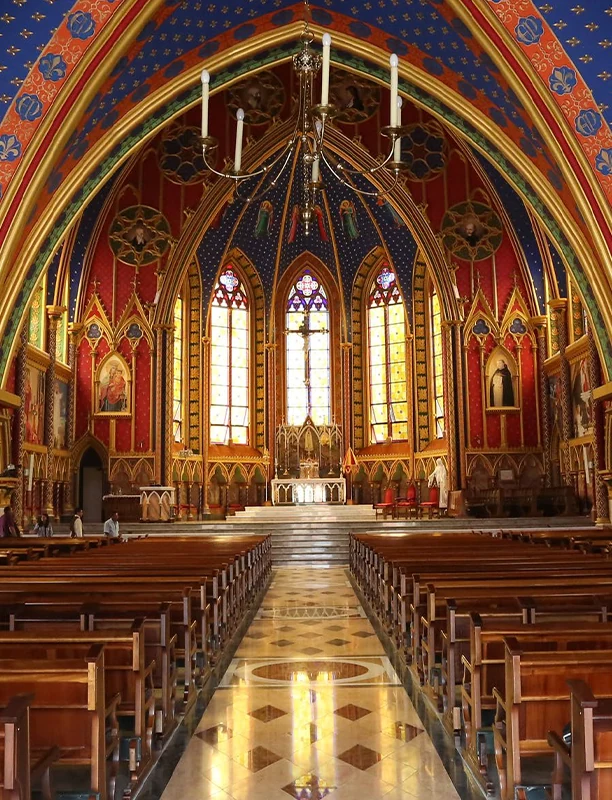 Who are the Heralds of the Gospel?
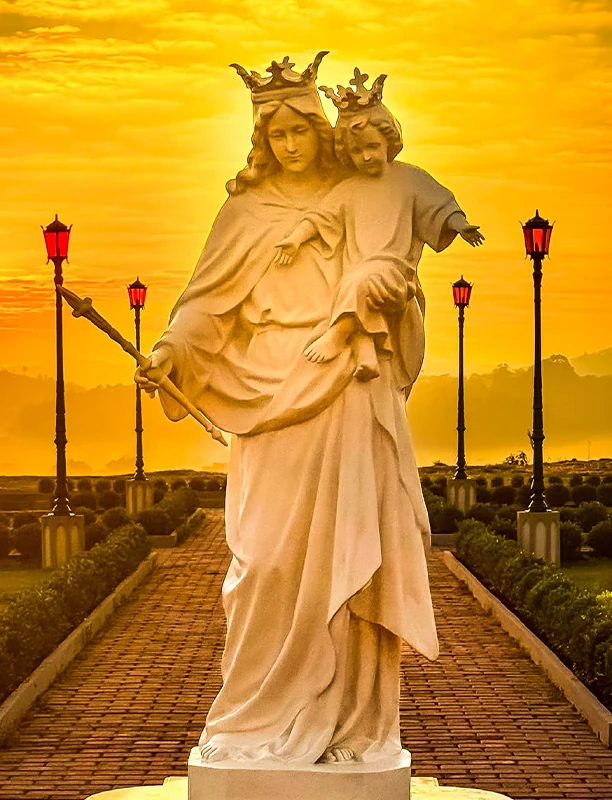 Help of Christians
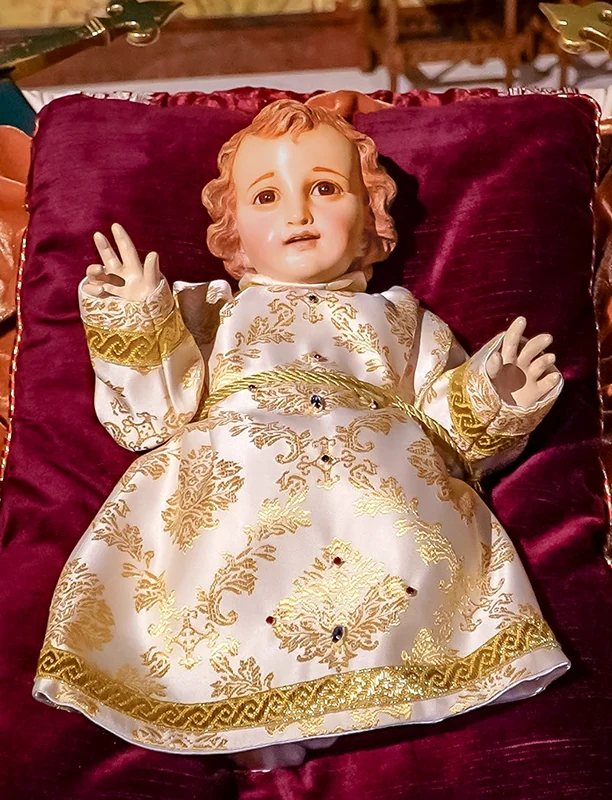 Christmas Carols







August 2 – 18th Sunday in Ordinary Time
(Is 55:1-3; Ps 144; Rom 8:35, 37-39; Mt 14:13-21)
Wishing to offer rest to the disciples, Our Lord sails across the Sea of Galilee, heading with them to a deserted place near the city of Bethsaida Julias.
But the crowd does not allow them to rest: departing from Capernaum and neighbouring towns, they travel a distance of approximately ten kilometres in a short time and arrive before them. When Jesus disembarks, He is surrounded.1
What does He do? “His heart was moved with pity for them,” and “He cured their sick” (Mt 14:14).
If we remember that there were “about five thousand men, not counting women and children” (Mt 14:21), we can imagine the excitement that was overflowing at those moments: the sick carried by family members, loud supplications, shouts of joy after the healings, emotion, tears, arms raised to Heaven…
However, evening was falling.
Amidst the intense activity, the Apostles must have reached the point of exhaustion, and perhaps that is why they said to Jesus: “This is a deserted place” – did they think He had not noticed? – “and it is already late” – did they imagine He had lost track of time? – “dismiss the crowds so that they can go to the villages and buy food for themselves” (Mt 14:15).
What must they have thought of the reply? Let us not forget that this was the first multiplication of the loaves.
No one could have imagined the solution that the Master would provide for the situation: “There is no need for them to go away; give them some food yourselves” (Mt 14:16). What a beautiful, noble, and loving attitude! Let us meditate on these words of the Saviour.
Since time immemorial, a certain social custom has been maintained, which governs the conduct of people when making or receiving a visit: hosts never encourage visitors to leave, as it is the guest who takes the initiative to depart.
Manners and politeness? Yes, but above all, the practice of charity.
The owner of the residence finds himself in a situation that reminds us of God, to whom all flock to be benefited, as the Psalm of this Sunday affirms: “The Lord is good to all and compassionate toward all His works. […] The eyes of all look hopefully to You, and You give them their food in due season” (Ps 144:9, 15).
When did this custom originate? It will probably never be known, but we can conjecture that it was there, in the desert of Bethsaida: the Divine Host did not wish to dismiss the visitors, but kept them close to Himself, preparing for them a new manifestation of His tenderness.
Christ Himself gave one of the first examples of Christian civilization.
From this passage of the Gospel we can, then, retain:
– A conviction: Our Lord will never dismiss us nor reject our requests.
The Sacred Heart throbs with compassion for us and will give us abundant help, in the manner of the multiplied bread, of which “twelve wicker baskets full” remained (Mt 14:20).
– A resolution: let us seek Jesus with all confidence! He awaits our visit, not only in sacramental Communion, but also in the monstrance or tabernacle, from where He will flood us with the outpouring of His mercy.
He awaits us in the confessional, to “heal those who are sick,” cleansing our souls of all the misery of sin.
With Him is the Blessed Virgin Mary, our heavenly hostess, through whose maternal hands the inexhaustible stream of grace and forgiveness will always flow out us.