 Heralds of the Gospel Magazine, Vol. 20, nº 227, September 2026
 Heralds of the Gospel Magazine, Vol. 20, nº 226, August 2026
 Heralds of the Gospel Magazine, Vol. 20, nº 225, July 2026
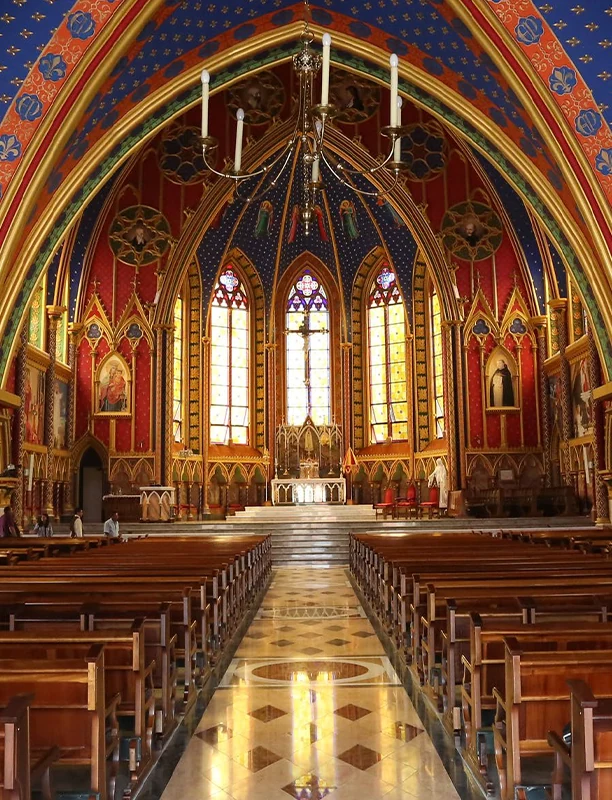 Who are the Heralds of the Gospel?
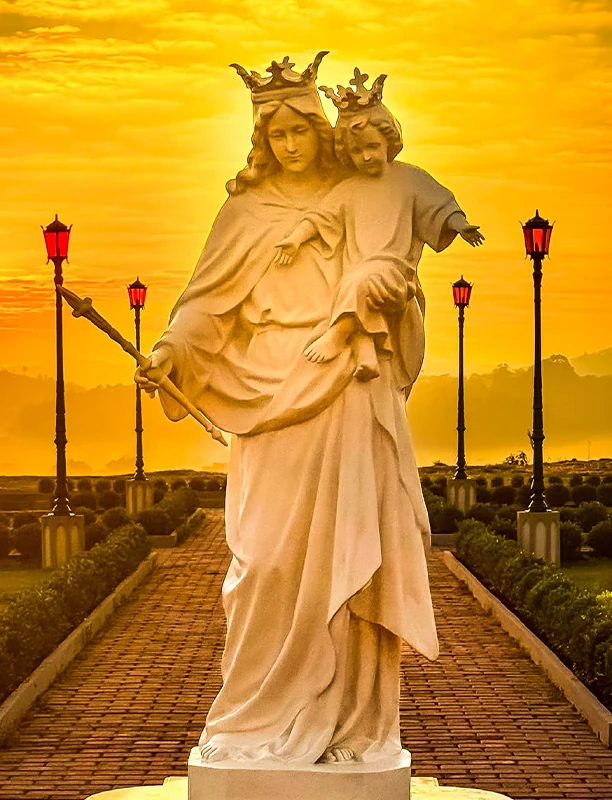 Help of Christians
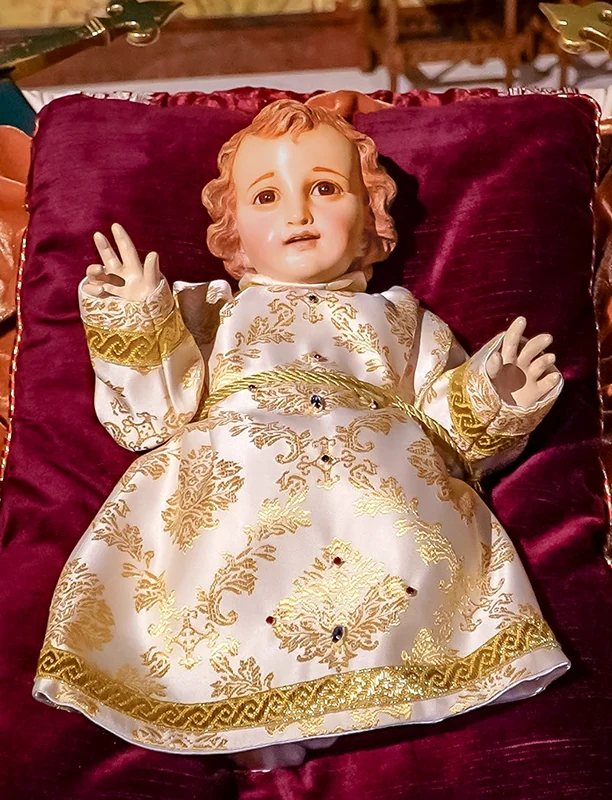 Christmas Carols





August 23 – 21st Sunday in Ordinary Time
(Is 22:19-23; Ps 137; Rom 11:33-36; Mt 16:13-20)
Moses, the incomparable prophet, tireless shepherd of Israel, infallible transmitter of divine Revelation and architect of the divinely instituted Hebrew liturgy, did not, however, possess the singular power entrusted to the Prince of the Apostles.
Nor did the Synagogue receive the promise of immortality granted to the Catholic Church.
The pontificate, conferred upon Peter, is endowed with such authority and so many gifts that perhaps they have not yet been fully manifested in all their ministerial power, even surpassing the miracles performed by Moses.
While Moses obtained from God, through prayer, what he needed, Peter acts as one who, so to speak, “imposes” his decisions on the Almighty, backed by the power of the keys granted to him.
This is an exclusive privilege and an immense responsibility for the Pope, a guarantee of the permanence of the Church and the validity of the Sacraments for the salvation of souls.
Indeed, St. Augustine1 emphasizes that the Prince of the Apostles was the only one worthy to hear the Redeemer’s words: “You are Peter, and on this rock I will build my Church.”
It is surprising that the power of the keys was given by God to Peter for the good of the Church, and not granted by the Church to Peter and his legitimate successors, as Cornelius a Lapide2 aptly comments.
Undoubtedly, the Holy Catholic Church needed and continues to need this promise of immortality, as evidenced by its bi-millennial and often turbulent history, marked by a succession of 266 Popes, including 83 Popes who were saints– 31 of them martyrs – but also, in contrast, another 35 antipopes.3
On one occasion, Dr. Plinio imagined the simple beginning of a new day for the great Pontiff St. Pius X as follows:
All of Rome sleeps. […] The Pope gets ready and goes to the chapel, where he will prepare for the august sacrifice of the Mass. As he walks towards the Lord, the concerns of the previous evening are reborn in his soul […].
Before entering the oratory, he stops and looks through one of the large windows of the Vatican. Ahead, the first glimmers of sunlight kiss the imposing dome of St. Peter’s Basilica.
In the empty square stands the famous obelisk that always reminds us of the Carthusian motto: “The cross stands, while the world turns.”
From the two large fountains flanking the obelisk rises the harmonious sound of water surging up and cascading into the basins.
The daylight begins to reflect more intensely on the dome. And the Pontiff muses: “The Holy Roman and Apostolic Catholic Church! The Papacy!” And his Guardian Angel whispers in his soul: “Tu es Petrus!” 4
Throughout twenty centuries, since the day Our Lord conferred the Papacy on the humble fisherman of Galilee, countless suns have risen over successive Pontiffs who govern the Church, witnessing the fall of countless empires and kings who swore to destroy it.
The gates of hell will not prevail against the Church, because they will not prevail against Peter.