 Heralds of the Gospel Magazine, Vol. 20, nº 226, August 2026
 Heralds of the Gospel Magazine, Vol. 20, nº 225, July 2026
 Heralds of the Gospel Magazine, Vol. 20, nº 224, June 2026
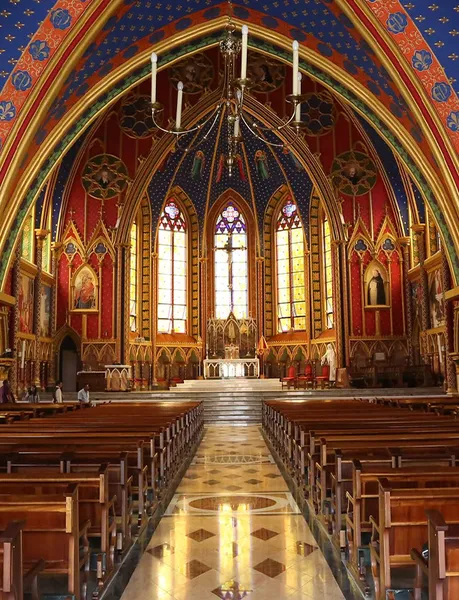 Who are the Heralds of the Gospel?
 Help of Christians
 Christmas Carols







July 5 – 14th Sunday in Ordinary Time
(Zec 9:9-10; Ps 144; Rom 8:9, 11-13; Mt 11:25-30)
The first reading for this Sunday sounds familiar to every Catholic ear, for it appears on the commemoration of the Saviour’s entry into Jerusalem on Palm Sunday: “See, your king shall come to you; a just saviour is he, meek, and riding on an ass” (Zec 9:9).
Few, however, know the continuation of Zechariah’s prophecy, as he sings of the greatness of the Messiah-King: “His dominion shall be from sea to sea, and from the river to the ends of the earth” (9:10).
How can the humility of a donkey be reconciled with the greatness of divine power? This is the core of today’s Liturgy.
Egalitarian neopaganism systematically preaches a double lie: it insults grandeur by labelling it as oppressive to the little ones, while it debases humility with a pusillanimous, foolish, and miserabilist caricature.
There was no lack of those who, inculcated with revolutionary prejudices, defamed the Old Testament as “harsh” and “rough,” contrasting it with the “sweetness” of a New Testament that was devoid of all grandeur – as if the God of Sinai were different from the God of Calvary…
The reality, however, reveals itself to be quite different. Grandeur and humility formed an admirable alliance in the God-Man. Jesus Christ is – as in everything! – the unsurpassed model of both virtues. The Lion of Judah is the Lamb of God.
We see Him newborn in the manger, in the stillness of the night broken only by the song of myriads of Angels from the celestial court and the lowing of animals.
We see Him crucified between thieves, shedding the last drops of His redeeming Blood while the sun darkens and the earth trembles; and, on the same Palm Sunday, mounted on a donkey amidst the acclamations of the multitude, as the King of kings who silences the objection of the Pharisees: “I tell you, if these were silent, the very stones would cry out” (Lk 19:40).
Jesus’ appeal echoes, sonorous and gentle, to the “weary” of all ages: “Come to Me […], and I will give you rest. […] learn from Me, for I am meek and humble of heart” (Mt 11:28-29).
The humble person resignedly acknowledges the truth about himself: he attributes his qualities to divine liberality and his defects to his sinful nature. He is not disheartened by the recognition of his miseries. Truthful and unassuming, he rejoices in the superiorities of others.
Meek in imitation of Christ, the true “little ones” (Mt 11:25b) burn with enthusiasm for the Creator. They ask nothing for themselves, but everything for God, as the psalmist exhorts today.
He will spurn those who “live according to the flesh” (Rom 8:13), but will be the protector of those who live according to the spirit, remaining defiant, without bowing down in fear or servility, before the “wise and the learned” (Mt 11:25a) of the earth.
He who bears the gentle yoke of humility quickly becomes magnanimous!
Yes, virtues are always sisters: genuine grandeur comes only from humility, and only those who seek magnanimity are humble – those who strive to “undertake great, splendid, and honourable works in every kind of virtue.”1
Let us pray to the Blessed Virgin that She may teach us to sing the Magnificat with her, glorifying the power of God both in scattering the proud and exalting the humble!