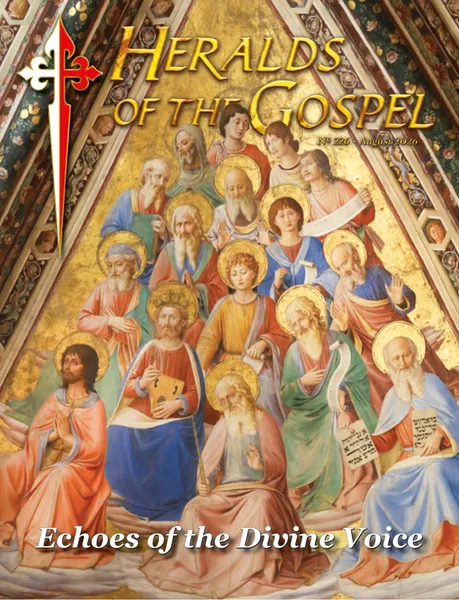
 Heralds of the Gospel Magazine, Vol. 20, nº 226, August 2026
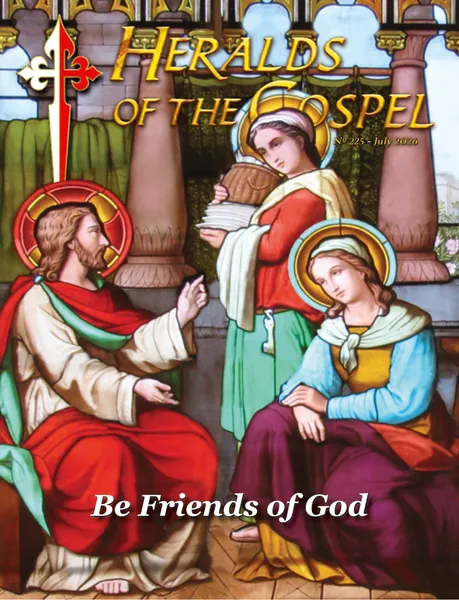 Heralds of the Gospel Magazine, Vol. 20, nº 225, July 2026
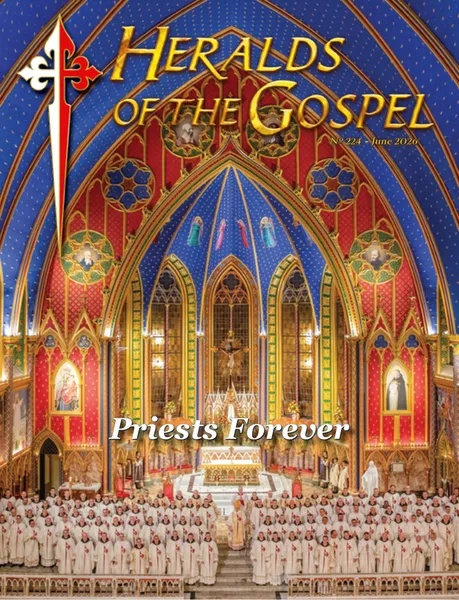 Heralds of the Gospel Magazine, Vol. 20, nº 224, June 2026
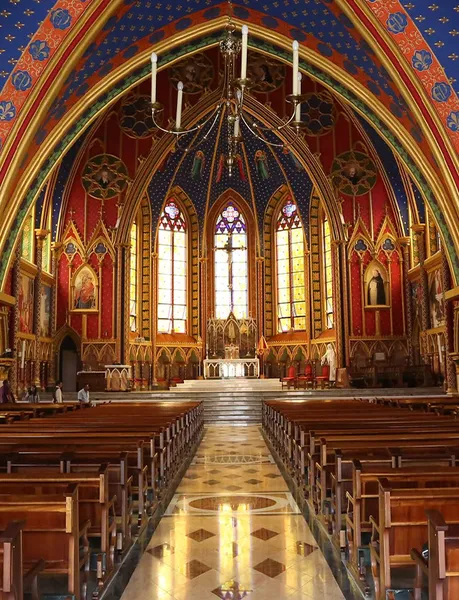 Who are the Heralds of the Gospel?
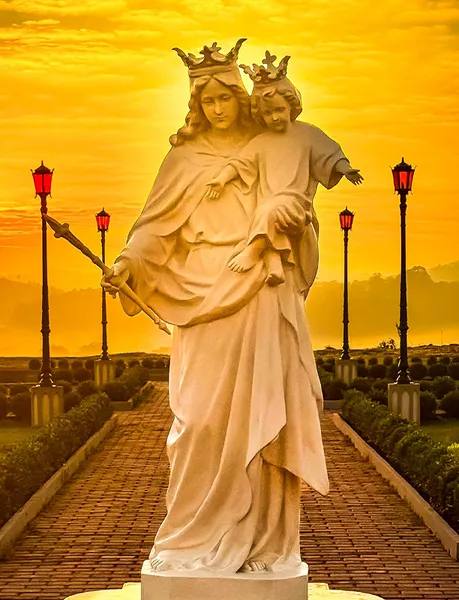 Help of Christians
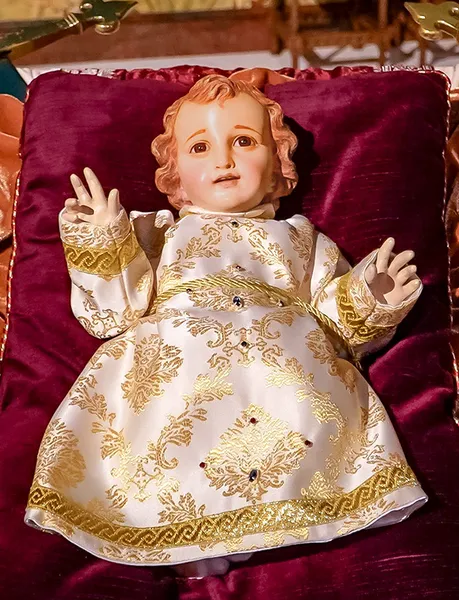 Christmas Carols








June 28, 2026 – 13th Sunday in Ordinary Time
Immortality: this is the dream of all mankind since the original fall… In fact, “sin came into the world through one man and death through sin” (Rom 5:12).
But how to restore life? Paradoxically, with death, as Our Lord warns in this Sunday’s Gospel: “Whoever finds his life will lose it, and whoever loses his life for my sake will find it” (Mt 10:39).
St. Paul is equally emphatic: “If, then, we have died with Christ, we believe that we shall also live with Him” (Rom 6:8). Here is the divine mystery: life is only gained when it is lost.
St. Thomas Aquinas, following Tradition, comments that such death consists in participation in the Death of Christ through Baptism.1
When this Sacrament is performed by immersion, the catechumen is submerged three times, to represent the triduum of the Redeemer’ death.
For this reason, the Catholic Church usually baptizes catechumens during the Easter Vigil, at the end of the days of Jesus’ burial.
The baptized person “dies” to live. As the Sacraments of the New Law accomplish what they signify, Baptism truly produces death to sin.
But death to sin also means new life in Christ through charity. Through grace, there is a restoration of Paradise, for the righteous are truly a “new creation” (2 Cor 5:17).
When we love, then we truly live, for the life of our soul is love.2
In the Gospel, Our Lord warns: “Whoever loves father or mother more than Me is not worthy of Me” (Mt 10:37). And He immediately adds: “whoever does not take up his cross and follow after Me is not worthy of Me” (Mt 10:38).
With these words, He makes it clear that, under the regime of grace, it is necessary to fulfil the First Commandment in an even more perfect way; it is about an unconditional love for God above all, even over our own lives and over those who live in our home.
Thus, Aquinas explains that our love for God also implies an implacable hatred of sin, because it is opposed to Him. For this reason,
we ought to love sinners, out of charity, in respect of their nature. On the other hand, their guilt is opposed to God, and is an obstacle to happiness.
Wherefore, in respect of their guilt whereby they are opposed to God, all sinners are to be hated, even one’s father or mother or kindred, according to Luke 12:26.
For it is our duty to hate, in the sinner, his being a sinner, and to love in him, his being a man capable of bliss; and this is to love him truly, out of charity, for God’s sake.3
Consequently, when our love is purified from sin, leading us to hate evil without reserve, our soul opens itself to true love which, guided by the Holy Spirit, allows us to love our neighbour as ourselves, thus causing the old man to die and the new man to be born (cf. Rom 6:6).
This love knows no death: it prevails until blessedness in heavenly Paradise. Through it we restore our immortality because, as the Apostle writes, “Love never ends” (1 Cor 13:8).