 Heralds of the Gospel Magazine, Vol. 20, nº 226, August 2026
 Heralds of the Gospel Magazine, Vol. 20, nº 225, July 2026
 Heralds of the Gospel Magazine, Vol. 20, nº 224, June 2026
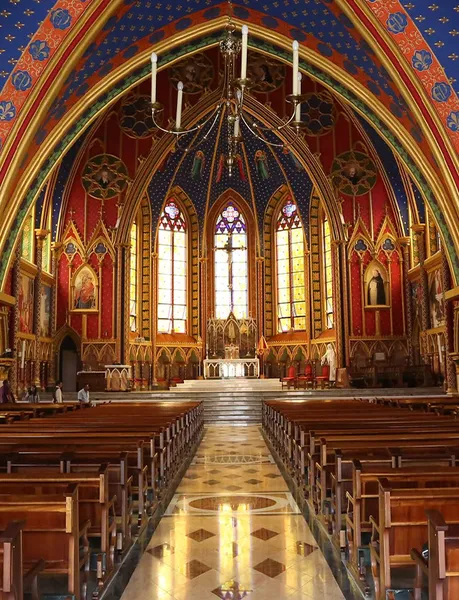 Who are the Heralds of the Gospel?
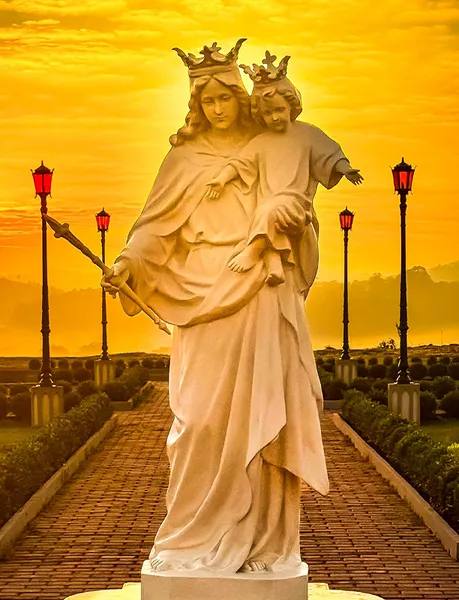 Help of Christians
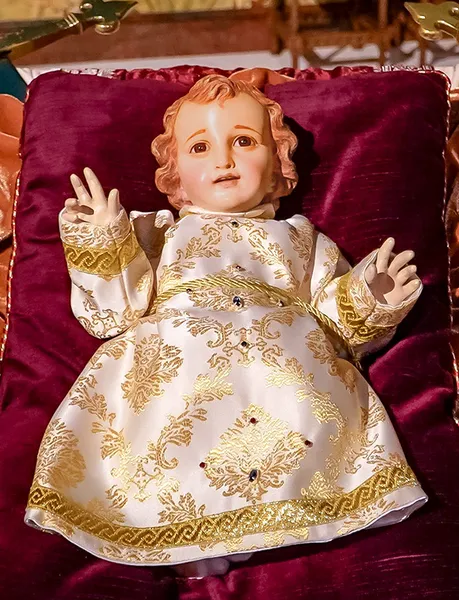 Christmas Carols







July 26 – 17th Sunday in Ordinary Time
(1 Kgs 3:5, 7-12; Ps 118; Rom 8:28-30; Mt 13:44-52)
The parables taught by Our Lord constitute an invitation to the Kingdom of Heaven – an expression used more than thirty times by St. Matthew.
In today’s Gospel, this Kingdom is compared to an accessible, splendid treasure, but one full of challenges: its conquest requires a transformation of mentality.
In the first parable, a certain man discovers a treasure hidden in a field. Finding it unexpectedly is a symbol of gratia gratis data – grace freely given.
It demonstrates that God wants to grant the best, abundantly, without any merit.
This abundant and valuable treasure refers to the richness of wisdom, the same that Solomon requested and was granted to govern the chosen people (cf. 1 Kgs 3:5-12).
In short, it symbolizes the Sacred Heart of Jesus, in which are contained “all the treasures of wisdom and knowledge” (Col 2:3).
The second parable expresses the striving of the merchant who seeks precious pearls. This treasure, considered particularly beautiful, should never be thrown to the swine (cf. Mt 7:6) – that is, it must be carefully protected.
Now, according to St. Thomas,1 beauty comprises three elements: integrity or perfection, proportion or harmony, and clarity.
These attributes are fully found in Christ, “the fairest of the sons of men” (Ps 44:3), whose radiance Mary, “all fair” (Sg 4:7), shares in.
Finally, the last parable, that of the net cast into the sea, introduces a distinct note: while the previous ones evoke the joy of finding the Kingdom, this last one underlines the inexorable judgement between the good and the bad fish: some are placed in the baskets; others, thrown away.
The righteous will be saved; as for the wicked, the Angels will “throw them into the fiery furnace” (Mt 13:50).
Therefore, we need to trust, for “all things work for good for those who love God, who are called according to His purpose […]. And those He predestined He also called; and those He called He also justified; and those He justified He also glorified” (Rom 8:28, 30).
The first Apostles were fishers of men who, casting the nets of true saving doctrine into a “sea” that was sometimes calm and sometimes turbulent, offered their contemporaries “all the words of this Life” (Acts 5:20), already here on earth, for “our commonwealth is in Heaven” (Phil 3:20).
God freely bestows upon us the grace to love Him and abundant encouragement to seek Him. He grants us strength to renounce bad habits and detach ourselves from evil inclinations.
This constitutes a true treasure which, kept in our heart, transforms our existence and, amidst the vicissitudes of this life, allows us to anticipate the Kingdom of Heaven.
The greatest treasure that Christ left us was His Mother.
Therefore, let us raise our hearts to her with a supplication: O Most Holy Mary, Queen of Heaven, perfect Disciple, who kept in your Heart all the wonders worked by your Divine Son, intercede for us and transform our hearts, so that we may already live on this earth the reality of the Kingdom of Heaven!