 Heralds of the Gospel Magazine, Vol. 20, nº 227, September 2026
 Heralds of the Gospel Magazine, Vol. 20, nº 226, August 2026
 Heralds of the Gospel Magazine, Vol. 20, nº 225, July 2026
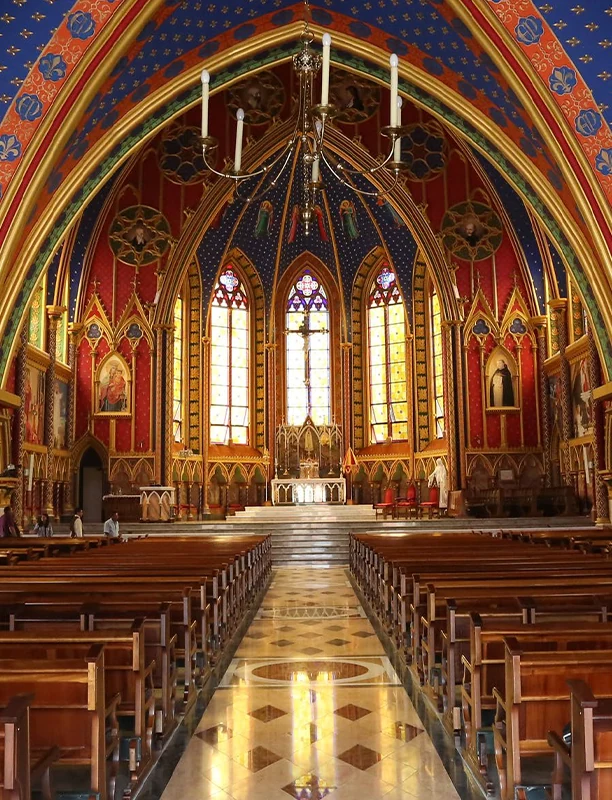 Who are the Heralds of the Gospel?
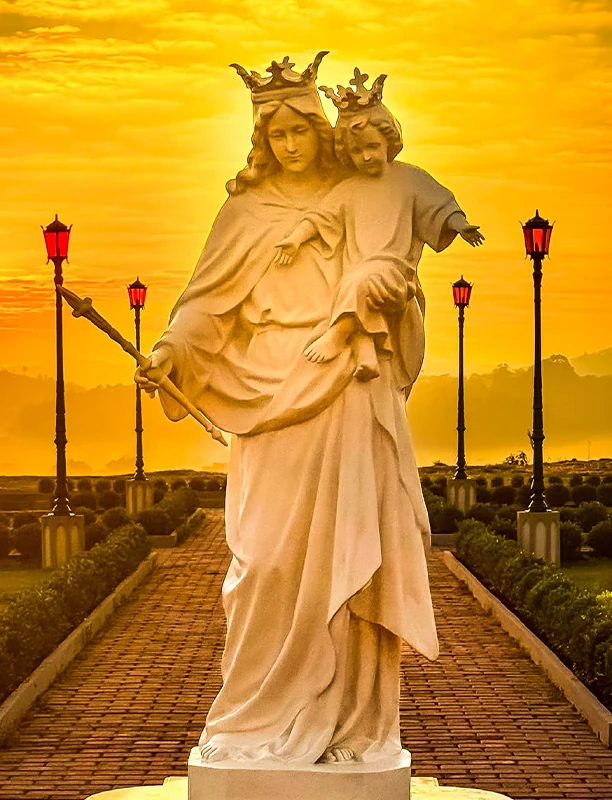 Help of Christians
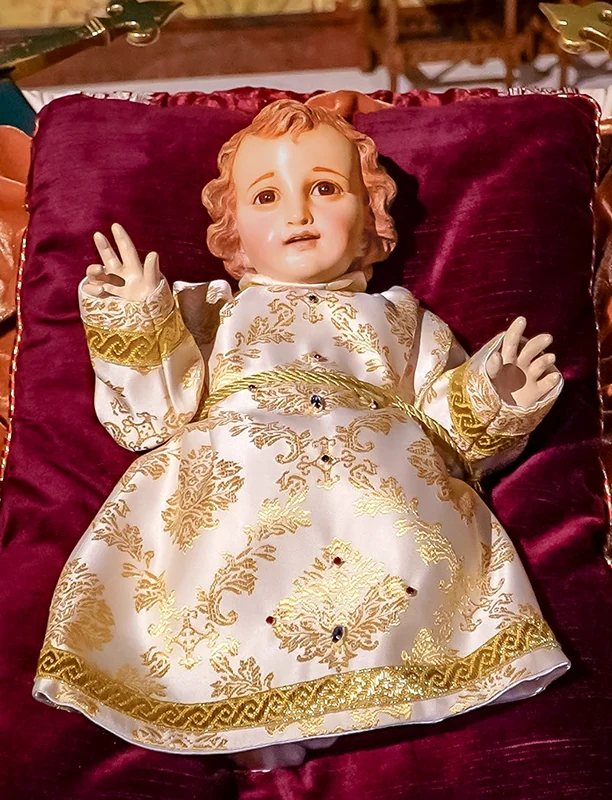 Christmas Carols








A man receives a name when he is born into the world by nature, when he is born into grace through Baptism, when he dies to the world through religious vows, and when he dies to himself by virtue of a vocation that confiscates him entirely.
Abram was renamed Abraham after God promised him countless descendants (cf. Gn 17:5). Jacob received the title of Israel after wrestling with the Angel of the Lord (cf. Gn 32:29). Simon was named Peter by Jesus Christ, who assigned him the mission of being the rock of the Church, investing him as head of the Apostolic College (cf. Mt 16:18). He was the first Pope, and the first Pope to change his name.
However, it would be five centuries before another Pontiff would receive a new name. On January 2, 533, the presbyter Mercury was elected Pope. The carcass of paganism, killed by the Cross, had not yet completely rotted away in the sixth century, and it was therefore extremely inopportune that the Vicar of Christ should be called by the same name as the ancient and false vicar of the Latin gods. Mercury, then, ascending to the papal throne, chose for himself the name John.
Thus began, in a surge of rupture and war with the world, the procession of Popes who would abandon their names to identify themselves with a mission that would consume them entirely.