 Heralds of the Gospel Magazine, Vol. 20, nº 227, September 2026
 Heralds of the Gospel Magazine, Vol. 20, nº 226, August 2026
 Heralds of the Gospel Magazine, Vol. 20, nº 225, July 2026
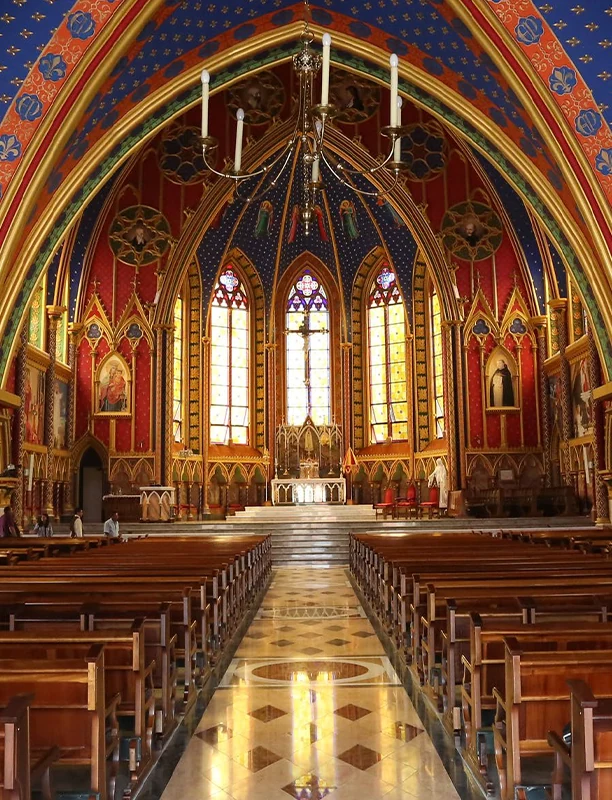 Who are the Heralds of the Gospel?
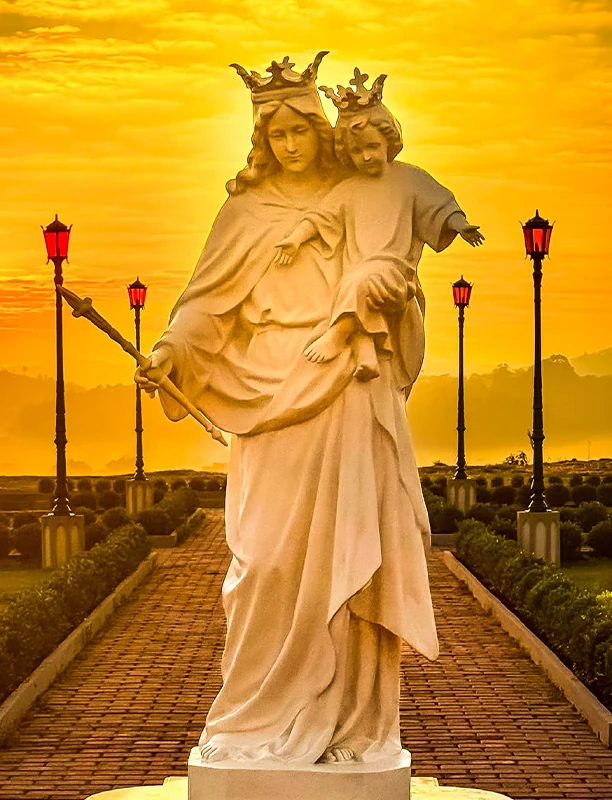 Help of Christians
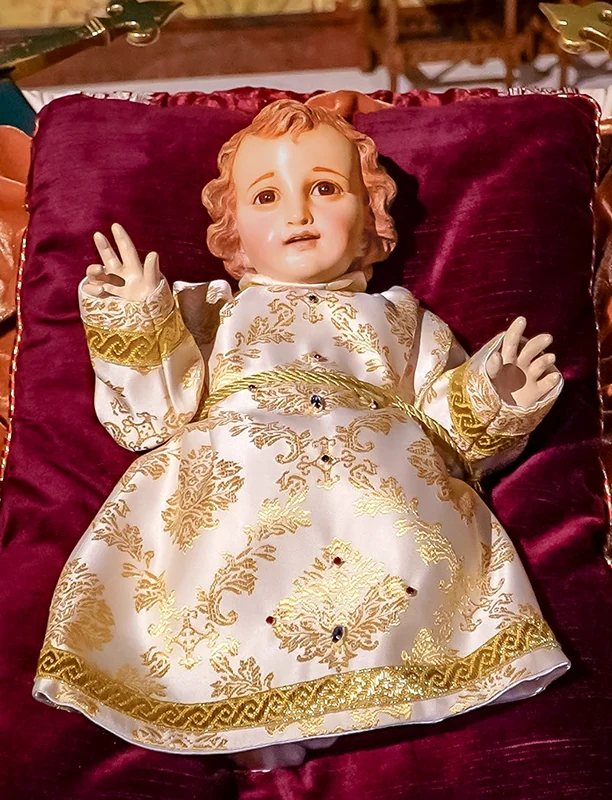 Christmas Carols









In the mid-11th century, St. Bernard of Menthon founded the Hospitaller Congregation of Great St. Bernard, made up of canons regular, with the aim of establishing a monastery and providing lodgings for pilgrims crossing the Alps via the perilous pass between Valais, in Switzerland, and the Aosta Valley, in Italy.
Between the 1660s and 1670s, the canons began to use Alpine mastiffs for guarding and companionship.
Over time, they realized that these dogs could detect people buried in the snow by their keen sense of smell and, when this happened, would return to the monastery to alert the monks.
Later, the rescue system became so well organized that, between 1790 and 1810, Napoleon and 250,000 soldiers crossed this same Alpine pass, now known as the St. Bernard Pass, without suffering a single casualty.
One of the dogs, Barry, is known to have rescued more than forty people in the early 19th century. It is recorded that, by the end of the same century, the dogs cared for by the monks had saved more than two thousand lives.
In the 1880s, to honour the founder of that pilgrims’ shelter, the breed’s name was standardized as Saint Bernard. Then, in 1923, Pius XI proclaimed the Saint of Menthon the patron saint of mountaineers.