 Heralds of the Gospel Magazine, Vol. 20, nº 227, September 2026
 Heralds of the Gospel Magazine, Vol. 20, nº 226, August 2026
 Heralds of the Gospel Magazine, Vol. 20, nº 225, July 2026
 Who are the Heralds of the Gospel?
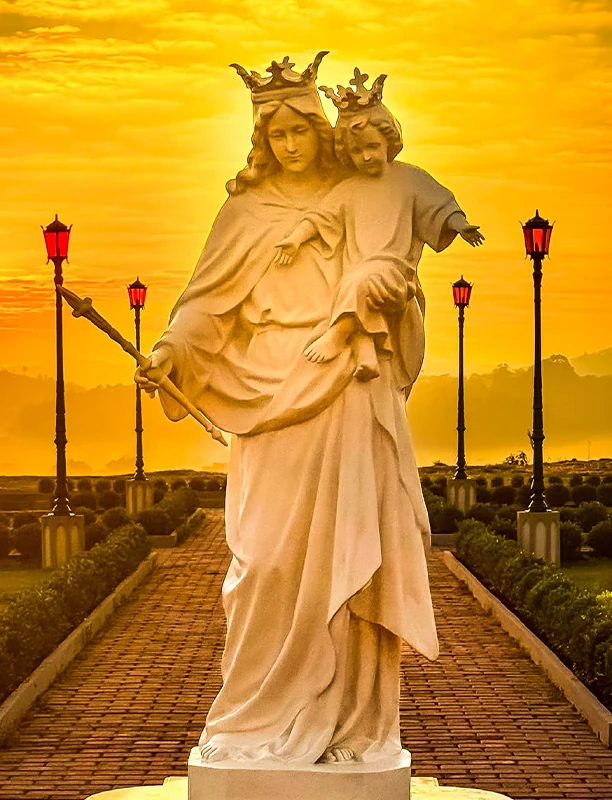 Help of Christians
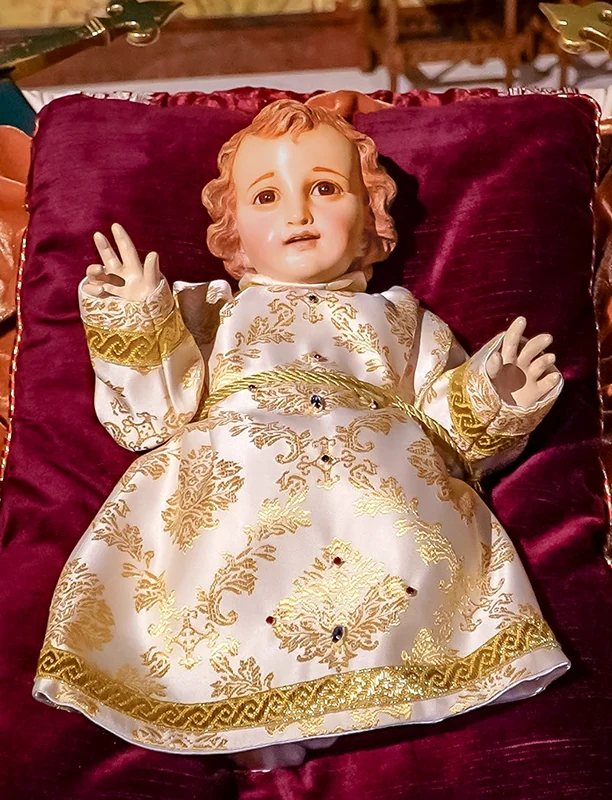 Christmas Carols








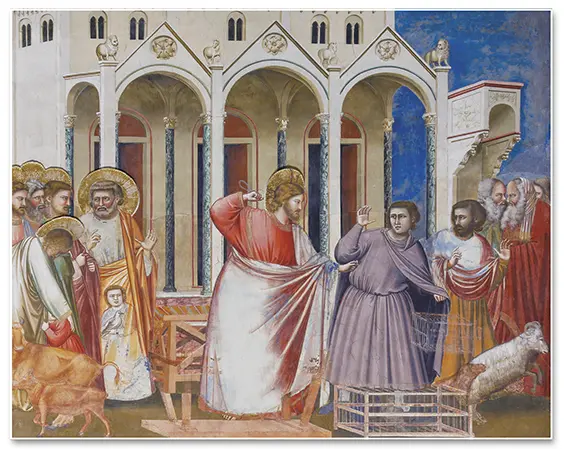 “Jesus expells the sellers from the Temple”, by Giotto di Bondone - Cappella degli Scrovegni, Padua (Italy)
* * *
St. Thomas1 teaches that the human passions, considered in themselves, are merely a capacity for dynamism and are therefore neutral. They become agents of good or evil when man directs them towards a good or evil end, just as the same tool can perform a beneficial service or be used to commit a crime. However, although the dynamism of passion is a motivational force for man, he must always remain the master of himself and of his actions. If he lets passion take over his conduct, he allows a reversal of roles: becoming the instrument of his own passions, which then dominate him and reduce him from ruler to the one ruled. In these circumstances, he may become so overpowered by anger that, unable to control himself, he ends up venting his passion on his surroundings, neighbours or family members, who have nothing to do with the cause of his rage. He will be unilaterally dominated by anger at that moment, and there will be no room for compassion. Someone who, on the contrary, allows himself to be dominated by the passion of affection could become so blinded by it that he is unable to discern the evil that those in whom he has naively placed his trust are plotting against him. One might consequently say that man is under the paradoxical obligation to deny any passion whatsoever – and consequently become an apathetic being – in order to avoid the risk of falling into imbalance. And no small number of people will call this state of apathy “equilibrium”… So what, then, should we prefer? How should we act? With passion or indifference?* * *
We have the answer when we look at our supreme Archetype. Indeed, we find nothing of this inner conflict in Our Lord Jesus Christ, in whom all is perfection and therefore harmony. He does not have to choose between passion and apathy: His passions are always balanced. How is this explained? Temperance is precisely the virtue called to “temper” – in other words, to moderate, to control – the dynamism of the passions. Just as a bridle holds back the impetus of a horse that is too fiery, temperance keeps the passions subdued to the will and intelligence, which is led by wisdom. It does not annul them, but keeps them on course, like the rudder on a ship, and never allows them to be anything but an instrument, used rationally. Thus, temperance prevents the passions from inverting the good order of things and dominating the man they are meant to serve.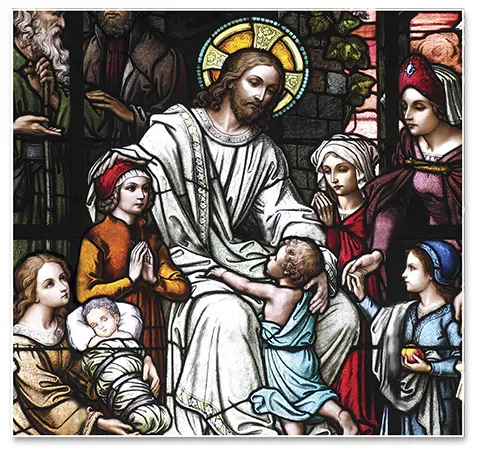 Our Lord welcomes the children - Church of St. John, Bad Rodach (Germany)
Notes
1 Cf. ST. THOMAS AQUINAS. Summa Theologiæ. I-II, q.22, a.3; q.24, a.1-3.