 Heralds of the Gospel Magazine, Vol. 20, nº 227, September 2026
 Heralds of the Gospel Magazine, Vol. 20, nº 226, August 2026
 Heralds of the Gospel Magazine, Vol. 20, nº 225, July 2026
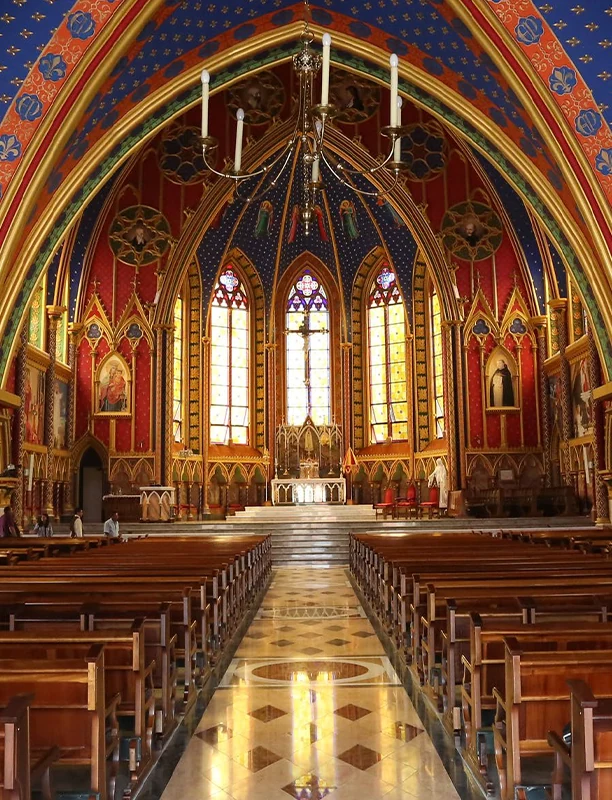 Who are the Heralds of the Gospel?
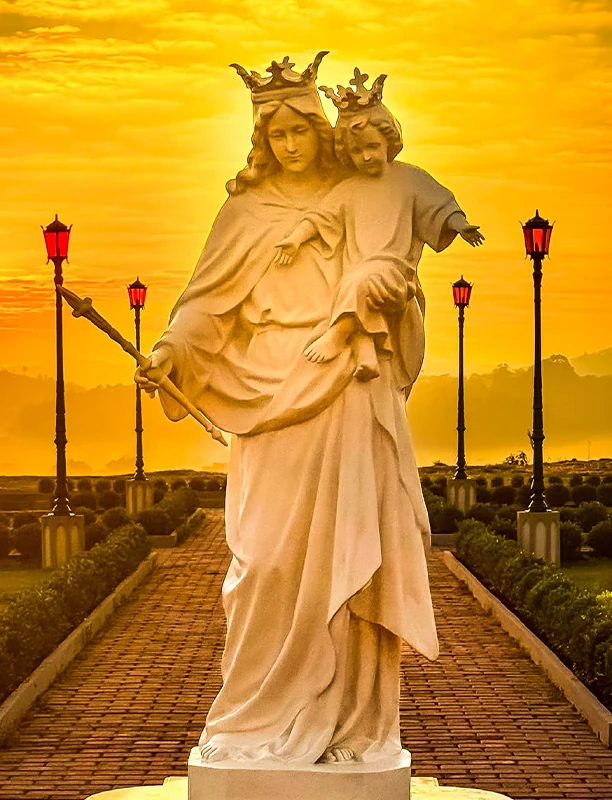 Help of Christians
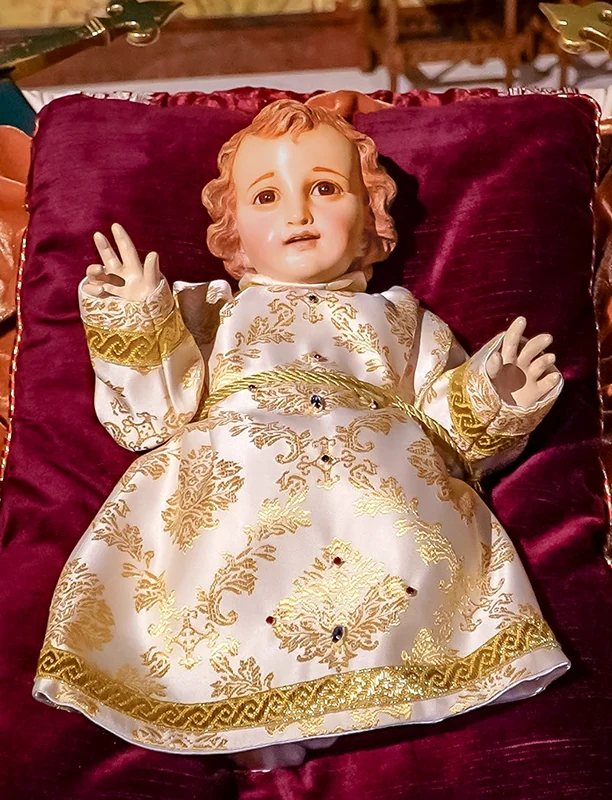 Christmas Carols






Christian tradition tells us that in Rossano, in the region of Calabria, Italy, in the 7th century a venerable monk, an ardent devotee of the Virgin Mary, asked and obtained permission from the emperor to convert the cave where he lived into a church dedicated to the Mother of God.
Once all the preparations for construction had been made, Governor Philippicus ordered skilled artists from Byzantium to paint an image of Our Lady at the back of the cave.
However, something unexpected happened: the workers noticed that the image painted during the day inexplicably disappeared at nightfall.
Annoyed, the governor appointed a guard to watch over the cave and see what was happening there. One night, he saw a noble Lady approaching, dressed in white, carrying a beautiful Child in her arms.
Enchanted, the sentry allowed them to enter the cave so that they could pray.
After some time, the soldier entered the sanctuary and was surprised to see the image of the Lady and the Child magnificently stamped in the place where the artists had previously worked.
The governor was notified, and everyone rushed to the cave and, filled with admiration, exclaimed: “Acheropita!”, from the Byzantine Greek αχειροποίητα, meaning “not painted by human hands”. And so the portrait was named: Our Lady of Acheropita.