 Heralds of the Gospel Magazine, Vol. 20, nº 227, September 2026
 Heralds of the Gospel Magazine, Vol. 20, nº 226, August 2026
 Heralds of the Gospel Magazine, Vol. 20, nº 225, July 2026
 Who are the Heralds of the Gospel?
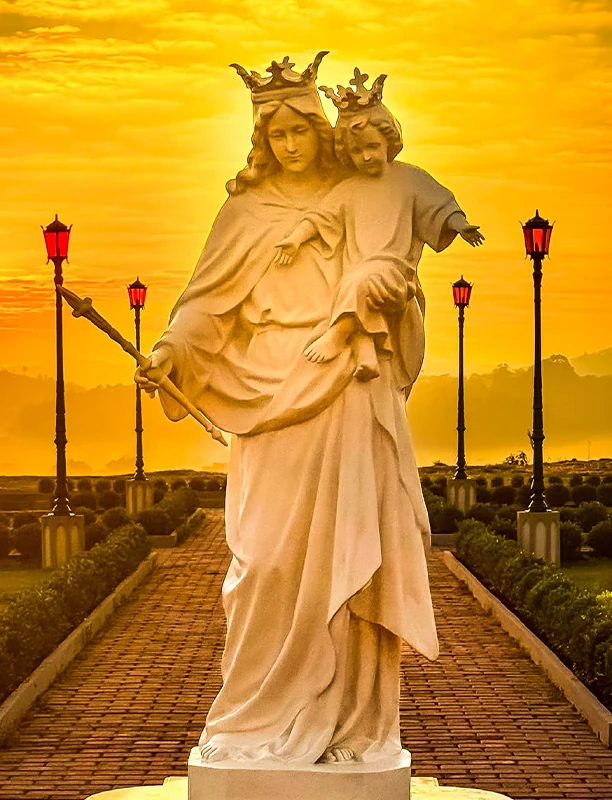 Help of Christians
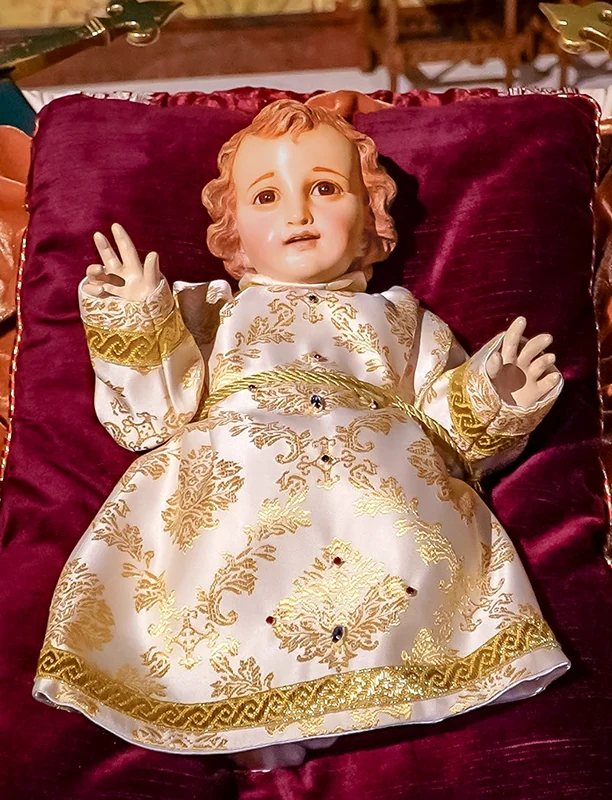 Christmas Carols






May 17 – Solemnity of the Ascension of the Lord
The French expression “Partir, c’est mourir un peu”1 resonates with particular intensity when we reflect on the meaning of farewells in different contexts of life.
Journeys, for example, are preceded by careful preparation that culminates in separation. On these occasions, the last words take on even greater weight, especially when the return date is unknown.
On today’s Solemnity we are invited to meditate on the departure of Our Lord. He is preparing for a “journey” without a return date: the Ascension. He will come a second time, it is true, but “of that day and hour no one knows” (Mt 24:36).
Among the central figures in this episode is Mary Most Holy, who had witnessed the unspeakable sufferings of Jesus in the Passion and now contemplates Him resurrected, about to receive His earthly glorification.
What must the farewell between Mother and Son have been like? What words must they have exchanged at a moment of such intimacy and, at the same time, of such magnitude?
The first reading describes the disciples gathered for their last repast with the Master (cf. Acts 1:4). He encourages them, promises to send the Holy Spirit, and entrusts them with the mission of being his witnesses “to the ends of the earth” (Acts 1:8).
He commands them to preach and baptize all nations, assuring them that He will be present among them until the end of time (cf. Mt 28:20).
After this solemn meal, Our Lord ascends to His heavenly abode. Then, two Angels reaffirm the hope of His return: “This Jesus who has been taken up from you into Heaven will return in the same way as you have seen Him going into Heaven” (Acts 1:11).
But how does He fulfil the promise of His perpetual presence? Through Mary Most Holy.
It can be said, therefore, that the preparation for Pentecost began through the action of Our Lady.
From the day of the Ascension, She assumed the mission of preparing the hearts of the disciples who, at that moment, were still part of two regrettable groups: those who doubted (cf. Mt 28:17) and those who insisted on the merely political restoration of the “kingdom in Israel” (Acts 1:6).
Thus, it is worth asking: what would the fruits of Pentecost have been without the mediation of Mary?
As the privileged channel of the Incarnation, She assumed the primary responsibility not only of preparing the disciples for the worthy reception of the Holy Spirit, but also of preparing them for the great task of evangelization.
The Mother of the Church knew well how to sanctify the Apostles for the mission that awaited them. From then on, in addition to the direct action of Our Lord and the Holy Spirit, the history of salvation began to be written through the intercession of God’s Mother and ours.
Faced with this mystery, it is a good moment to reflect: do I place my spiritual progress in Our Lady’s hands, trusting in her intercession and wisdom, or do I try to build my own sanctification based on purely human criteria, as the Apostles themselves so often did before Pentecost?
May the experience of the Ascension and Pentecost inspire us to trust more fully in the Spouse of the Holy Spirit, so that She may sustain us until the final encounter with Christ in the Kingdom of Heaven.