 Heralds of the Gospel Magazine, Vol. 20, nº 227, September 2026
 Heralds of the Gospel Magazine, Vol. 20, nº 226, August 2026
 Heralds of the Gospel Magazine, Vol. 20, nº 225, July 2026
 Who are the Heralds of the Gospel?
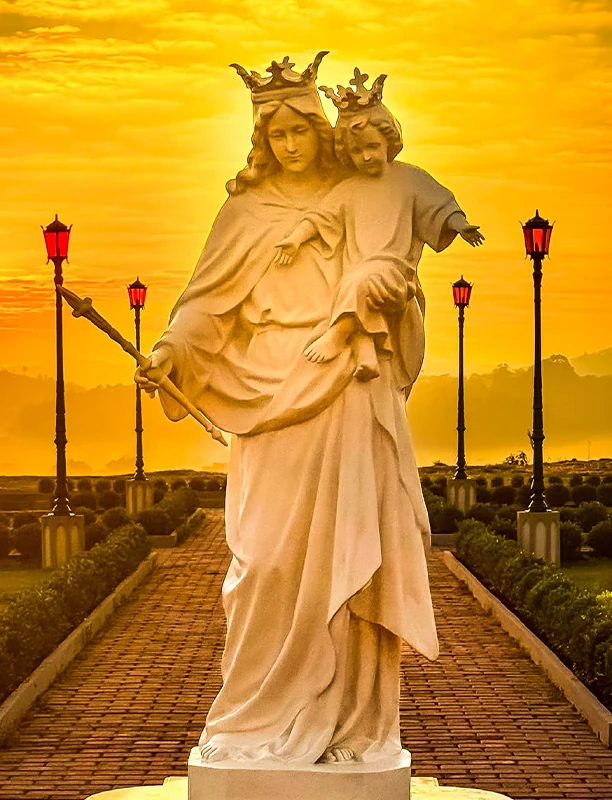 Help of Christians
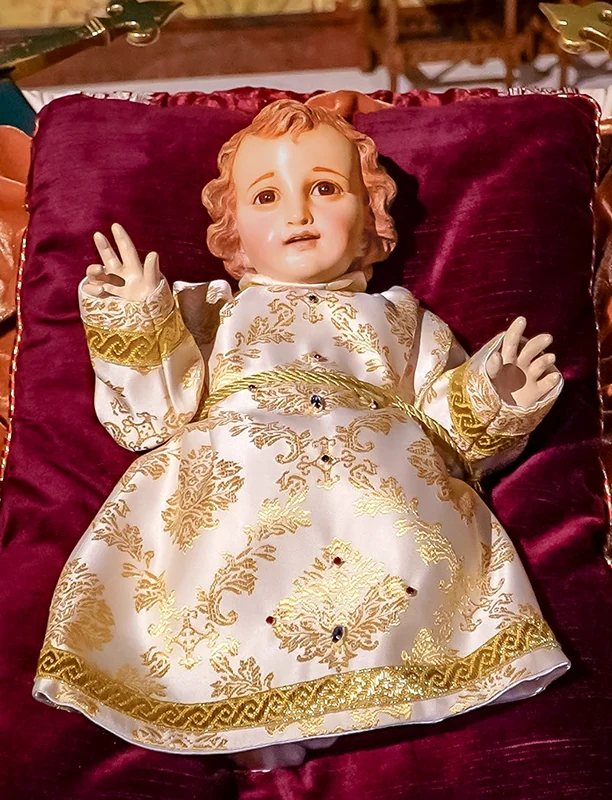 Christmas Carols






“If Thou, O Lord, shouldst mark iniquities, Lord, who could stand?” (Ps 130:3). Dear Javier, who among us – parents, superiors, teachers, etc. – would dare to presume our own holiness before the people for whom we are responsible? Undoubtedly, no one!
However, the fact that we realize we have not yet reached perfection does not exempt us from, following the Gospel, giving good things to our children (cf. Lk 11:13a).
Nor should it lead us to discouragement; on the contrary, we must always maintain confidence: “the heavenly Father [will] give the Holy Spirit to those who ask Him” (Lk 11:13b).
In this promise of Our Lord lies all our hope for the sanctification of our children.
For if it is true that the Divine Paraclete will be given to whoever asks for Him, and if we believe, as the Catechism of the Catholic Church teaches, that “the [Holy] Spirit is the source and giver of all holiness”,[1] we must also be convinced that, through our prayers, graces will come in abundance to parents and their children.
Thus, the first and most important obligation of parents consists in prayer, especially for the sanctification of their children, entrusting them particularly to the care of Mary, the Mother of mothers.
Example is another important element in the formation of young people: “‘The role of parents in education is of such importance that it is almost impossible to provide an adequate substitute.’ The right and the duty of parents to educate their children are primordial and inalienable”.[2]
Well, for the example to be possible, the basic condition is presence…
Many circumstances – such as work to support the family – may require temporary absences of the father or mother, but they should never forget that they have a unique role in the formation of their children.
How sad it is to observe children trying unsuccessfully to communicate with their parents, while the latter are alienated from reality because of their cell phones!
St. Therese of Lisieux commented about her father: “It was enough to look at him to know how the saints pray”.[3]
Now, parents who exclude daily prayer to indulge in the frenzy of cybernetics, a habit so frequent in our days, cannot be adequate models for their children.
Another necessary means for the education of children is correction, unfortunately considered “outdated” nowadays, but about which the Scriptures insist greatly (cf. Prv 13:24; 23:13; 29:15).
It should be emphasized, however, that corrections must be applied with wisdom, balance, and kindness, “lest they [your children] become discouraged” (Col 3:21).
Therefore, the incomparable educator St. John Bosco teaches in a letter:
How many times, my little children, in my long life, have I had to convince myself of this great truth! It is easier to get angry than to have patience, to threaten a child than to persuade him.
I would even say that it is more convenient, for our impatience and our pride, to punish those who resist than to correct them, bearing with them firmly and gently. […]
No agitation of spirit, no contempt in the look, no insults on the lips […]. Then you will be true parents and you will achieve true correction.[4]
It should be added that in the family, in the reciprocal sacrifice for one another, exercised through patience, a beautiful process of sanctification takes place.
As the Catechism teaches,
Children in turn contribute to the growth in holiness of their parents.
Each and everyone should be generous and tireless in forgiving one another for offenses, quarrels, injustices, and neglect. Mutual affection suggests this. The charity of Christ demands it.
In this way, without ever giving up and with total confidence in the Blessed Virgin and St. Joseph, incomparable models for families, parents and children can walk together towards the much-desired holiness!