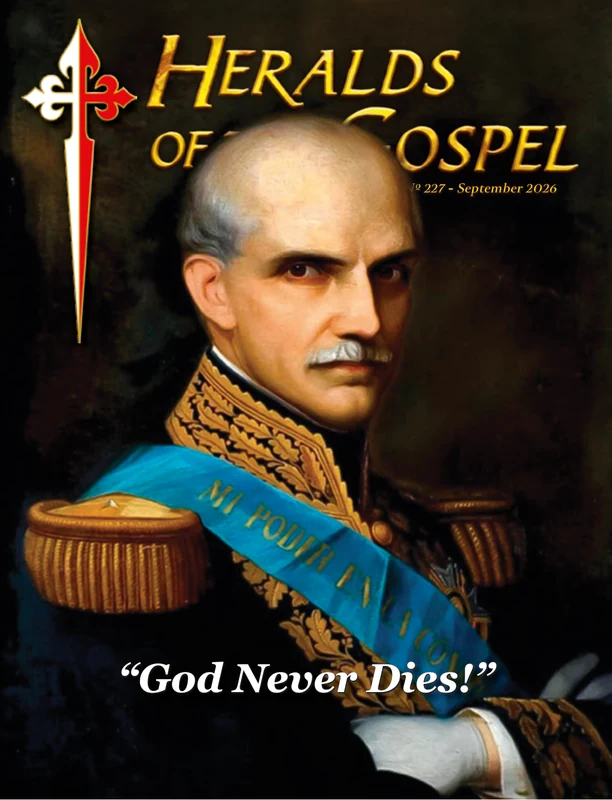
 Heralds of the Gospel Magazine, Vol. 20, nº 227, September 2026
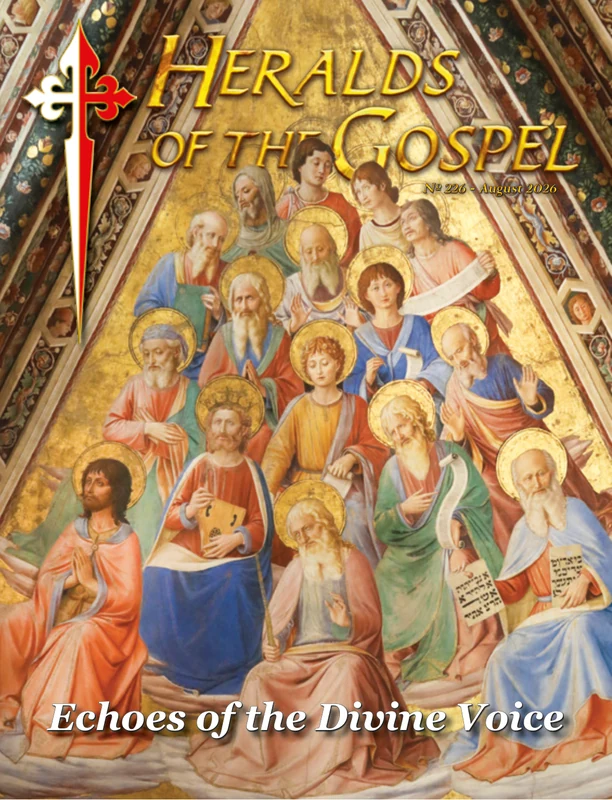 Heralds of the Gospel Magazine, Vol. 20, nº 226, August 2026
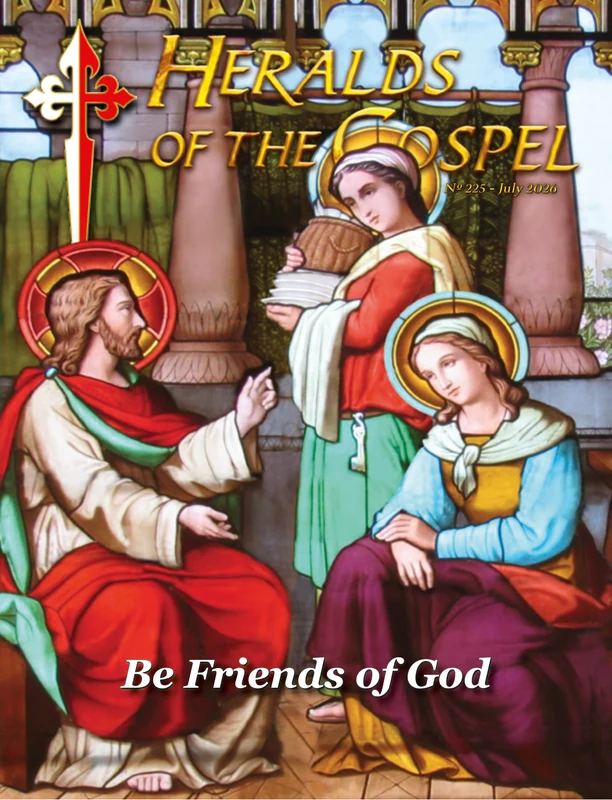 Heralds of the Gospel Magazine, Vol. 20, nº 225, July 2026
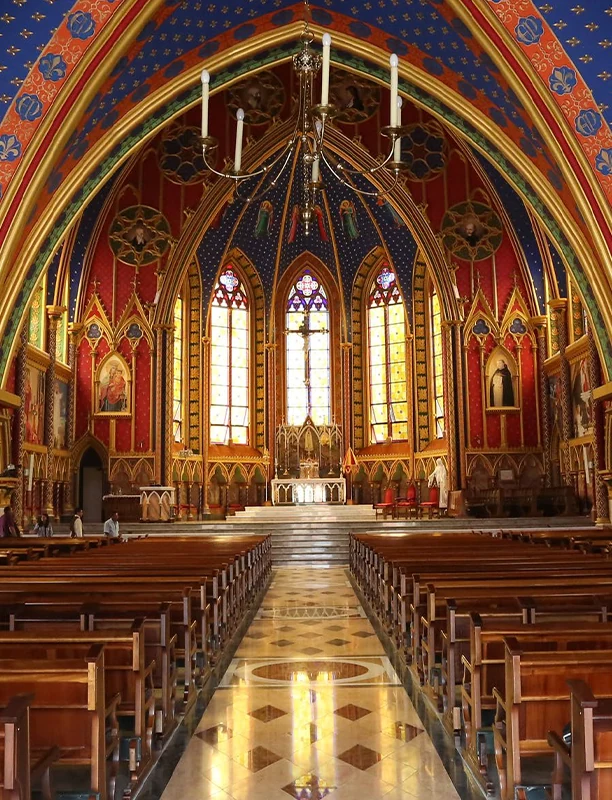 Who are the Heralds of the Gospel?
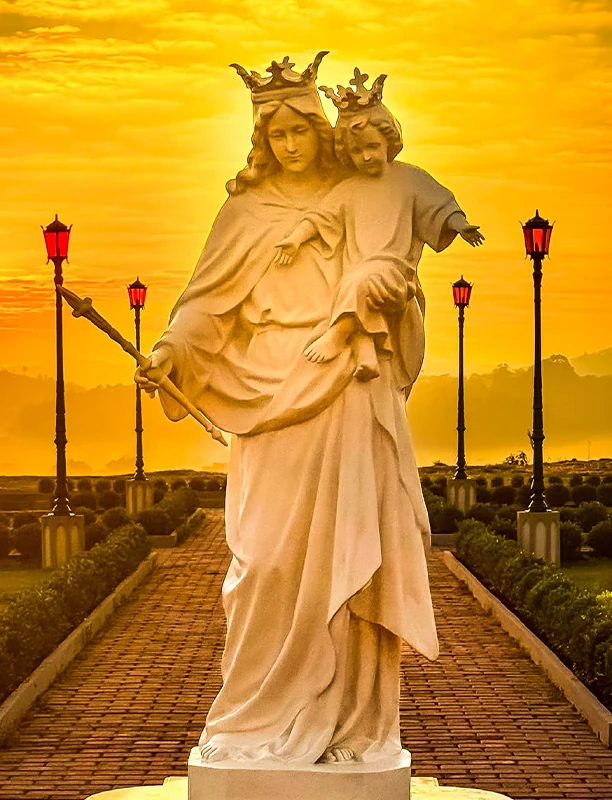 Help of Christians
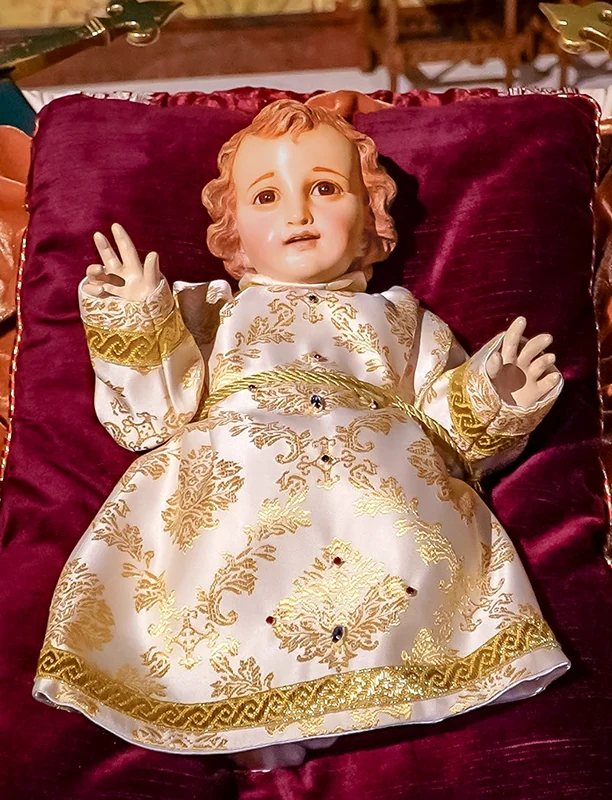 Christmas Carols
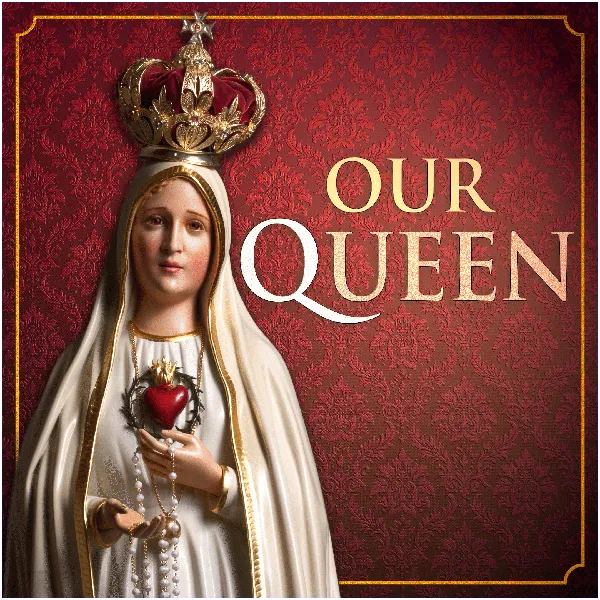






The consecration of Saturday to Mary is a tradition that dates back to the Carolingian era, when Charlemagne’s learned advisor, Alcuin of York († 804), proposed two votive Masses in honour of the Blessed Virgin to be celebrated on that day.
From the 11th century to the present day, the custom of dedicating Saturday to Our Lady has gained the consensus of the clergy and the enthusiasm of the faithful. And no wonder.
Genesis tells us that God “blessed the seventh day and hallowed it” (2:3); and what creature was, like Mary, so blessed by the Lord? The Creator rested on the Sabbath; and where did Jesus rest for nine months, if not in the womb of the Virgin Mother?
In that most pure womb, Eternal Wisdom chose to dwell, according to the words of Scripture, which the Church puts on Mary’s lips: “He that made me, rested in my tabernacle” (Eclo 24:12).
Thus constituted as the way by which God came to us, the Queen of the Universe became, under yet another title, the Lady of the Sabbath: just as the Sabbath leads to Sunday, so too is She the sure way that leads us to Christ.
Above and beyond these reasons is the fact that on the Sabbath after the Passion, the Blessed Virgin alone kept intact her faith in the Resurrection of her Divine Son.
The Mother of Jesus was the only one who, on that night of darkness and unbelief, fully represented the Church, ensuring that it would be marked by a Marian aspect from its very inception.