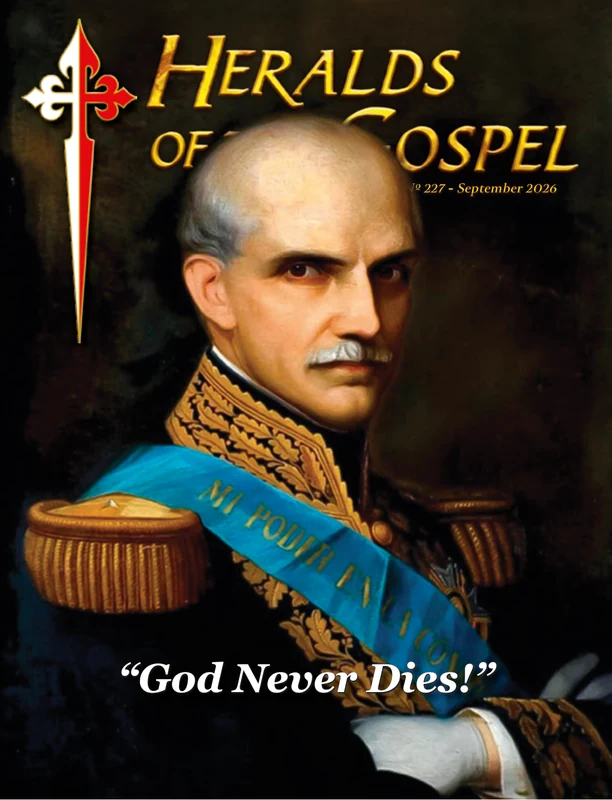
 Heralds of the Gospel Magazine, Vol. 20, nº 227, September 2026
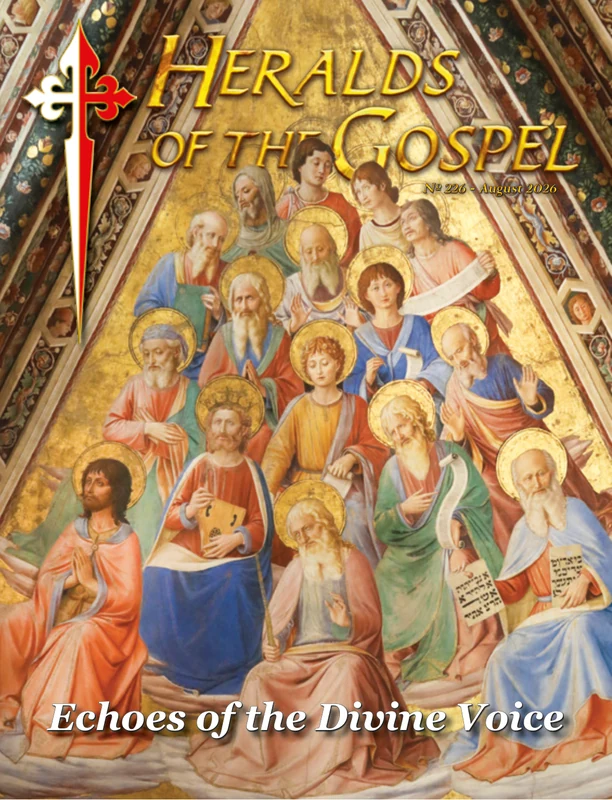 Heralds of the Gospel Magazine, Vol. 20, nº 226, August 2026
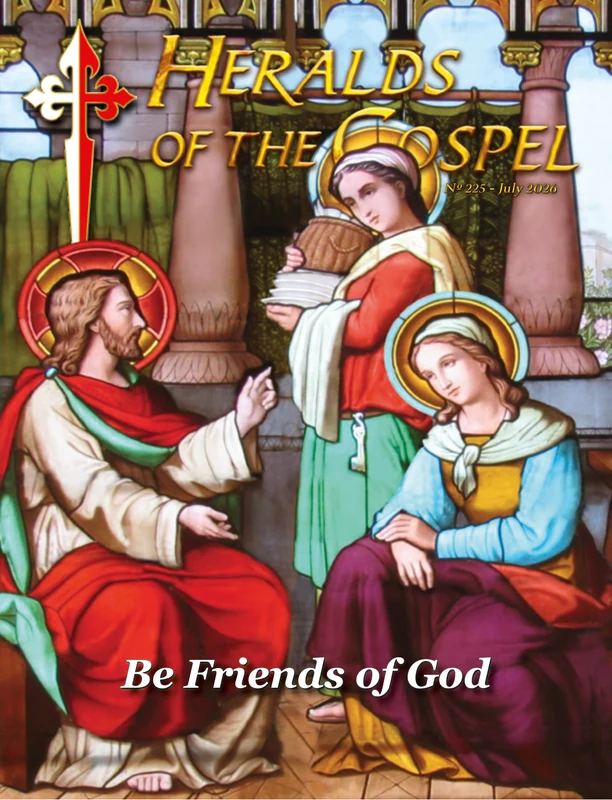 Heralds of the Gospel Magazine, Vol. 20, nº 225, July 2026
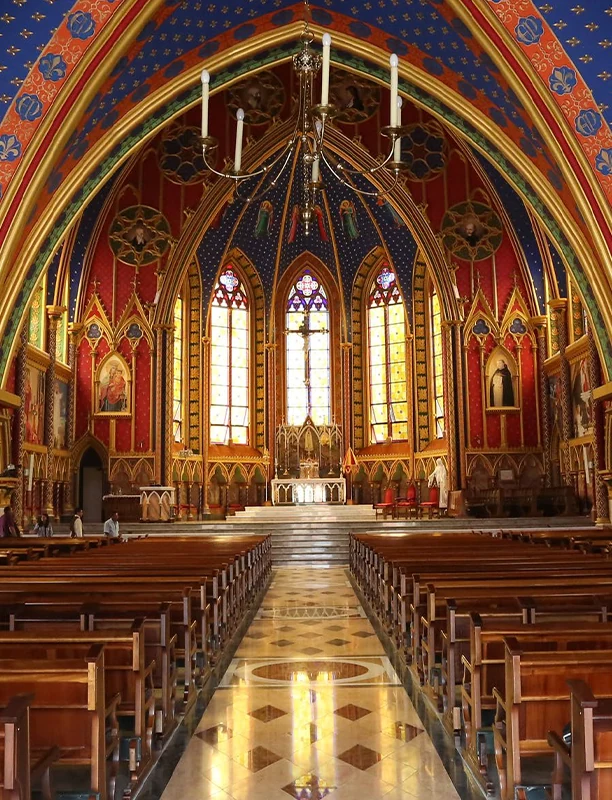 Who are the Heralds of the Gospel?
 Help of Christians
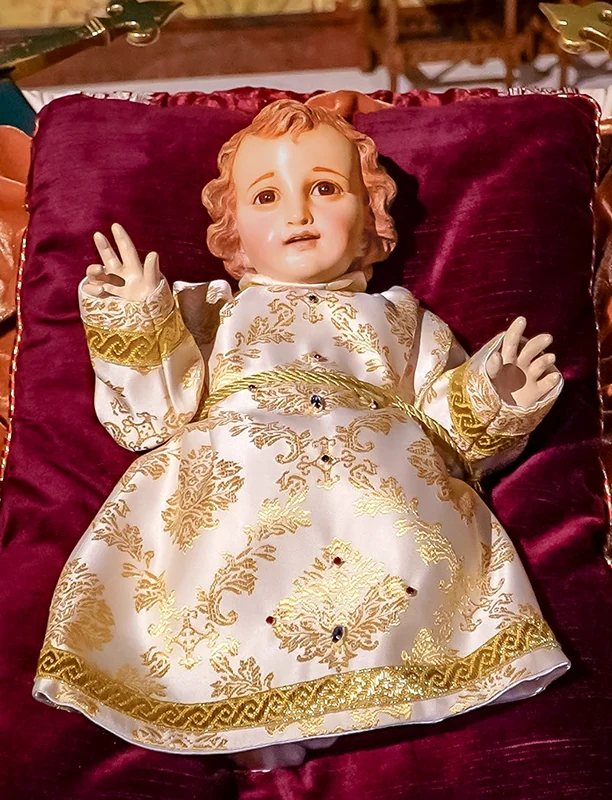 Christmas Carols

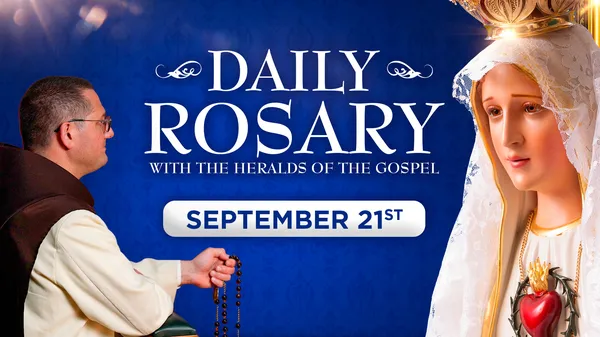






April 26 – 4th Sunday of Easter
It is moving to analyse how Our Lord Jesus Christ used everyday imagery to teach a predominantly agricultural and pastoral people.
In this sense, the words gathered from this Sunday’s Gospel must have touched certain fibres of the soul of those people in a special way.
The sheepfolds, protected by stone or wood enclosures, had at that time a single gate, which was guarded by a watchman while the shepherds rested.
The watchman only opened this entrance for the legitimate shepherds, who called their respective sheep. These, recognizing the voice of their guide, separated themselves from the others and followed him along the way.
This reality well represents the way Our Lord acts. As the “gate for the sheep” (Jn 10:7), He is the model to be followed by all – for we were created in His image and likeness – as well as the One who, through Redemption, opens the way to salvation for us.
“The sheep hear his voice” (Jn 10:3), which constantly invites us to abandon the ways of sin and embark on the path of virtue.
Now, Christ calls all the sheep, but only those who consider Him as their Shepherd follow Him. There is, therefore, a separation between those who have learned to recognize the timbre of His voice and those who pursue other paths.
Regardless of historical circumstances, in each generation the Good Shepherd calls, through the voice of His ministers, new sheep, who will discern the unmistakable timbre of truth.
Let us not be deceived: through the gift of faith received in Baptism, the faithful have a supernatural sense – which Theology calls sensus fidei – to recognize which is the voice to be followed.
Now, to be saved it is not enough to hear the voice; it is necessary to follow the shepherd. And the reading of the Acts of the Apostles shows us how. The first Pope is preaching for the first time after Pentecost, when the drama of the Passion was still alive throughout Jerusalem.
He, however, proclaims the truths as they are, without the slightest fear, producing an immense shock, with immediate fruit: “What are we to do?” (Acts 2:37), the crowds ask.
They listened to the shepherd’s voice and their conversion was proven by the change in their way of acting and behaving! St. Peter makes the need for this change clear: “Repent and be baptized, every one of you” (Acts 2:38).
This is the result of using the door of truth and not seeking to jump over the wall, in dissimulation, like the thief: on that day three thousand Baptisms were performed.
And can I truly affirm with the psalmist that “the Lord is my shepherd” (Ps 22:1)? When He calls me, do I recognize His voice? Am I attentive to His words? Or do I keep postponing my conversion, pretending not to hear Him and nurturing the hope that He will no longer demand anything from me?
If I am in this situation, I must not despair: until our last breath, Our Lord always returns to call each one of us, and He is returning to me in this Liturgy.
Furthermore, He has entrusted us with a merciful Mother, the door through which the Good Shepherd entered our lives, and the voice that so often invites the world to conversion. Let us, therefore, allow ourselves to be guided by her!