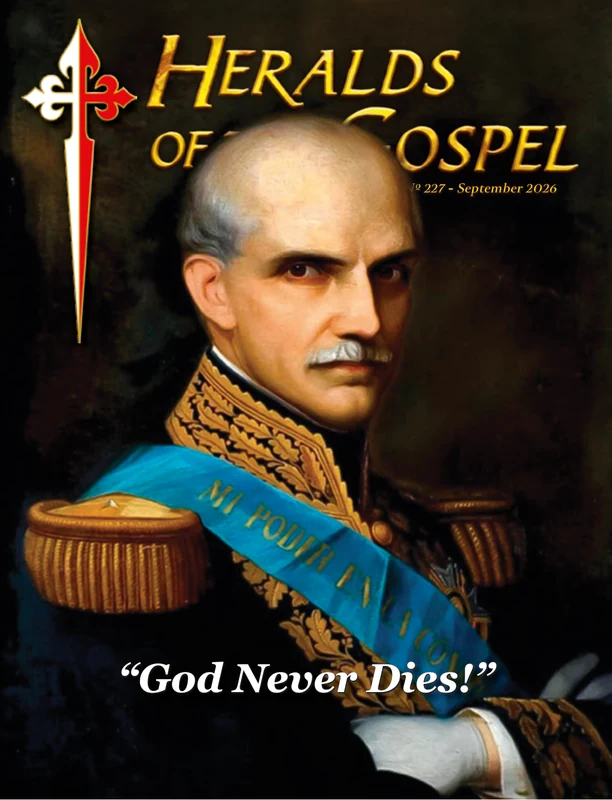
 Heralds of the Gospel Magazine, Vol. 20, nº 227, September 2026
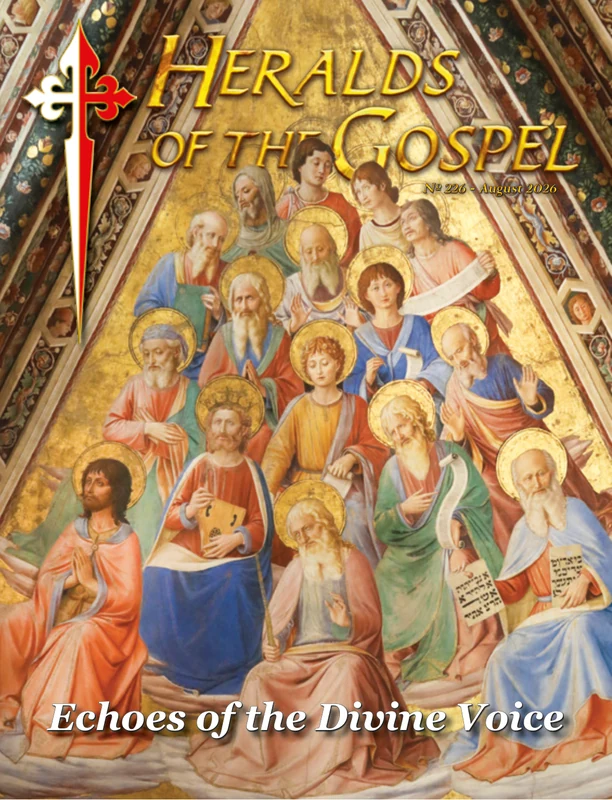 Heralds of the Gospel Magazine, Vol. 20, nº 226, August 2026
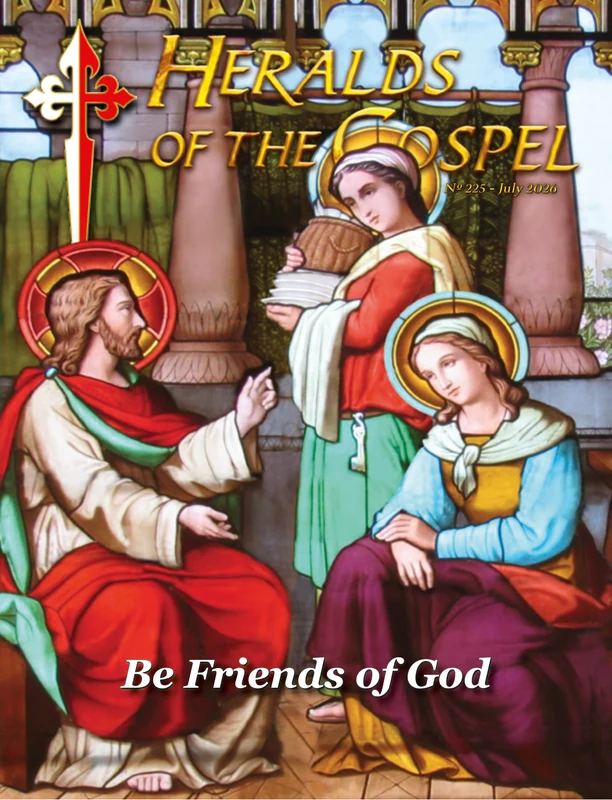 Heralds of the Gospel Magazine, Vol. 20, nº 225, July 2026
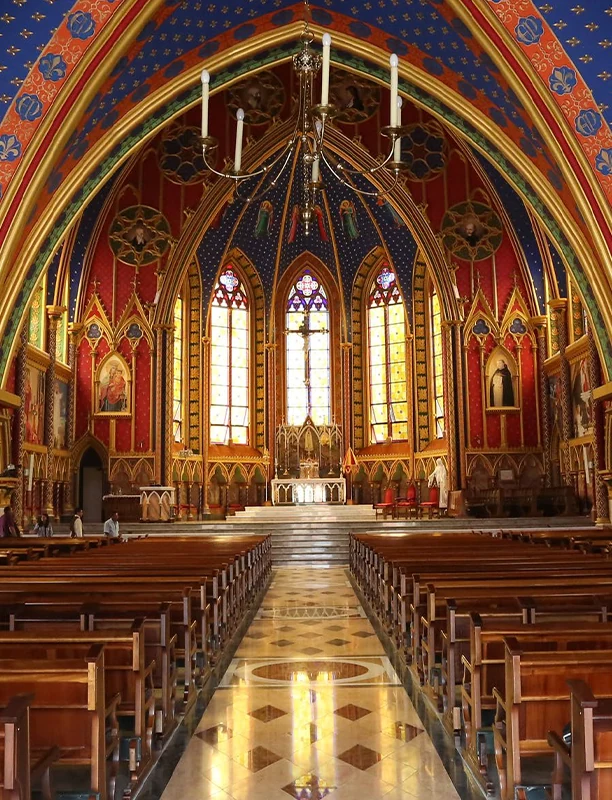 Who are the Heralds of the Gospel?
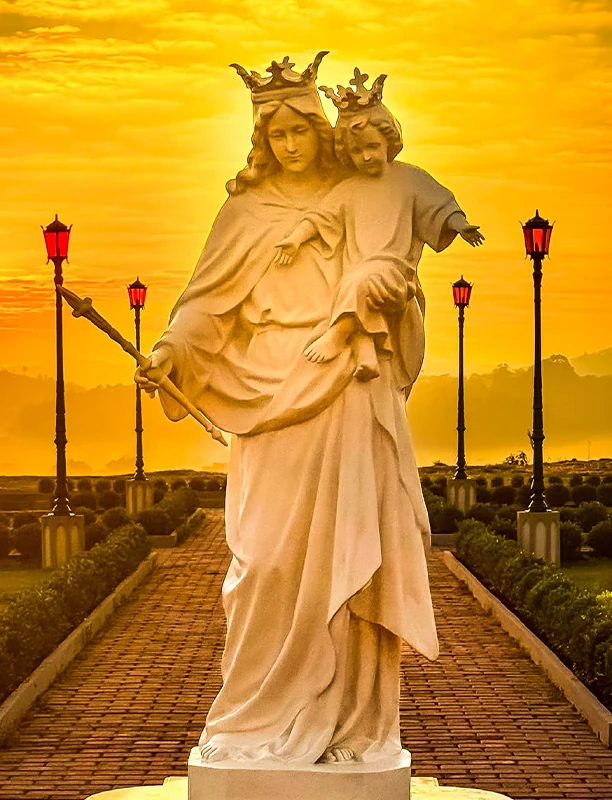 Help of Christians
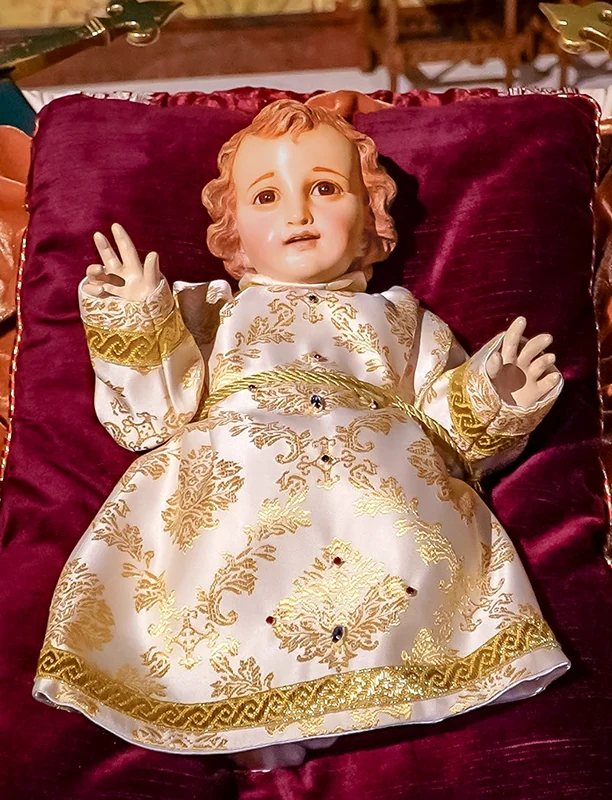 Christmas Carols







April 19 – 3rd Sunday of Easter
The spiritual life is a process. No one becomes holy overnight, and no one falls from one day to the next; everything happens step by step, both ascending and descending, for this is the normal path in the state of trial in which we find ourselves on this earth.
This was the case with the disciples of Emmaus, who went through a conversion process wisely and delicately guided by Our Lord Jesus Christ, along the way they travelled with Him.
We too are accompanied by Jesus at certain moments in our existence. And He is willing to go with us to the Emmaus of our whims, to help us to return to the Jerusalem of faithfulness.
The Gospel does not hide that those two disciples were sadly leaving for Emmaus, certainly their hometown. This signified a return to mediocrity, as it was some years after having been invited to rise far above the modest horizons of an ordinary Israelite.
They conversed and argued along the way, trying to reconcile the terrible events of the Passion with the worldly idea they had of the Messiah. And they were unable to do so, because their mentality was wrong, their route was mistaken.
Even physically they were going in the opposite direction from the Messiah, who conceived His public life as a long journey towards the Holy City, where He would consummate His redemptive mission: “When the days drew near for Him to be received up, He set His face to go to Jerusalem” (Lk 9:51).
However, along the road of their discouragement, Our Lord Himself came to meet them.
First in intention, last in action.
The Divine Master’s deepest intention was the conversion of those disciples, prepared along the way through fellowship and consummated in the reception of the Holy Eucharist: “Then the two recounted what had taken place on the way and how He was made known to them in the breaking of bread.” (Lk 24:35).
But was St. Luke really referring to the Holy Eucharist? This is a much-debated question among exegetes throughout history, and even today.1
However, regarding the expression “breaking of bread,” it is necessary to note that the words in the original Greek text are identical to those used by the same Evangelist to refer to the Eucharistic Celebration in several passages of the Acts of the Apostles.2
For this reason, and despite the contrary opinion of distinguished commentators,3 it is legitimate to assume, based on current exegesis, that Jesus celebrated the Eucharist with the two disciples.
And it was precisely that Holy Communion that brought about a radical transformation in them: from sceptics, they became faithful; from fearful, they became courageous.4
And what about me? Am I in a process of conversion to God or of distancing myself from Him? Do I recognize Jesus walking beside me and explaining the Holy Scriptures to me? Or am I also “blind”? What path am I taking in my life? Am I heading towards Jerusalem or Emmaus?
Let us ask the Blessed Virgin Mary to not permit us to stray from the path to our salvation.