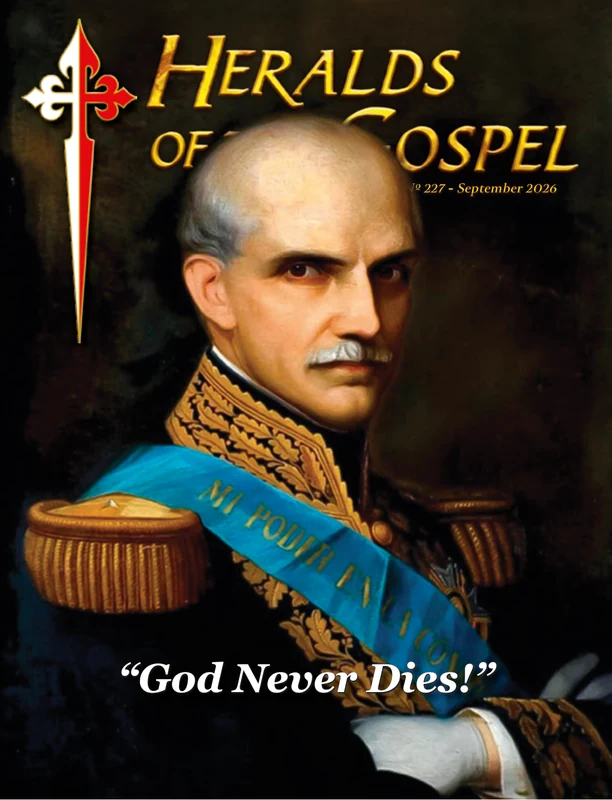
 Heralds of the Gospel Magazine, Vol. 20, nº 227, September 2026
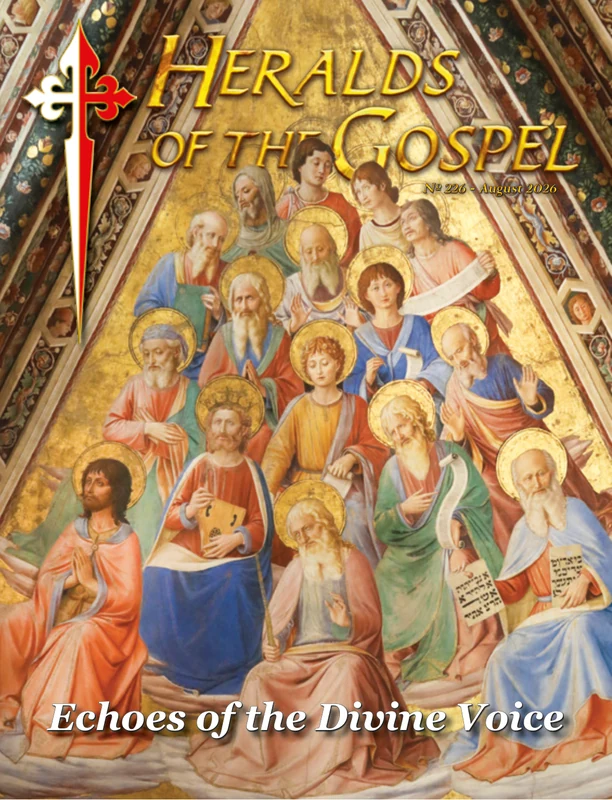 Heralds of the Gospel Magazine, Vol. 20, nº 226, August 2026
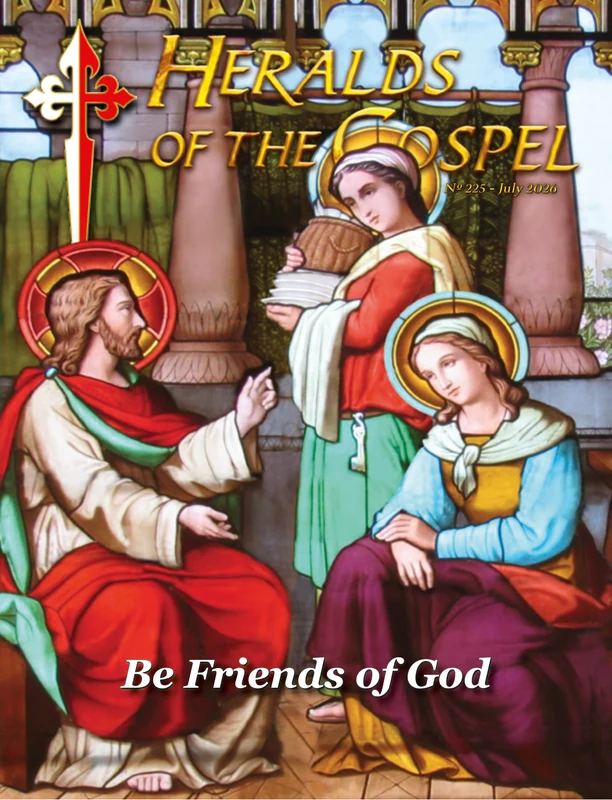 Heralds of the Gospel Magazine, Vol. 20, nº 225, July 2026
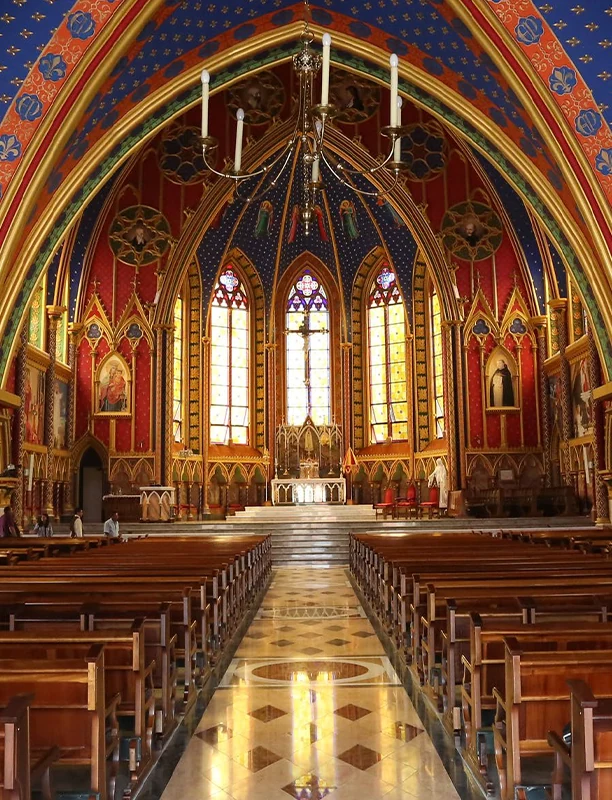 Who are the Heralds of the Gospel?
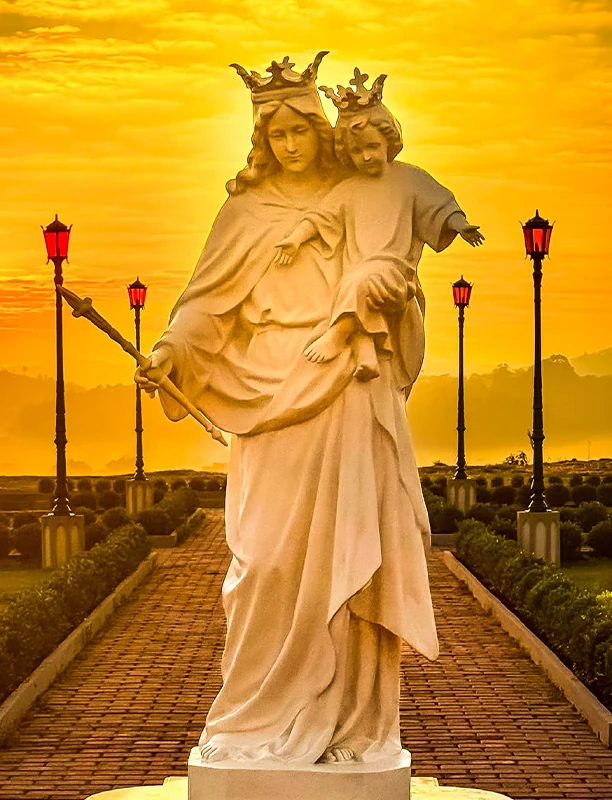 Help of Christians
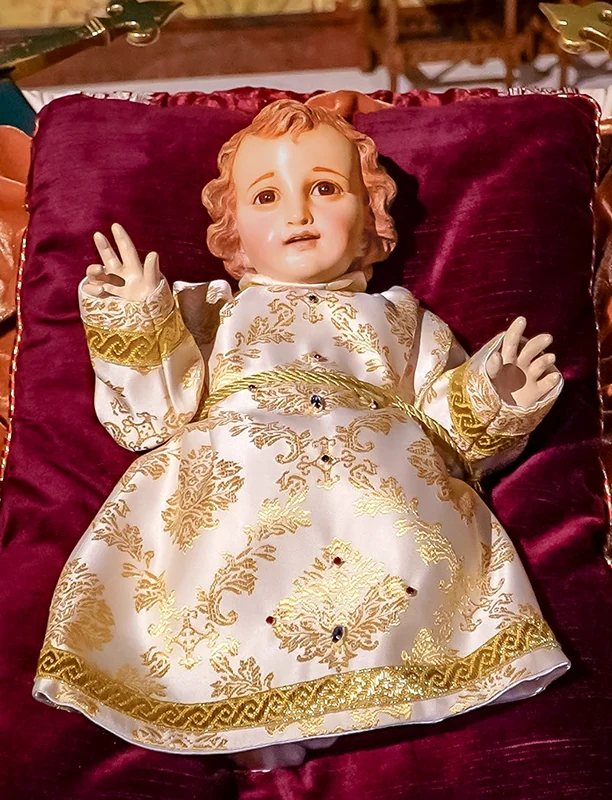 Christmas Carols







The teachings in this paragraph, a true compendium of the lay vocation, correspond to number 31 of the Constitution Lumen Gentium of the Second Vatican Council. In it we read the three main theological topics that underpin this vocation.
First, the text recalls that the laity are incorporated into Christ through Baptism.
Indeed, the reception of this Sacrament, the gateway to life in the Spirit, makes them members of the Church and purifies them from original sin and personal sins, so that they may live an indelible divine filiation and thus, through perseverance in the Faith, attain the Kingdom of Heaven.1
Next, it declares that through Baptism lay people are constituted as the people of God, highlighting the new and irrevocable covenant established between the Lord and the baptized in the ecclesial community.
Finally, this theological foundation concludes by teaching that the laity,“are in their own way made sharers in the priestly, prophetical, and kingly functions of Christ; and they carry out for their own part the mission of the whole Christian people in the Church and in the world.”2
Lay people participate in the priestly office of Christ by offering their lives, activities, and sufferings, especially in the celebration of the Holy Eucharist, as spiritual sacrifices.
They associate themselves with his prophetic role by bearing witness to the Faith, proclaiming the Gospel, and fearlessly denouncing evil in the various environments of society.
Finally, they exercise the kingship of Jesus by combating the kingdom of sin within themselves and by making Our Lord present among their brothers and sisters through charity and justice.3
In light of these teachings, the figure of Dona Lucilia Corrêa de Oliveira, honoured in this issue, stands as a remarkable model of fidelity to the lay vocation; her admirable life is confirmed in two significant aspects.
On the one hand, testimonies recognize her as an example in the practice of virtues, both as a wife and as a Catholic mother; on the other hand, numerous faithful claim to have received surprising favours from God through her intercession.
These two prerequisites, technically known as the reputation of sanctity and the reputation of signs or miracles attributed to a deceased member of the faithful, constitute the two mandatory requirements to initiate diocesan inquiries in the causes of beatification and canonization, as determined by article 7 of the Instruction Sanctorum Mater, of the Dicastery for the Causes of Saints.
In fact, Dona Lucilia numbers among those of the lay faithful who authentically sought “His Kingdom and His righteousness” (Mt 6:33), shining by the example of virtues and purity of morals, the recognition of which, it is hoped, may one day be ratified by Holy Mother Church.