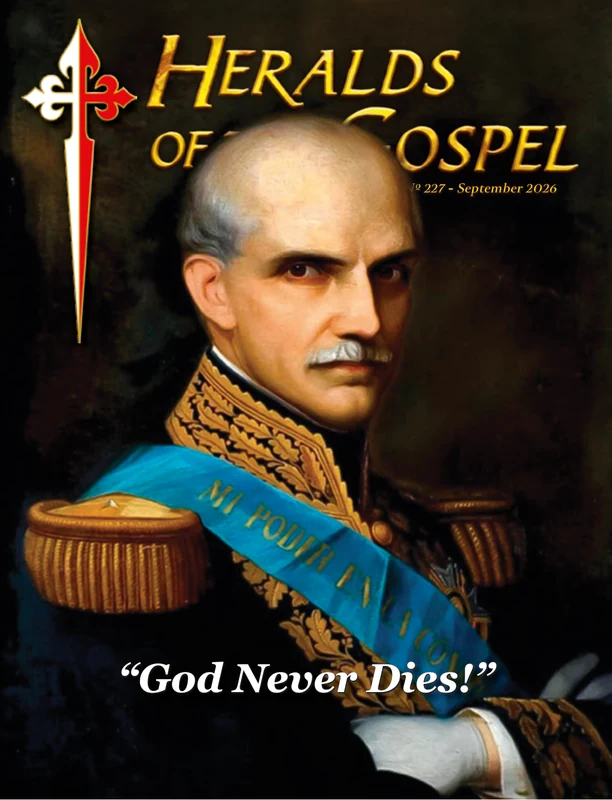
 Heralds of the Gospel Magazine, Vol. 20, nº 227, September 2026
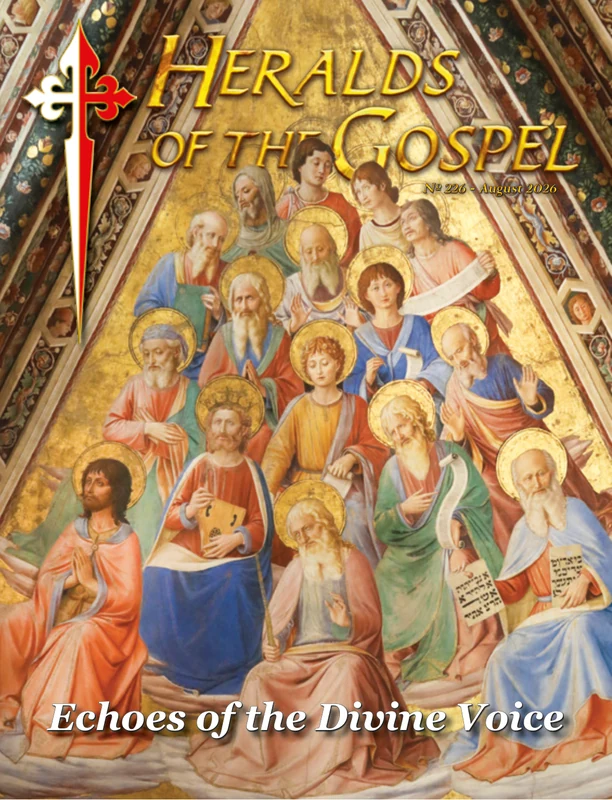 Heralds of the Gospel Magazine, Vol. 20, nº 226, August 2026
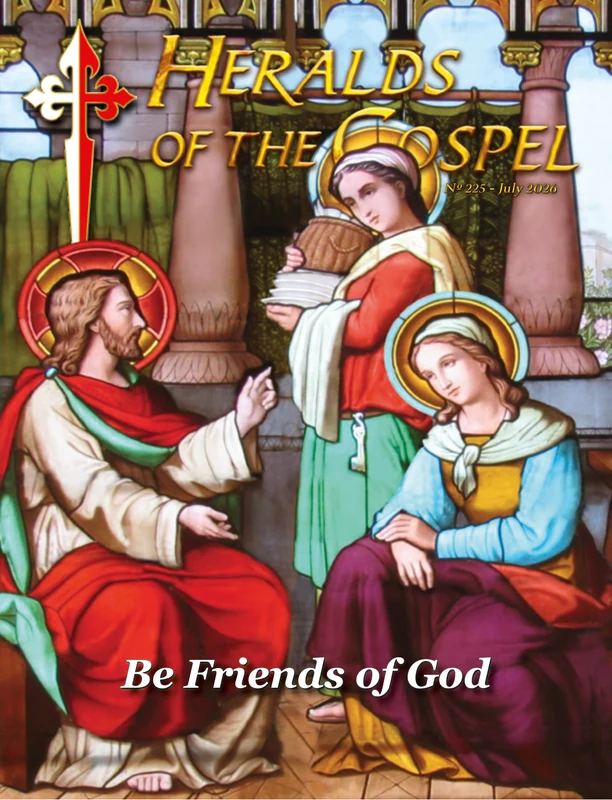 Heralds of the Gospel Magazine, Vol. 20, nº 225, July 2026
 Who are the Heralds of the Gospel?
 Help of Christians
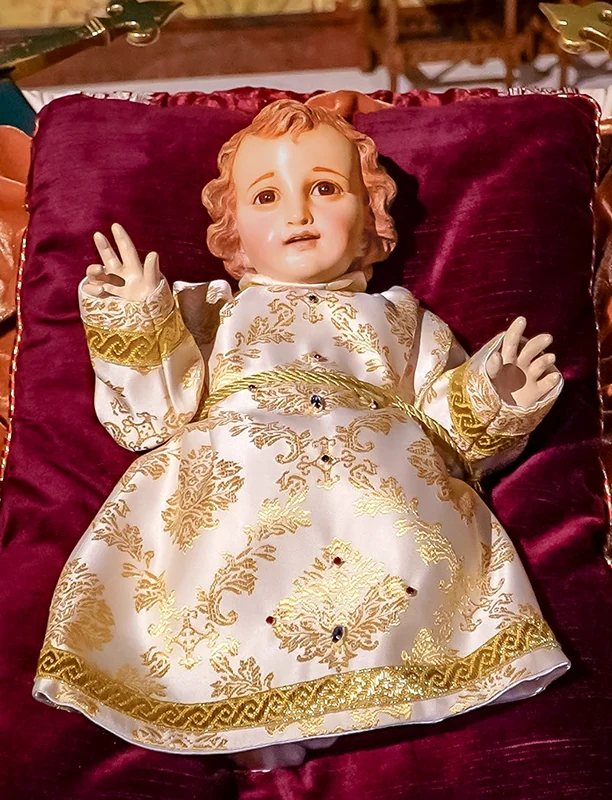 Christmas Carols







St. Thomas Aquinas establishes an interesting relationship between the gift of counsel and the fifth beatitude: “Blessed are the merciful, for they shall obtain mercy” (Mt 5:7).
To better understand this connection, it is necessary, first of all, to recall the role of the fruits of the Holy Spirit and the evangelical beatitudes in the spiritual life of the baptized, as well as their meaning in theology.
The fruits of the Holy Spirit are outstanding acts practised by a soul who faithfully responds to the promptings of the Paraclete through His gifts.1
They can be compared to the ripe fruits of a tree and are distinguished by the great sweetness and gentleness that accompany them.
In his Epistle to the Galatians, St. Paul lists some of them: “the fruit of the Spirit is love, joy, peace, patience, kindness, goodness, faithfulness, gentleness, self-control” (5:22-23).
Now, when the fruits of the Holy Spirit are surpassing in their perfection and excellence, they are called the evangelical beatitudes.2
These constitute the culminating point, on earth, of the Christian life and are, as a result of the sublime rewards linked to them, already a beginning of eternal happiness.
In a certain sense, they represent a synthesis of the Sermon on the Mount, in which Our Lord Jesus Christ reduces them to eight (cf. Mt 5:1-10).
This number, however, is symbolic, since all the heroic works of the saints are counted among the beatitudes.
These are acts of perfect virtue – and therefore concrete actions – in this sense differentiating themselves from the virtues and gifts which, as operative habits, dispose us to produce supernatural acts.3 Thus, they correspond to the gifts as operation corresponds to habit.4
When discussing the relationship between the gift of counsel and the fifth beatitude, St. Thomas Aquinas relies on St. Augustine, who states: “Counsel is befitting the merciful, because the one remedy is to be delivered from evils so great, to pardon, and to give”.5
The Angelic Doctor offers some further considerations in this regard. St. Thomas affirms that the gift of counsel directs all our virtuous acts, but it can be said that it does so in a special way when we perform a work of mercy, as the motive that inspires it.6
Indeed, the gift of counsel properly refers to what is most useful in view of our ultimate end, that is, it helps us to choose what leads us without deviation to Heaven.
Now, nothing is more useful to us in attaining eternal life than mercy,7 in the double sense enunciated by the fifth beatitude: through works of mercy towards our neighbour, we obtain divine mercy for ourselves.
Aquinas explains8 that being merciful means having a heart that suffers as one’s own the misfortune of others, leading us to help our neighbour in their temporal needs and, above all, to exhort them to abandon vice, the worst of evils.
Whoever acts in this way obtains God’s mercy for themselves in this life, through the forgiveness of sins and temporal punishment, and especially in the life to come.