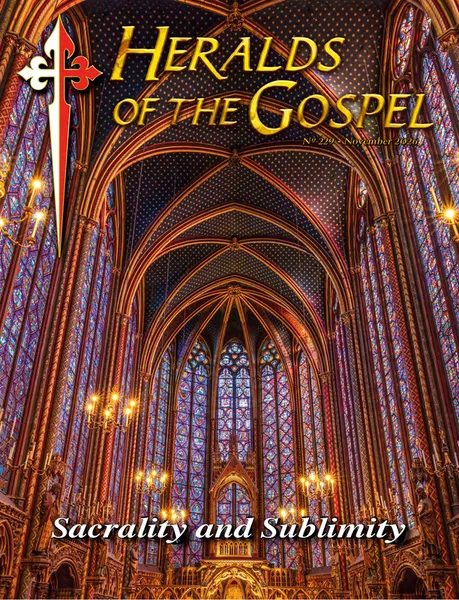
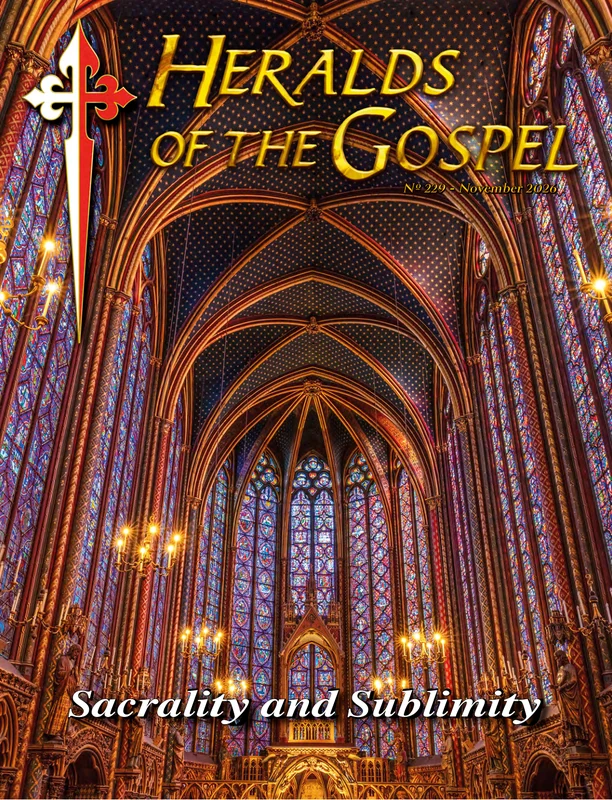
 November 2026, No. 229
 October 2026, No. 228
 September 2026, No. 227
 Who are the Heralds of the Gospel?
 Help of Christians
 Christmas Carols







In defining the essence and purpose of sacred art, the Catechism highlights its sublime mission to manifest the mysteries of God. It cannot, therefore, be conceived from a utilitarian or pragmatic perspective, or made subservient to the artistic trends, styles, and fleeting fashions of modernity.
On the contrary, when true sacred art springs from faith and is shaped by human talent under the inspiration of the Holy Spirit, it becomes a luminous path leading the faithful to Supreme Beauty.
This path is called the via pulchritudinis – a theological concept frequently cited by Benedict XVI1 – which proposes the path of beauty (specifically through sacred art and the Liturgy) as a privileged way to open the human mind to the contemplation of God.
Indeed, when sacred art is imbued with the captivating power of beauty, it can deeply move any individual, thereby transcending the traditional routes of theoretical reflection in the quest to reach God.
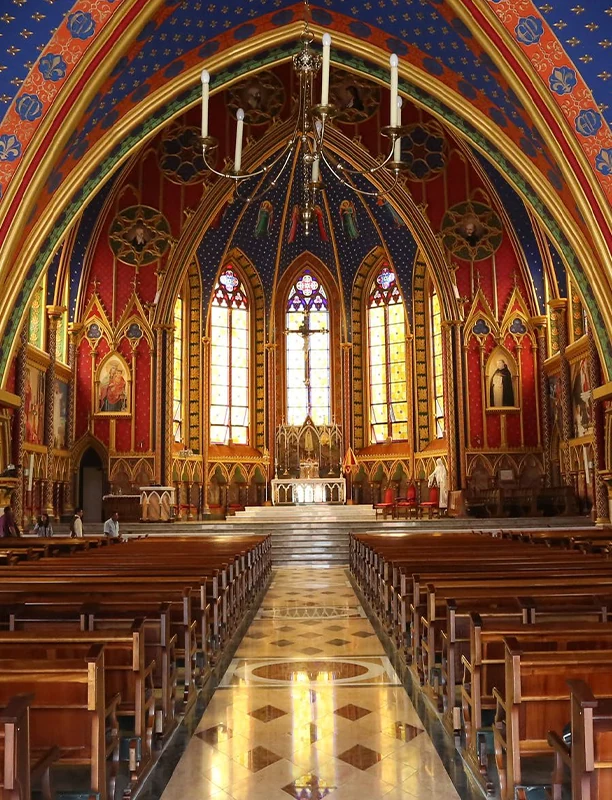
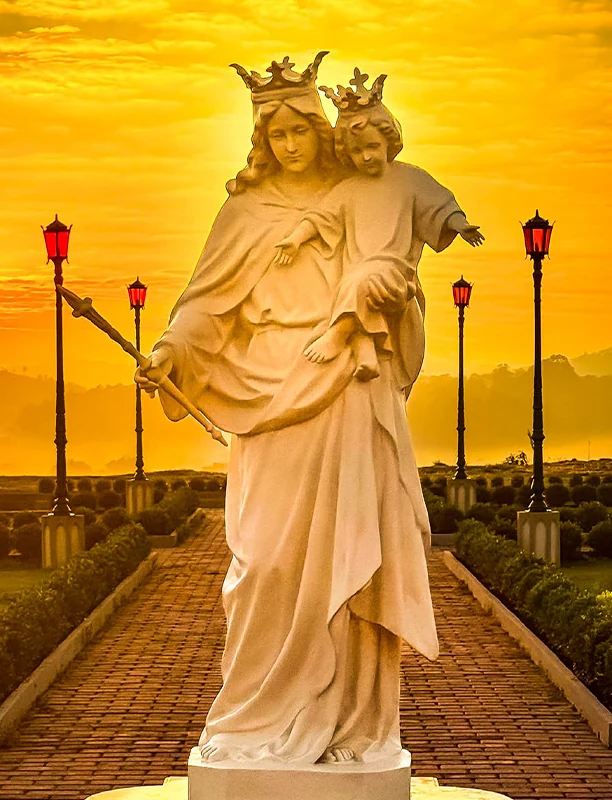
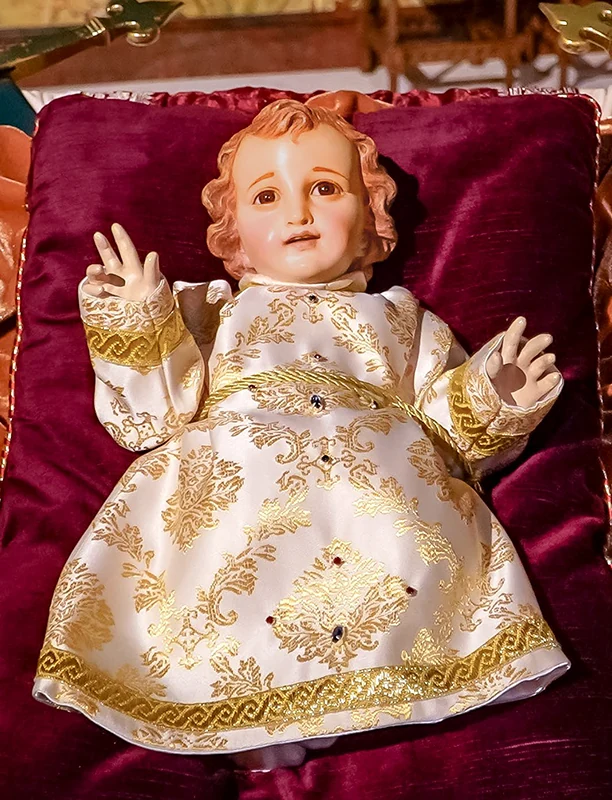
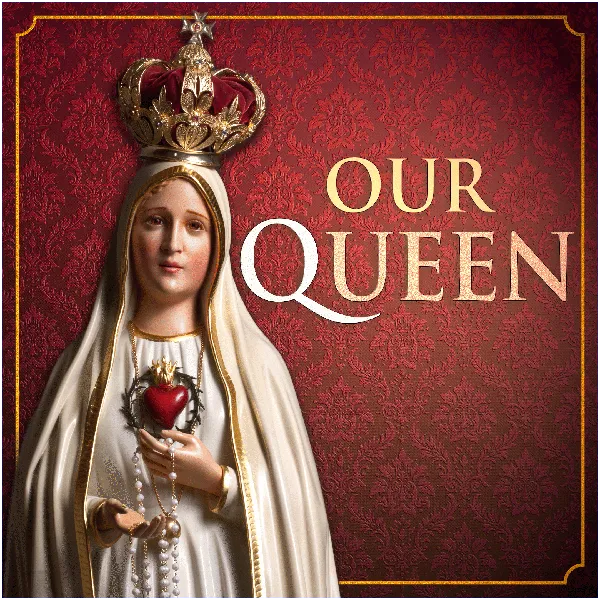
The Most High makes Himself accessible to human senses through paintings and frescoes, images and sculptures, stained glass and mosaics, and sacred instruments and chants. Churches, by bringing these elements together, become like reliquaries whose splendour invites the faithful to solemn liturgical celebrations.
In light of these reflections, the requirement set forth in paragraph 2503 – quoted above – is better understood; it mandates that bishops “remove from the Liturgy and from places of worship everything which is not in conformity with the truth of faith and the authentic beauty of sacred art.”
This provision encapsulates the teaching of the Constitution Sacrosanctum Concilium, which is even more emphatic: prelates must “carefully remove from the house of God and from other sacred places those works of artists which are repugnant to faith, morals, and Christian piety, and which offend true religious sense either by depraved forms or by lack of artistic worth, mediocrity and pretense.”2
In short, when sacred art departs from its essential sacredness – abandoning the mission of reflecting the infinite beauty that is God – it loses its very identity, becoming profane and banal.
In a world whose paths are straying from the via pulchritudinis, the duty of pastors to preserve genuine sacred art – free from styles divorced from the true religious sense, as the Second Vatican Council aptly decreed – is now more urgent than ever.
Catechism of the Catholic Church