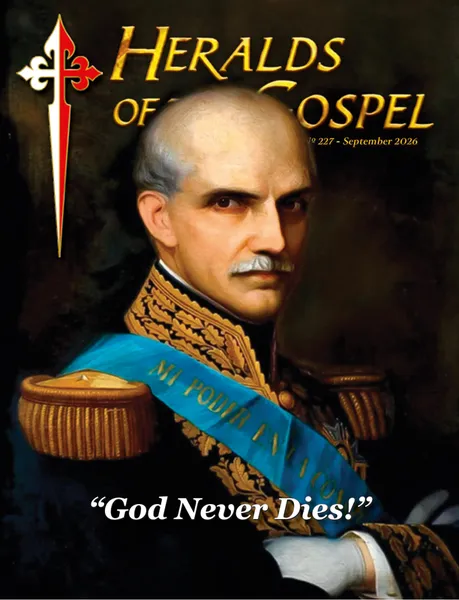
 Heralds of the Gospel Magazine, Vol. 20, nº 227, September 2026
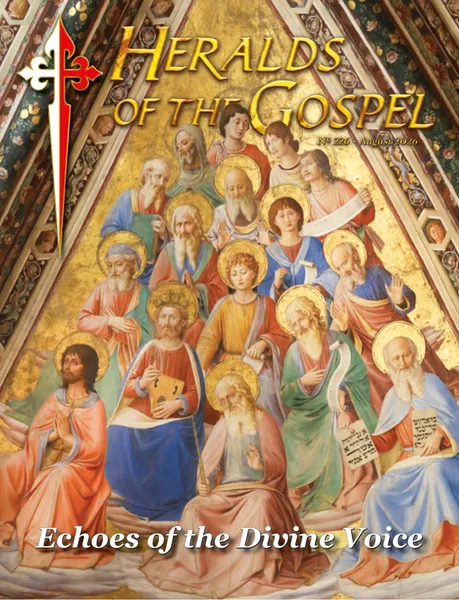 Heralds of the Gospel Magazine, Vol. 20, nº 226, August 2026
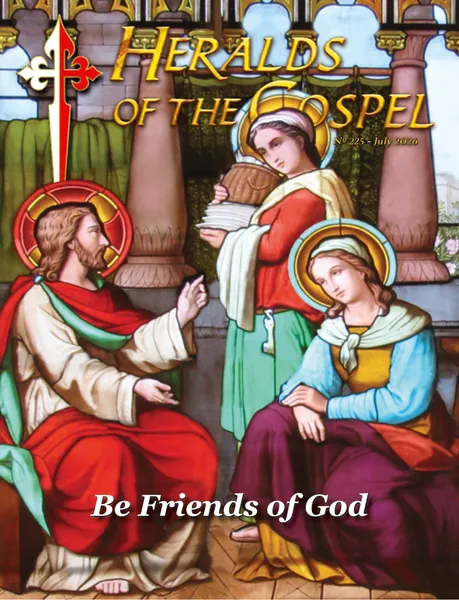 Heralds of the Gospel Magazine, Vol. 20, nº 225, July 2026
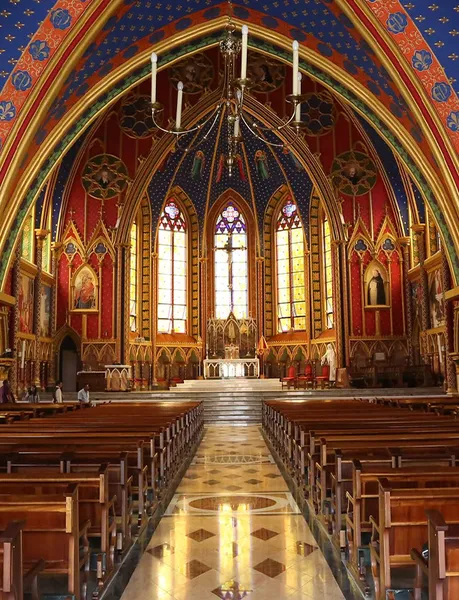 Who are the Heralds of the Gospel?
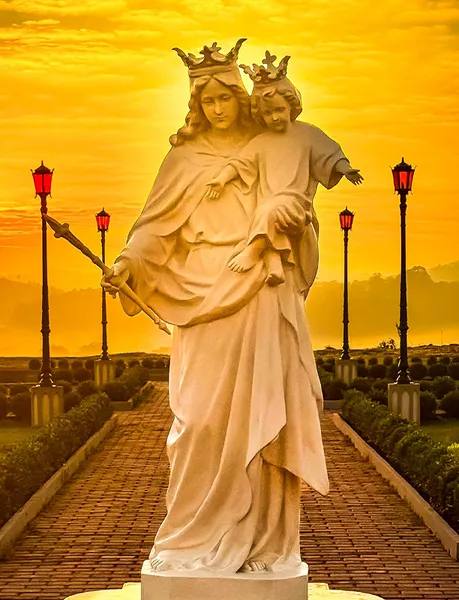 Help of Christians
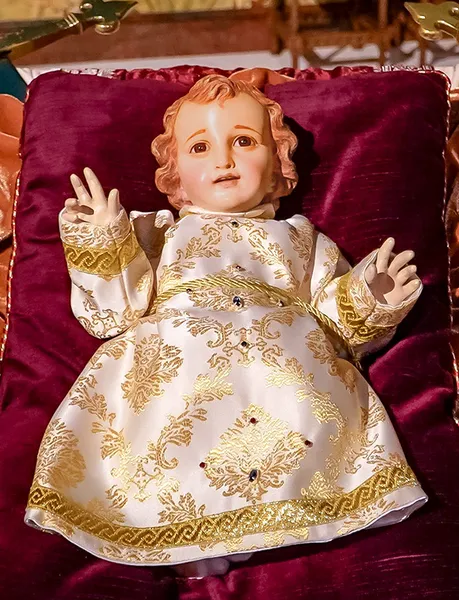 Christmas Carols






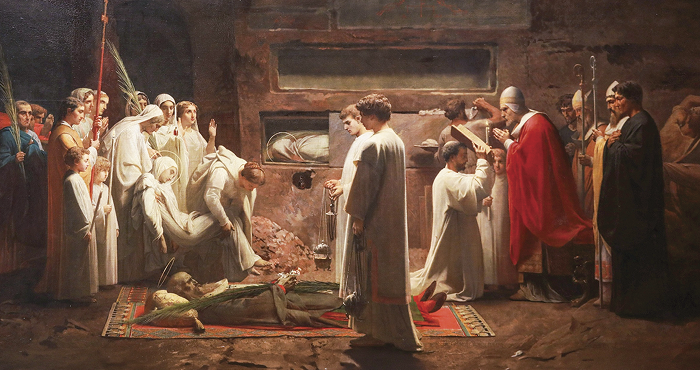
Beneath the streets, squares, and amphitheatres of the bustling Roman capital in the first centuries after Christ, a different life pulsates. Veritable labyrinths extend, narrow and damp, concealing, like criminals, people who possess the ultimate freedom; dark crypts shelter souls clothed in light, destined, soon, for the celestial heights.
In one of the chambers, some faithful gather around a bloody corpse… A priest murmurs prayers over the recently murdered victim. The dismalness of the place pales before the melancholy of the scene. Despite this, an inexplicable glow is noticeable in their faces: contrary to what one would expect, they all show a profound, grave, and serene contentment, mixing tears of sorrow and joy. Although death always brings suffering through separation, joy triumphs in the hearts of those poor fugitives, driven by the certainty of faith, consolidated in hope: the soul of the deceased is finally in the arms of God, from where it will intercede for those who still struggle on earth.
Ah, martyrs! What glory they found beyond the executioners’ blades or after the tearing fangs of wild beasts – what a great reward for the loss of their own lives! The Holy Church has always dedicated enthusiastic praise and outstanding devotion to them, enchanted by that which, to worldly eyes, would cause only horror.
But what is so special about martyrdom, considering that death is the destiny of all men?
From a common word to a title of glory
The word martyr comes from the Greek μάρτυς – mártys –, which means witness. The term evolved from a generic concept to that of testimony given with one’s own blood.
In the New Testament, Stephen, “a man full of faith and of the Holy Spirit” (Acts 6:5), “is not called a martyr because he died, but simply because he is a witness of Christ in his evangelizing activity.”1
Only from the second century onwards, with the Martyrium Policarpi – an account of the execution of St. Polycarp – did the word come to designate the immolation of life, the ultimate expression of witnessing. Since then, the title has been reserved for those who embraced death out of perfect charity.
According to Theology, martyrdom has been described as “the act of the virtue of fortitude by which one voluntarily suffers death in witness to the Faith or any other Christian virtue related to the Faith.”2
Fidelity unto the shedding of blood
In this description, two aspects are indispensable: the witness of Faith and the acceptance of death.
Regarding the first, if the martyr is, above all, a witness, what about Christians who did not live with the Saviour?
Strictly speaking, the Apostles and disciples of the Saviour, those who saw with their own eyes, contemplated and touched the manifestation of the Word of Life (cf. 1 Jn 1:1), are called witnesses of the Christian Faith. However, martyrs are also considered witnesses because they saw the Divine Redeemer with the eyes of faith, by embracing Christian doctrine through Tradition. By declaring their firm adherence to the Church, they attest to the truth they received from Christ, present in them to strengthen them in their sufferings.
For this declaration, long speeches are not necessary; the confession of Faith is enough, for in it resides the very truth.3 The accounts of Trajan’s persecution (97-117 A.D.) attest that anyone who bore the name of Christian could be condemned to death, the revocation of which was only possible by renouncing that title.4
Death is an essential requisite for martyrdom.5 Many faithful suffered torture and imprisonment, becoming confessors of the Faith, but, surviving, they did not consummate the final testimony that reproduces the Passion of Christ.6 This does not detract from their faithfulness, but only distinguishes them from the martyrs.
Two conditions
Dying is not enough. Martyrdom requires two conditions: first, the victim must voluntarily embrace this sacrifice7 out of love for the true religion, for “the mother of martyrdom is the Catholic Faith”;8 second, hatred of the faith – odium fidei – on the part of the executioner must be the cause of the execution.
To better understand this doctrine, let us analyse two hypothetical cases.
A Christian, under persecution, renounces the Faith to escape execution by hypothermia in an ice-filled pool. Upon being removed from the water and placed in a heated bathtub, he dies due to thermal shock. There is no martyrdom, as the death was involuntary: the victim’s intention was to preserve his own life, not to bear witness to his Faith.
The murder of a young Catholic by a thief, motivated exclusively by greed, does not constitute martyrdom. Even if the victim offered his life to God, the absence of odium fidei on the part of the aggressor excludes the characterization of martyrdom.
In this sense, St. Augustine assures us:
“A criminal may suffer a punishment similar to that of a martyr, but for a different reason. Nailed to the cross were three men (cf. Lk 23:33): one a Saviour, the second to be saved, the third to be condemned; the punishment was the same for all, but the cause was unequal […]. Therefore, it is not the punishment that makes martyrs, but the cause.”9
A wreath of virtues crowned by love
Like precious stones, certain virtues shine especially in the souls of martyrs.
By resisting evil to the point of heroism, they practise the virtue of fortitude, which strengthens the human soul so as not to desist in the pursuit of the arduously attained benefit, not even at the risk of bodily life. The arduously attained benefit – perseverance in the life of grace – is sought above all things, considering the world as a true prison and earthly prisons as a kind of liberation from it.10
They possess profound faith, a virtue by which the battle of martyrdom is fought.11 For this, belief in the heart is not enough, but also outward manifestation, that is, the confession of faith, an act by which they demonstrate that they have this virtue: “I by my works will show you my faith” (Jas 2:18).12
They are also clothed in perfect obedience, for they imitate the God-Man in His full submission to the Father’s will in the Passion:
“And being found in human form He humbled Himself and became obedient unto death, even death on a Cross. Therefore God has highly exalted Him and bestowed on Him the name which is above every name” (Phil 2:8-9).
Martyrs also stand out for their patience, enduring physical and moral torments with good dispositions. In the face of mistreatment, torture, insults, and slander, they do not succumb to self-love, anger, or despair, for they know that any sufferings are small compared to the heavenly glory that is to be revealed to us (cf. Rom 8:18).13
Finally, charity is the most important virtue in martyrdom because, as the Apostle testifies, “if I deliver my body to be burned, but have not love, I gain nothing” (1 Cor 13:3). Since charity “binds everything together in perfect harmony” (Col 3:14) and “greater love has no man than this, that a man lay down his life for his friends” (Jn 15:13), the greatest external act of charity is martyrdom, when the Christian despises his life for the love of God.14
The whole Mystical Body of Christ benefits from their merits
The fruits of the generous holocaust of the martyrs are sublime.
Baptism of blood erases original sin and opens the gates of Heaven to those who die for the Faith even without having received sacramental Baptism. This is what happened to the Holy Innocents, killed at the command of Herod out of hatred for the Divine Redeemer who was born in Bethlehem (cf. Mt 2:16).15
To the baptized who have fallen into grave sin, martyrdom restores the state of grace and cancels the temporal punishments to be paid in Purgatory. In short, the faithful are sanctified to enjoy in Heaven the company of Him who opened the path of martyrdom to them.16
Beyond the individual benefit, martyrdom fertilizes the Church. As Tertullian affirms, “the blood of the martyrs is the seed of Christians.”17 Through their sacrifice, countless souls attain mercy,18 and the Mystical Body of Christ is strengthened and grows throughout the world. Even after death, through their heroic selflessness, they draw multitudes to the light of the Faith.
We can all be martyrs!
At the end of these considerations, let us turn our gaze to Mary Most Holy, the Queen of Martyrs. With her soul pierced by sorrow (cf. Lk 2:35), She suffered at Calvary what Theology calls, by analogy, moral martyrdom – or martyrdom of the heart – drinking with her beloved Son every drop from the chalice of Redemption. Although She did not shed bodily blood, her suffering, with which nothing can compare,19 came from the supreme union with the Passion of Jesus.
Following Mary’s example, we are all called to martyrdom, if not by violent death, at least by love lived fervently in everyday life. To dedicate every minute of existence to the service of God is a most beautiful form of martyrdom. Let us strive “in the silent and heroic practice of the virtues of ordinary Christian life, which constitute the ‘heroism of the small’ and a kind of ‘martyrdom by pinpricks.’”20
Although this daily martyrdom may be more painful and arduous than death caused by fangs of wild beasts, it is the sure path to holiness, guaranteeing us, on judgement day, eternal reward alongside the heroes of the Faith.
Notes: