 Heralds of the Gospel Magazine, Vol. 20, nº 227, September 2026
 Heralds of the Gospel Magazine, Vol. 20, nº 226, August 2026
 Heralds of the Gospel Magazine, Vol. 20, nº 225, July 2026
 Who are the Heralds of the Gospel?
 Help of Christians
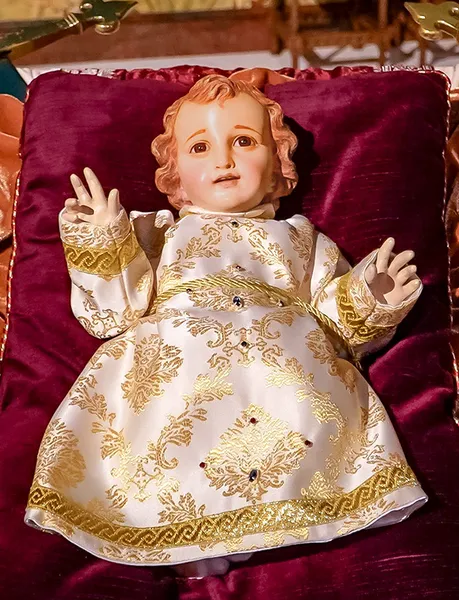 Christmas Carols







Hands folded, palm to palm, next to the chest of one who prays: this is one of the most common and expressive positions for Christian prayer. Whether a priest at the Sacrifice of the Mass, the anxious student before an exam, or the mother interceding for her children, this posture transcends generations and borders. And with good reason, given the origins of this tradition.
This position of supplication has its origins in the Middle Ages. It was the age of feudalism, when, in a pledge of mutual aid and complete loyalty, men were united within a hierarchical structure, not through cold, formal contracts that were mere empty words, but through a personal commitment.
A knight who offered himself to the service of a liege lord – whether a king or another noble – swore his oath of fidelity before the master with his hands together on his chest.
Even the soldiers of Christ – “miles Christi” (2 Tm 2:3) – began to address the Divine General in their prayers in this way, and the custom became prevalent from the 12th century onwards.
Along with the widespread movement in favour of this practice, the Church itself recommended it to its children: at the Synod of Oxford (1222), for example, Cardinal Langton instructed the faithful to have their hands folded during the elevation of the Host. Over time, the gesture gained prominence in sacred ceremonies and, through use, became the most common position for prayer in the Liturgy.
When we fold our hands to pray, let us remember the depth of this act: we declare to God that we are His vassals and warriors. May this habit inspire us to humbly ask for the strength necessary to serve Him with loyalty and courage.