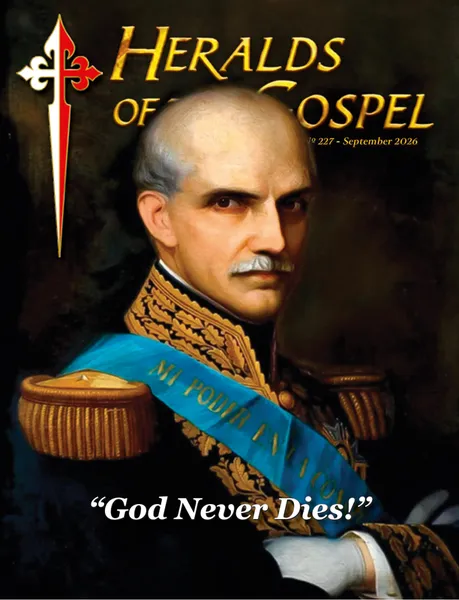
 Heralds of the Gospel Magazine, Vol. 20, nº 227, September 2026
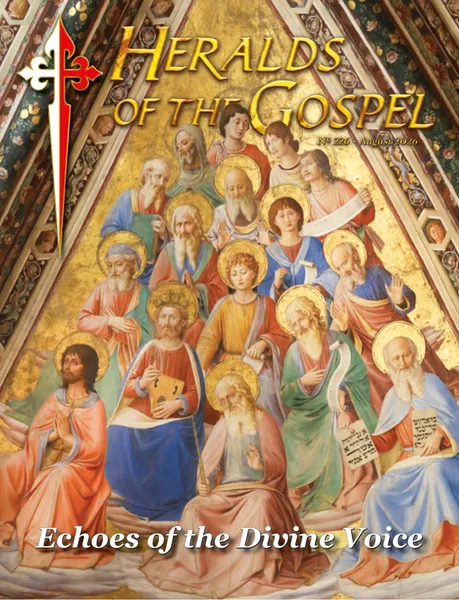 Heralds of the Gospel Magazine, Vol. 20, nº 226, August 2026
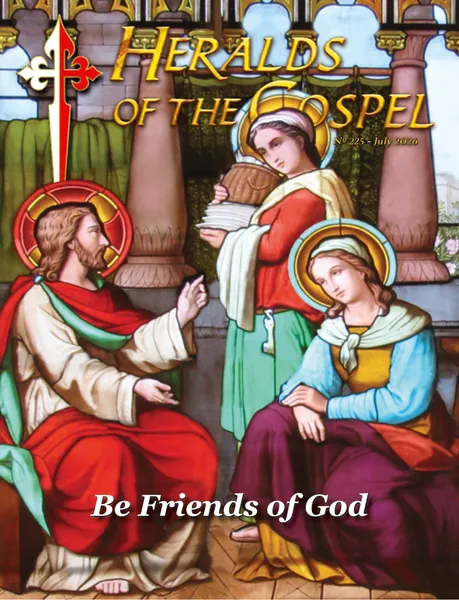 Heralds of the Gospel Magazine, Vol. 20, nº 225, July 2026
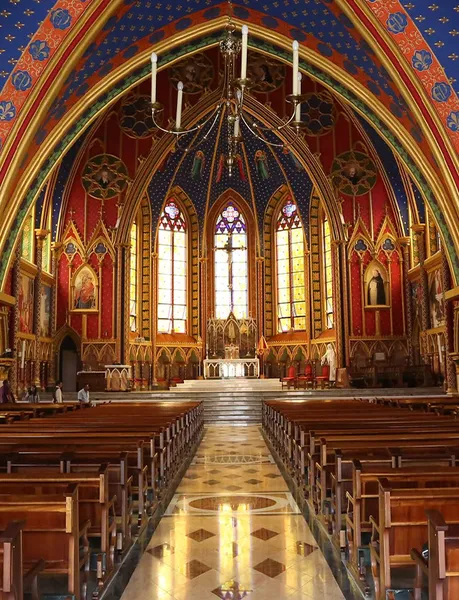 Who are the Heralds of the Gospel?
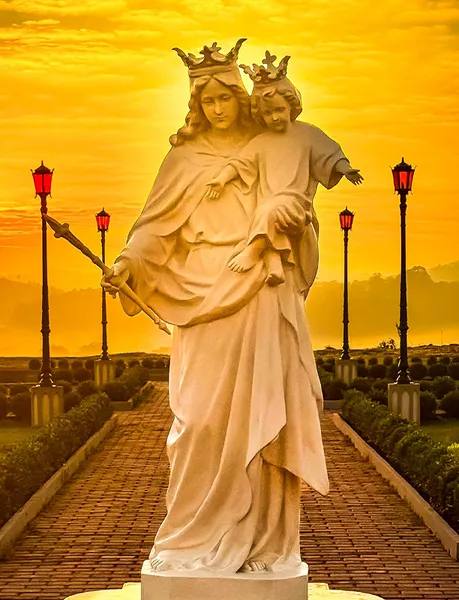 Help of Christians
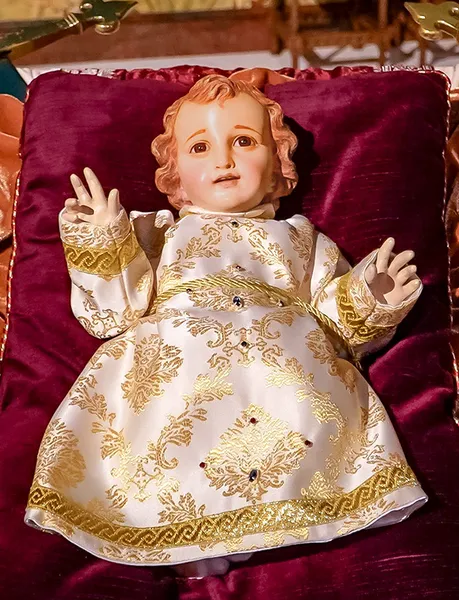 Christmas Carols







The Catechism summarizes a fundamental mission in the life of the baptized: the duty to proclaim and defend the truths of the Faith. To this end, the text sets out two key models: Our Lord Jesus Christ, the pinnacle of virtue and holiness, and St. Paul, a remarkable example of courage and integrity.
By referring to the Redeemer’s dialogue with Pilate (cf. Jn 18:37), the Catechism invites us to reflect on the witness to the truth. St. Thomas Aquinas,1 in the introduction to the Summa contra Gentiles, quotes precisely this passage from the Gospel to argue that the proper office of the wise man is dedication to the contemplation of this Supreme Truth, that is, God, the source of all truth.
With remarkable clarity, Aquinas explains that just as medicine promotes health and wards off illness, the wise person must meditate on God and refute all error and falsehood, as the Book of Proverbs states: “my mouth will utter truth; wickedness is an abomination to my lips” (Prv 8:7).
Bearing witness to Christ requires self-denial and consistency, virtues which St. Paul instilled in his disciple Timothy (cf. 2 Tm 1:8).
Reaffirming this vocation, the Second Vatican Council2 recalls that Christians must manifest, by example and by the witness of the word, the new life received in Baptism and reinvigorated by Confirmation. The intrepid defence of the truth made by the Apostle before Governor Felix (cf. Acts 24:16) testifies that the credibility of the Christian witness does not reside only in words, but in the authenticity and integrity of life.
In the face of today’s neo-pagan society, often hostile or indifferent to the Faith, the universal vocation to holiness demands courage. Strengthened by the Sacraments and having recourse to the intercession of Mary Most Holy – whose model of fearless fidelity at the foot of the Cross is a paradigm for all – the faithful are called to fulfil, with righteousness, this sublime and honourable mission of witnesses of the Redeemer.
Notes: