 Heralds of the Gospel Magazine, Vol. 20, nº 228, October 2026
 Heralds of the Gospel Magazine, Vol. 20, nº 227, September 2026
 Heralds of the Gospel Magazine, Vol. 20, nº 226, August 2026
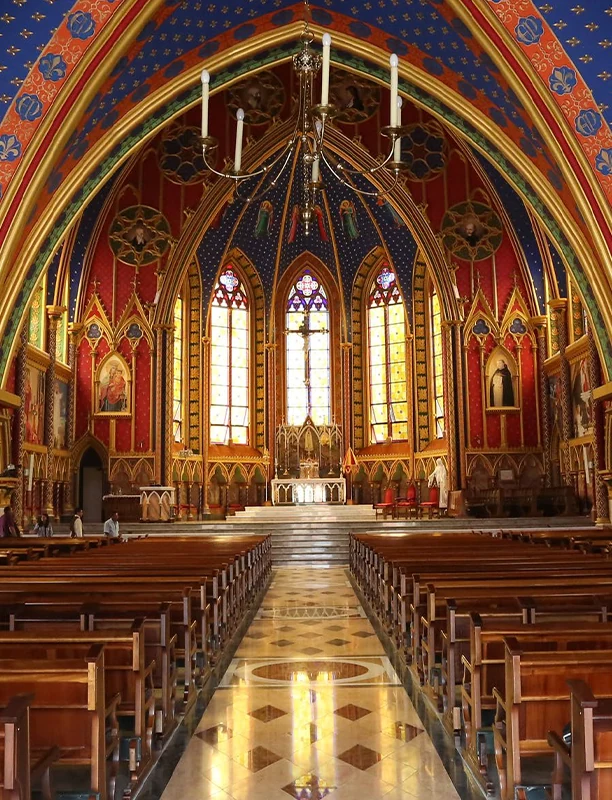 Who are the Heralds of the Gospel?
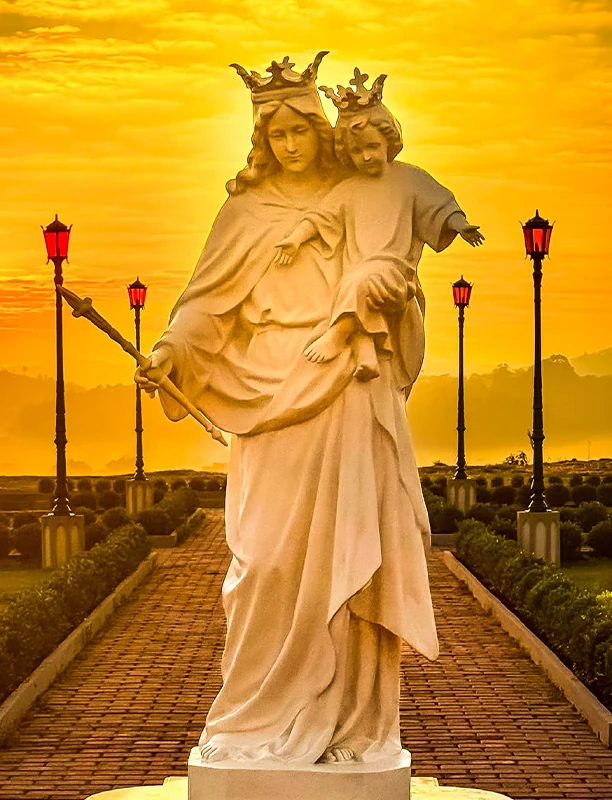 Help of Christians
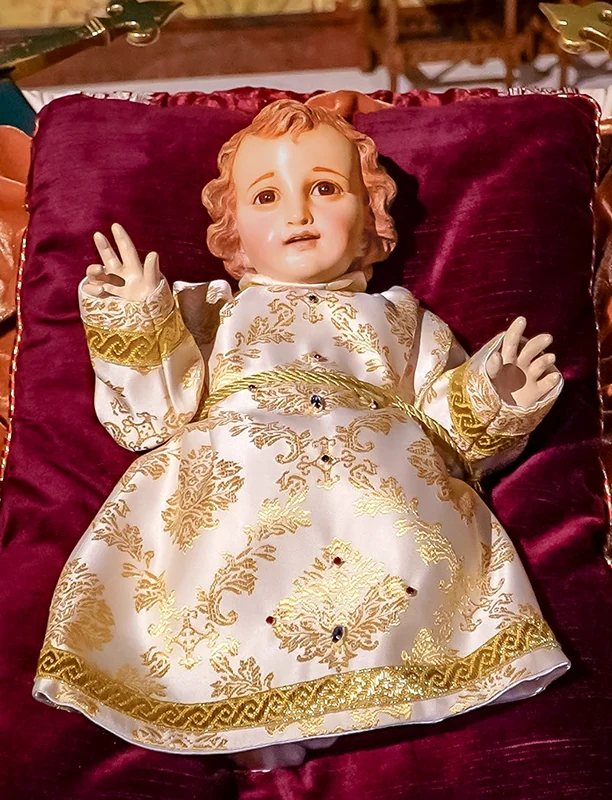 Christmas Carols







The Divine Architect created Heaven and earth as an expression of His infinite goodness. From His hands, creatures came into being in an orderly manner, with “measure and number and weight” (Wis 11:20). At the pinnacle of the universe, He fashioned man in His own image and likeness, the most perfect reflection of which is the Incarnate Word, sent into the world out of pure love (cf. Jn 3:16).
The sending of the Son has a clear purpose, as He Himself said: “For this I was born, and for this I have come into the world, to bear witness to the truth” (Jn 18:37). Indeed, God “desires all men to be saved and to come to the knowledge of the truth” (1 Tm 2:4). In the same vein, the Catechism of the Catholic Church teaches:
“God wills the salvation of everyone through the knowledge of the truth. Salvation is found in the truth. Those who obey the prompting of the Spirit of truth are already on the way of salvation”(CCC 851).
Outside the truth, there is no salvation.
Upon ascending into Heaven, the Redeemer entrusted to the Apostles the mission to share in this spreading of the truth: “Go, therefore, and make disciples of all nations, baptizing them in the name of the Father, and of the Son, and of the Holy Spirit” (Mt 28:19). For this reason, the Church extends to every corner of the globe by virtue of her very catholicity – Catholic means universal.
Thus, the Church is also intrinsically missionary, in the most radical sense of the term – missio means sending. And for what purpose is she sent? The Catechism answers: “The ultimate purpose of mission is none other than to make men share in the communion between the Father and the Son in their Spirit of love” (CCC 850). The mission therefore shares in the Trinitarian relations: “As the Father has sent Me, even so I send you” (Jn 20:21).
At the Ascension, Jesus also promised that He would be with us until the end of time (cf. Mt 28:20). The Holy Spirit continues to be sent out to the entire world and the Gospel proclaimed “to the whole creation” (Mk 16:15), so that all things may be brought together in Christ (cf. Eph 1:10).
This means that evangelization, the ultimate goal of which is to lead humanity back to the Father, is directed towards all realities. Everything proceeds from the mutual love of the Persons of the Trinity – exitus – and must return to this source – reditus. For this reason, the apostolate must effectively reach out to peoples not only through preaching – which is, of course, essential, for “faith comes from what is heard” (Rom 10:17) – but also through the establishment of a genuine Catholic civilization, so as to permeate the whole creation with the Most Precious Blood of Christ.
Whilst earthly cities covet only dominion – “dominandi libido” (St. Augustine. The City of God, Preface) – the Church on her journey towards the Fatherland aspires to reflect ever more perfectly the Church Triumphant. She is immaculate and most pure (cf. Eph 5:27), like the Virgin Mary, yet she must still live here in combat – she is militant by nature – and her full victory will be consummated only at the Last Judgement.
For now, the Church spares no effort in sailing the seas, venturing into forests and crossing the skies to bring absolutely everything back to Christ: not only people, but also social life, the arts, ambiences, customs… everything. Nothing is left out, for “from Him and through Him and to Him are all things” (Rom 11:36).
 Sr. Letícia de Sousa
 Msgr. João Scognamiglio Clá Dias, EP