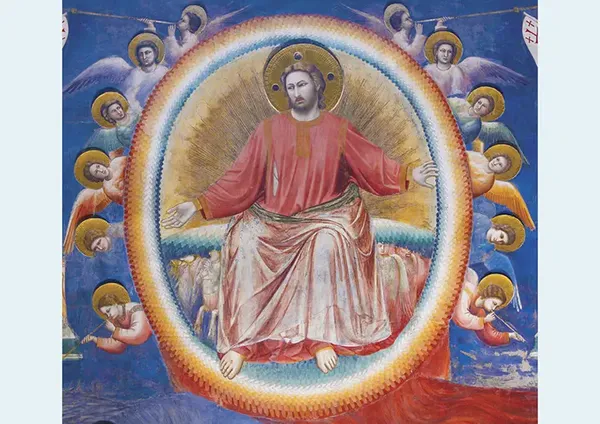
 Heralds of the Gospel Magazine, Vol. 20, nº 228, October 2026
 Heralds of the Gospel Magazine, Vol. 20, nº 227, September 2026
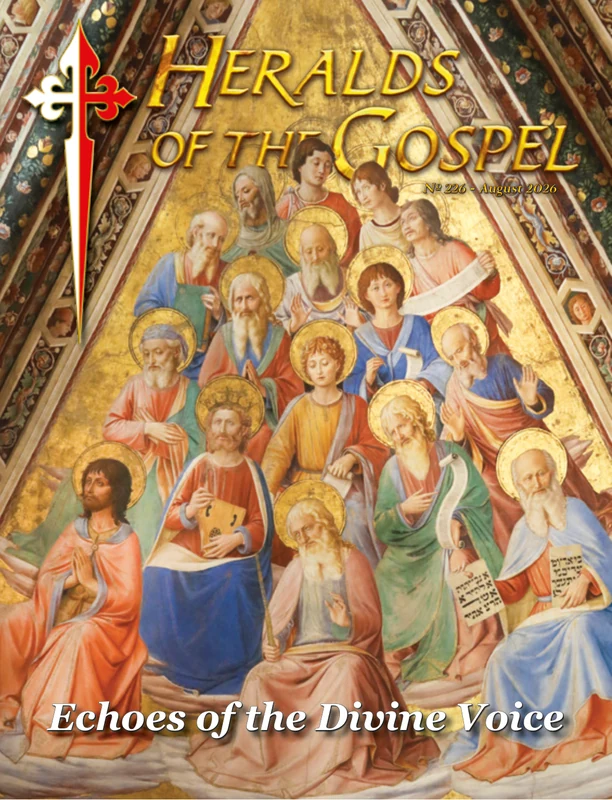 Heralds of the Gospel Magazine, Vol. 20, nº 226, August 2026
 Who are the Heralds of the Gospel?
 Help of Christians
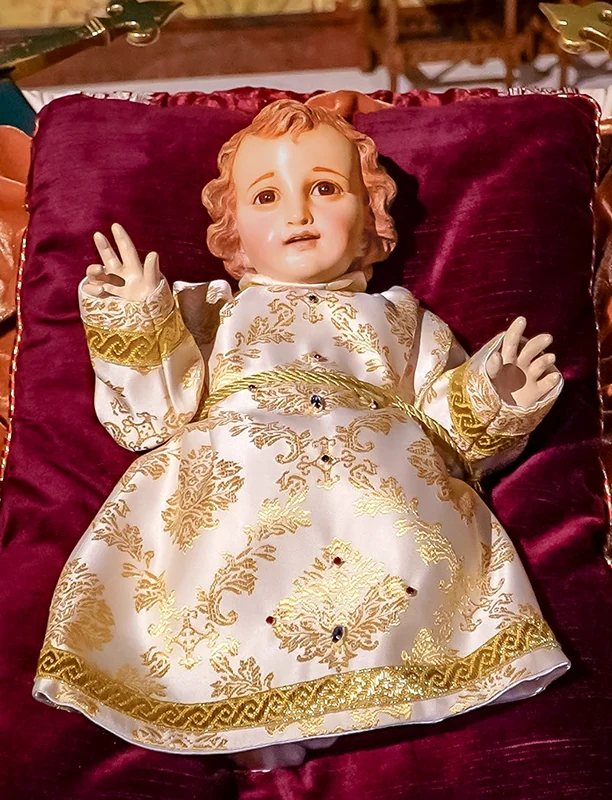 Christmas Carols







The word amen, derived from the Hebrew root אמן (’mn), is related to the idea of firmness, truth, security, and confidence.
In the Book of Deuteronomy, for example, the people are admonished by Moses to respond “amen” (Dt 27:15-26) to the curses pronounced against those who violate God’s Law, thus manifesting their acceptance of divine justice. The prophet Jeremiah responds “Amen, O Lord” (Jer 11:5), when accepting a command from the Most High. The term appears on numerous occasions in the writings of the Old Covenant.
The Evangelists use the word in its Greek form – ἀμήν (amen) –, generally translated as truly.
With the force of authority, Jesus uses it at the beginning of solemn pronouncements. In the Gospel of John, the term is repeated to emphasize the revelation: “Truly, truly [amen, amen], I say to you, before Abraham was, I am” (Jn 8:58). Our Lord uses this expression to testify that something deserves trust and full credit. Thus, the Apocalypse calls Him “Amen,” for He is “the faithful and true witness” (Rv 3:14).
In the Liturgy, the term acquires new splendour. Throughout the Holy Mass, the faithful pronounce it several times as a profession of faith. In receiving the Holy Eucharist, for example, “amen” expresses belief in the Real Presence after the minister proclaims: “The Body of Christ.” Finally, this word concludes and confirms our prayers, manifesting confidence in God and adherence to His designs.
May our lives also be a constant “amen,” witnessing our total fidelity to the Holy Church!

 Msgr. João Scognamiglio Clá Dias, EP