 November 2026, No. 229
 October 2026, No. 228
 September 2026, No. 227
 Who are the Heralds of the Gospel?
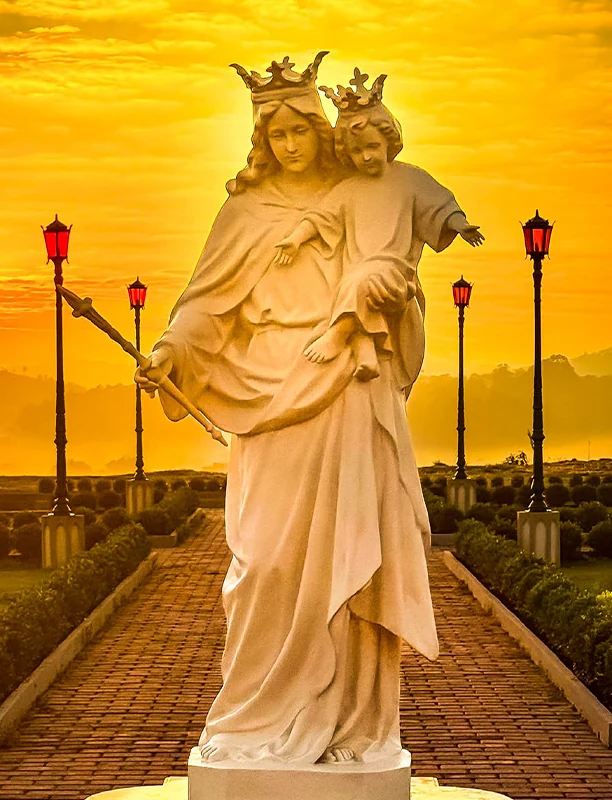 Help of Christians
 Christmas Carols








The reader may well have felt a certain perplexity upon encountering the passage in Genesis: “The man called his wife’s name Eve, because she was the mother of all living” (3:20). After all, what is the connection between “the mother of all the living” and the name “Eve”?
In Western culture, the choice of a name often reflects various desires: to honour an ancestor, follow a trend, or simply to satisfying a preference for a particular sound…
In Eastern traditions, however, the custom of giving new family members a symbolic name – such as Swan or Wall – endures to the present day, expressing the hopes parents place in that soul.
This custom prevailed in biblical times, as seen in the aforementioned Genesis passage. Eve – Hawwah in Hebrew – means life. The verse could thus be read: “Adam named his wife Life,” indicating her mission as a mother.
In the Greek Septuagint version, this meaning was preserved by translating Eve as ζωή (life). In the Latin Vulgate, however, the name was merely transliterated from the Hebrew, giving rise to similar versions in Romance languages and other modern tongues.
Upon leaving Paradise, Adam seemed to remind his wife that, even in their harsh exile, the divine covenant remained alive in the promise of offspring.
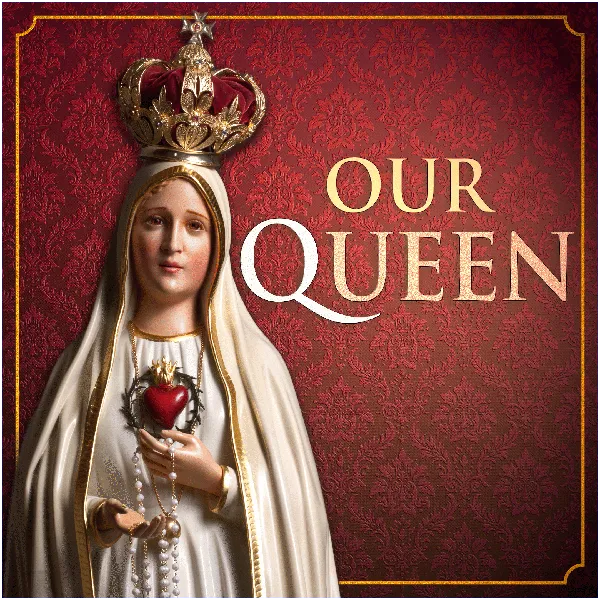
Far from being merely the cause of death, she was – in the divine plan – Eve: a prefiguration of the one who would be called the New Eve, Mary, who was destined to give birth to humanity to true Life.