 November 2026, No. 229
 October 2026, No. 228
 September 2026, No. 227
 Who are the Heralds of the Gospel?
 Help of Christians
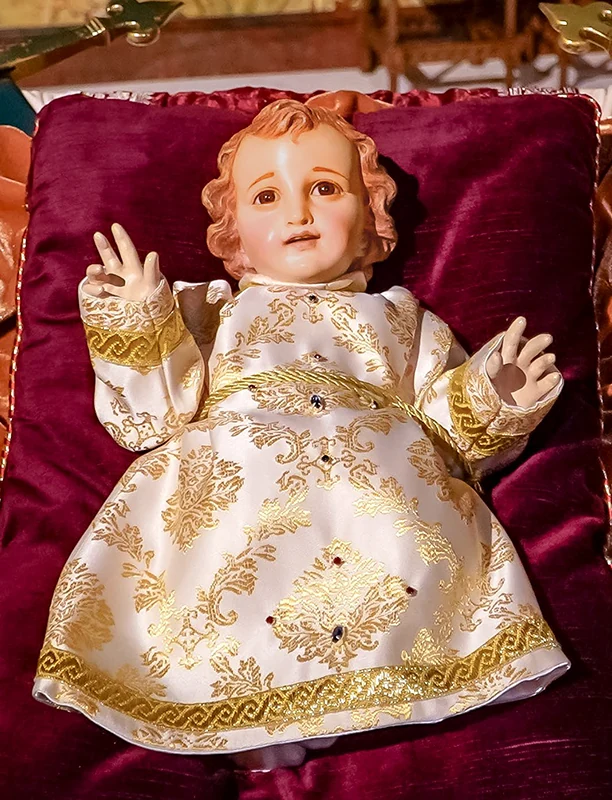 Christmas Carols







Charity is the bond that unites the members of the Church and, as the Apostle proclaimed, it “never ends” (1 Cor 13:8), for “neither death, nor life […] will be able to separate us from the love of God in Christ Jesus” (Rom 8:38-39).
This is true in a special manner regarding those who have already passed from this life to the next, since, in a certain way, they remain ever alive in the memory of their loved ones (cf. St. Thomas Aquinas, Summa Theologiæ, Suppl., q.71, a.2).
For this reason, even those undergoing purification in the fire of Purgatory can benefit from the aid of the living. How? According to St. Thomas (cf. ibid., a.9), there are three principal works that most benefit the deceased, on account of their intimate link to the communication of the virtue of charity.
First is the Blessed Eucharist, the Sacrament of unity containing Him in whom the entire Church is grounded. Hence the importance of requesting Mass intentions for the deceased.
Almsgiving also plays a role, as it is an expression of charity. Finally, prayer is of preeminent value, for it entails a more direct relationship with the person for whom one prays.
In short, the suffrages offered by the living do not transform the state of the dead from misery to beatitude; rather, they contribute primarily to mitigating the expiatory punishment through the charity and intention directed towards them.
Let us not, then, miss the opportunity to help the souls of those who have gone before us, bearing in mind this indisputable truth: one day, we too may depend on the aid of the members of the Church Militant who, through charity and the Communion of Saints, are united with the Church Suffering.