 Heralds of the Gospel Magazine, Vol. 20, nº 228, October 2026
 Heralds of the Gospel Magazine, Vol. 20, nº 227, September 2026
 Heralds of the Gospel Magazine, Vol. 20, nº 226, August 2026
 Who are the Heralds of the Gospel?
 Help of Christians
 Christmas Carols
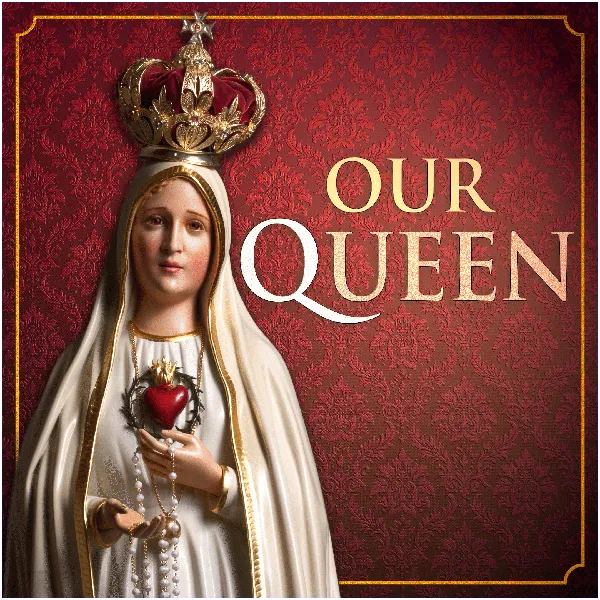







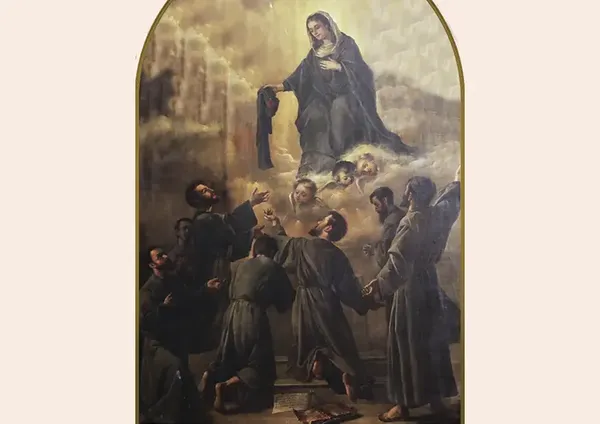
Good Friday of 1239. Seven men were gathered when, in a mystical rapture, they had a vision of Our Lady. Although She shone with incomparable beauty, the Virgin manifested profound sadness. She had tears in her eyes, and wore a religious habit the colour of mourning. Numerous Angels surrounded her: some carried emblems of the Passion, another held a parchment with the words Servants of Mary.
Enthralled, those chosen souls listened to what Our Lady had to say to them: “See the habit that you will henceforth wear. Its black colour indicates the sorrows that I experienced, especially on this day, for the death of my only Divine Son.” The Mother of the Redeemer disappeared, leaving behind the habit and the mission of the Servite Order.
This is just one of several similar stories that occurred in the Middle Ages. Indeed, in a manner very similar to the episode narrated above, the habits of the Premonstratensians and Mercedarians were born, as well as the white cowl of the Cistercians and the scapular of the Carmelites and Dominicans.
In this way, Our Lady, in addition to establishing a link with these Religious Orders, also indicated how indispensable the use of appropriate attire is for those who enter the service of God.
If it is true that “the habit does not make the monk,” it is also evident that the habit, when worn by a religious faithful to his vocation, encourages the wavering, invites those who open themselves to grace to conversion, and is “a sign that will be opposed” (Lk 2:34) for unbelievers.
 Fernando Joaquim Costa
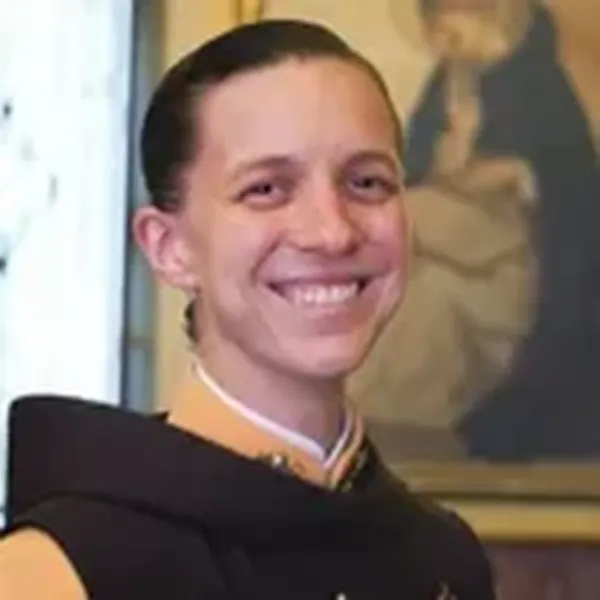 Sr. Patricia Victoria Jorge Villegas