 Heralds of the Gospel Magazine, Vol. 20, nº 228, October 2026
 Heralds of the Gospel Magazine, Vol. 20, nº 227, September 2026
 Heralds of the Gospel Magazine, Vol. 20, nº 226, August 2026
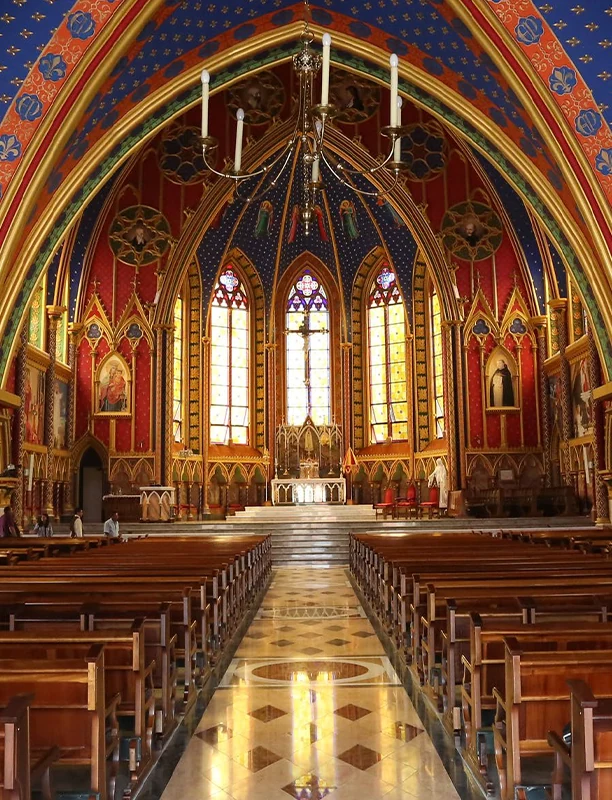 Who are the Heralds of the Gospel?
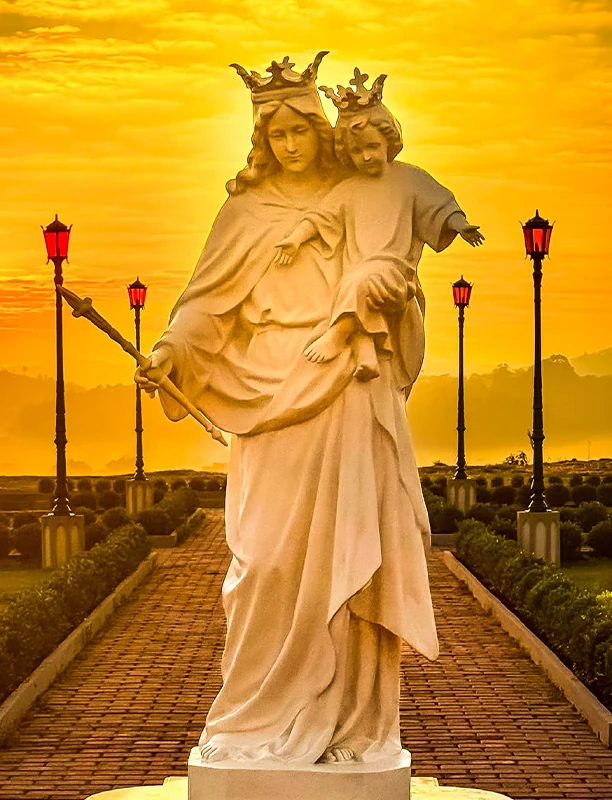 Help of Christians
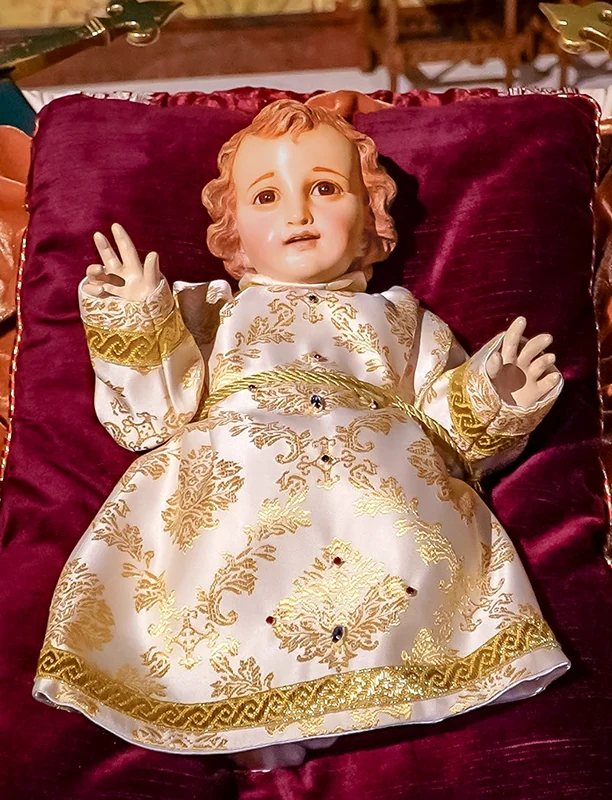 Christmas Carols








Tuesday of Holy Week. The Saviour delivers a pointed parable to the high priests and elders of the people, in an attempt to dissuade them from their wickedness. He narrates the story of a vineyard – a symbol of the “house of Israel” (Is 5:7) and a prefigure of the Church – leased to tenants.
At first glance, the allegory seems to suggest that the greatest danger to the vineyard is the intrusion of thieves. To ward them off, the vineyard is surrounded by fences, an allusion to the powerful protection of the angelic host. Such barriers, however, are insufficient: the thieves are cunning and will stop at nothing to steal into the vineyard. It is also necessary to build a watchtower. Whence the eternal warning: “Watch and pray that you may not enter into temptation” (Mt 26:41), for Eve, Samson, David, and many others succumbed for lack of vigilance.
In this scenario, everything promises prosperity: the “choicest vines” (Is 5:2) are protected by fences, watchtowers, and sentinels; the land is cleared, and the winepress produces the finest wines. Now it is possible to travel abroad: the vinedressers will take care of the harvest, and all will go well…
But no. The owner – God – delegates the responsibility for the vineyard to a few chosen ones. These, however, seize it and mistreat his emissaries. Finally, as a last resort, this head of the family sends his own son to collect the fruits. What follows is shocking: the vinedressers receive him with unparalleled brutality, beating him to death, foreshadowing the Redemptive Passion that was to unfold a few days later.
Thus, the Divine Master suggests that the main threat to His vineyard does not come from external enemies, but from internal ones, especially those to whom responsibilities have been entrusted. It is not the Diocletians and their persecutions that most afflict the Church; nor the Robespierres and their guillotines; nor the Stalins and their gulags. The most serious threat lies in the traitors from within. Among them, the most pernicious is the one who betrays himself. Judas was called from the beginning to be a minister of God, a cultivator in the vineyard. Before betraying Jesus, however, he betrayed his own vocation. It would have been better, therefore, if he had not been born (cf. Mt 26:24)…
The conclusion of the parable highlights the dynamism of grace, which never goes to waste: the Kingdom of God is taken from the Sanhedrin – unfaithful vinedressers – and given to the new chosen people “that will produce its fruit” (Mt 21:43), that is, to the baptized, participants in the very invincibility of the Church.
And the enemies of the vineyard? Will they emerge unscathed? The answer emanates from the lips of the Saviour – the stone rejected by the builders – in the verse following this Sunday’s passage: “The one who falls on this stone will be broken to pieces; and it will crush anyone on whom it falls” (Mt 21:44). Christ and His Mystical Body not only resist their enemies; they reduce them to dust.
If Judas had sought the maternal help of the Blessed Virgin, history would have been different. She is the “watchtower” that not only watches over us and surrounds us with loving care and protection, but also crushes the serpent’s head at all times (cf. Gn 3:15). United with her, triumph over the enemies – including the most internal ones – will always be guaranteed!
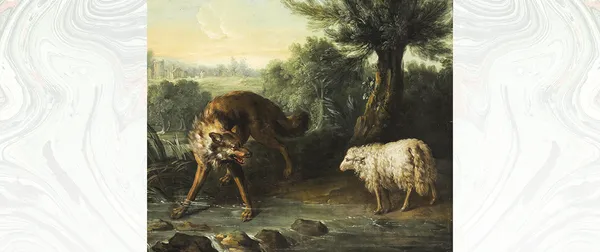

 João Paulo Bueno
 Pope St. John Paul II
 Plinio Corrêa de Oliveira