 November 2026, No. 229
 October 2026, No. 228
 September 2026, No. 227
 Who are the Heralds of the Gospel?
 Help of Christians
 Christmas Carols
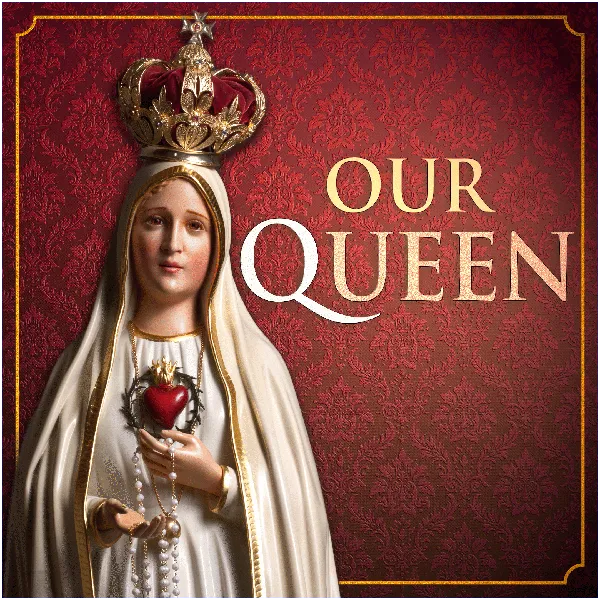

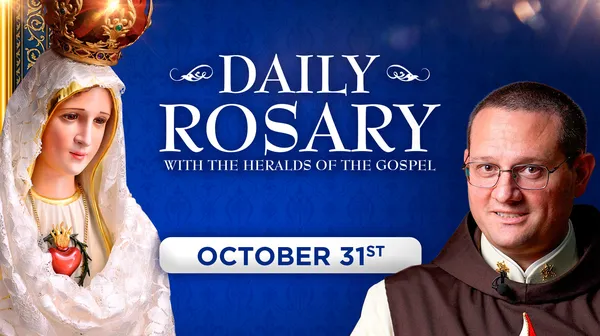






It would show great ignorance, even from a merely practical point of view, to deny the power of art. In the Middle Ages, art was the surest auxiliary of mysticism and of the Liturgy; it was the cherished daughter of the Church and her interpreter, charged with expressing her thoughts to the masses, revealing them in cathedral porticoes and altarpieces.
It was art that explained the Gospels to the multitudes and inflamed their enthusiasm; it was art that drew them, in joyful prayer, to the foot of the crib or shook them with sobs at the sight of the weeping groups on the Calvary scenes; art again, which brought them trembling to their knees, on wondrous Easters, before the newly-risen Christ, leaning on His gardener’s spade and smiling at Magdalene; or which raised them, in breathless ecstasy on extraordinary Ascensions, to hail their Saviour as He ascended heavenwards, raising a pierced hand, from which rubies shone, to bless them.
But how far off all this seems! Alas! how forsaken, how bloodless the Church is since she lost her interest in art, and since art has withdrawn from her. She has lost her best form of propagation, her surest means of defence.
It would seem that now that she is besieged and pouring water from all sides, she must im-plore the Almighty to send her artists whose works would certainly bring about more conversions and earn her more adherents than the empty refrains which her priests […] from their pulpits pour over the resigned heads of the faithful!