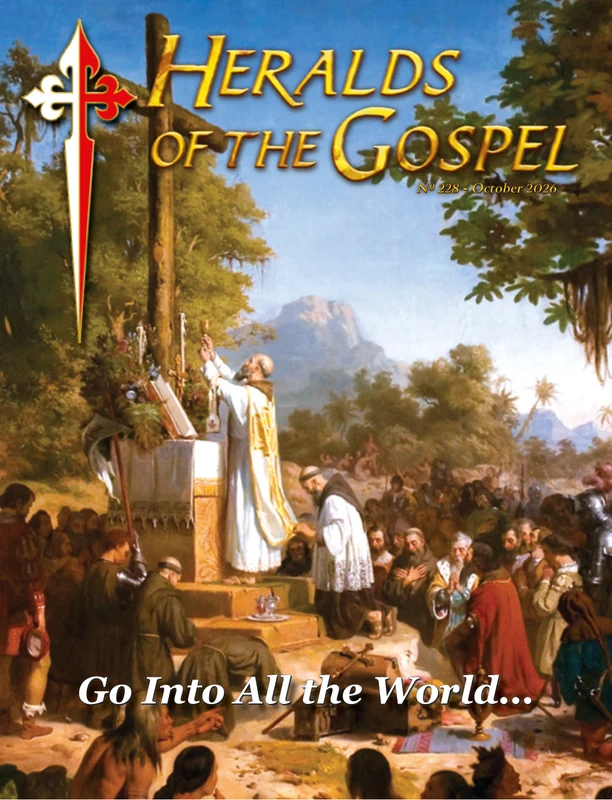
 Heralds of the Gospel Magazine, Vol. 20, nº 228, October 2026
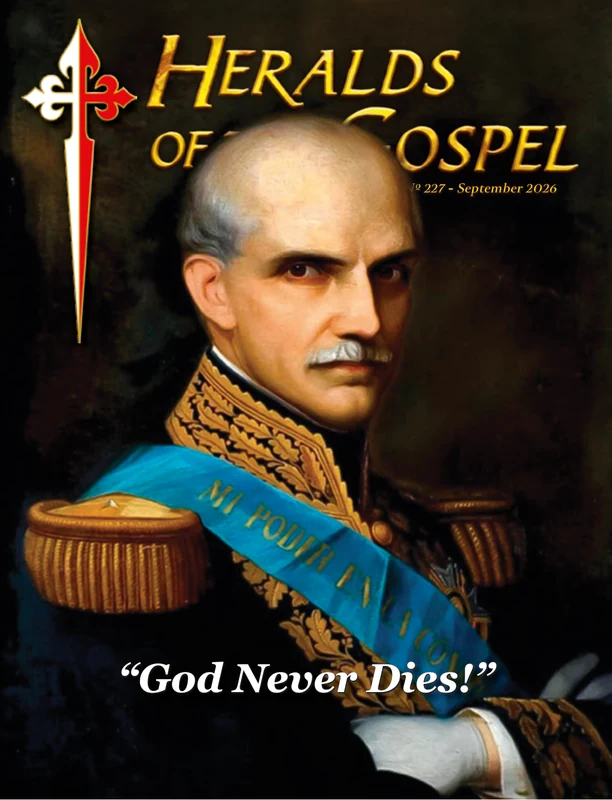 Heralds of the Gospel Magazine, Vol. 20, nº 227, September 2026
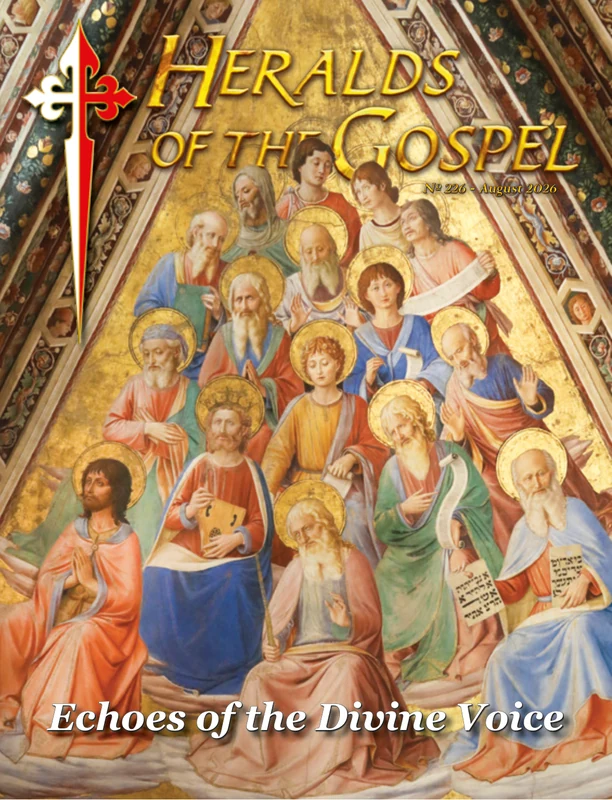 Heralds of the Gospel Magazine, Vol. 20, nº 226, August 2026
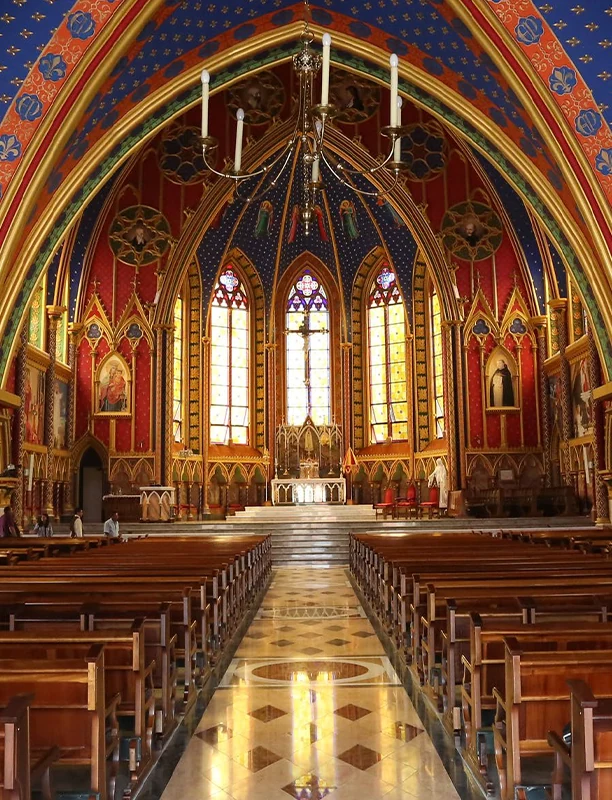 Who are the Heralds of the Gospel?
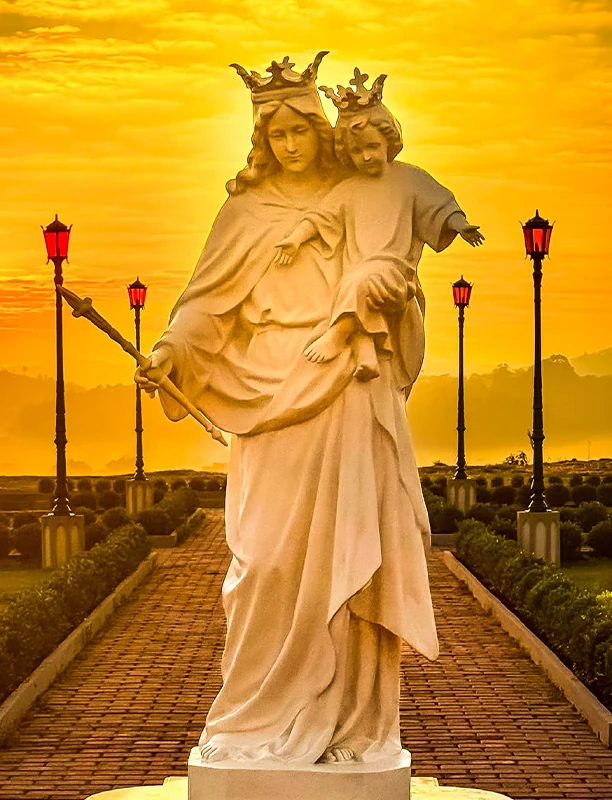 Help of Christians
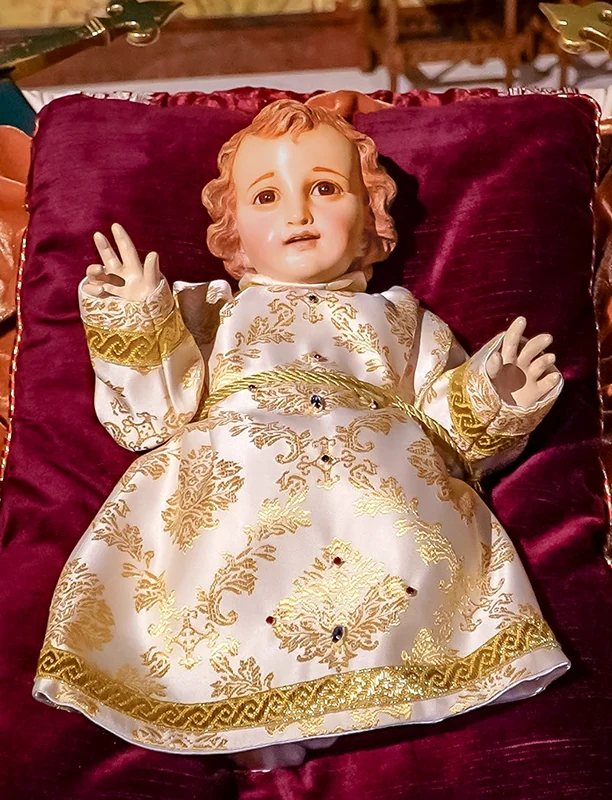 Christmas Carols








This paragraph leads us to reflect on an essential point in the life of the Church: apostolic successes are not based on techniques, strategies, or human talents, but rather on the effects of grace in the soul of the apostle who, faithful to his configuration with Jesus Christ through Baptism, fulfils his mission.
In this context, a question arises: what is the mission of the Church? The Catechism itself answers: its mission consists fundamentally in evangelizing and being the universal sacrament of salvation1 and, at the same time, in being “the sign and the instrument of the communion of God and men.”2 For this reason, the “message of salvation” only becomes perceptible to men when corroborated by the “witness of life.”
Conversely, nothing is more harmful to the “proclamation of the Gospel” and the “mission of the Church” than the infidelity of the apostle, whether by words or by behaviours that are discordant with faith and morals. A bad tree cannot bear good fruit (cf. Mt 7:18).
These teachings are based on the Decree Apostolicam actuositatem of the Second Vatican Council, which emphasizes that “good works done in a supernatural spirit,” that is, under the inspiration of grace, “have the power to draw men to belief and to God.” This theme is extensively explained in the book The Soul of the Apostolate, by the Trappist abbot Dom Jean-Baptiste Chautard.
In this work, it is demonstrated that no apostolic work is truly fruitful when devoid of interior life and the consequent union with God and devotion to Our Lady. Whoever embarks on evangelization without the support of grace and virtues receives sterility as a consequence.
As a remedy for this great evil, Dom Chautard indicates three essential points. 1. The apostolate must be the natural overflow of prayer, of the apostle’s union with God. 2. The danger of the illusion of activism: the apostle who exhausts himself in external works, without interior life, becomes superficial and puts his own soul at risk. 3. The perfect balance lies in cultivating the interior life, without neglecting the work for the salvation of souls. In short, “we must never leave the God of works, for the works of God.”3
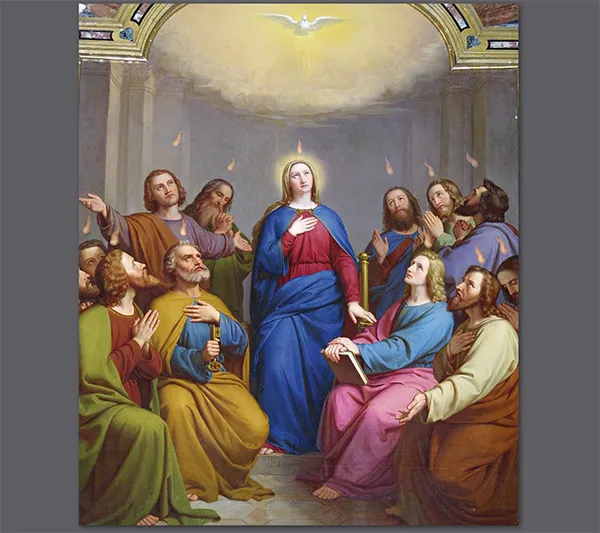
The perfect model of this harmonious link between prayer and action was Our Lord Jesus Christ, who frequently withdrew to pray, and acted effectively in society. Let us ask Mary Most Holy, Queen of the Apostles, for the grace to have an excellent interior life and thus to be faithful to our baptismal vocation by bearing witness to God in this world.
Catechism of the Catholic Church
Notes:
 Msgr. João Scognamiglio Clá Dias, EP