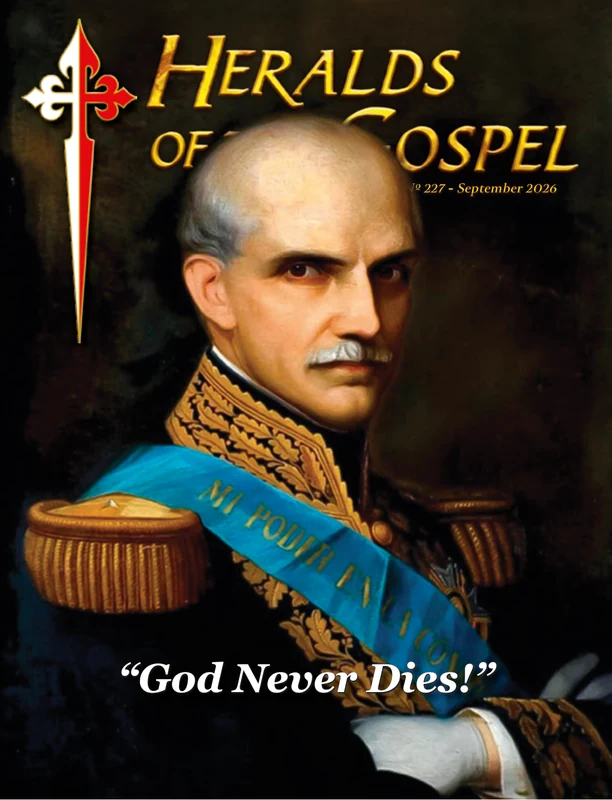
 Heralds of the Gospel Magazine, Vol. 20, nº 227, September 2026
 Heralds of the Gospel Magazine, Vol. 20, nº 226, August 2026
 Heralds of the Gospel Magazine, Vol. 20, nº 225, July 2026
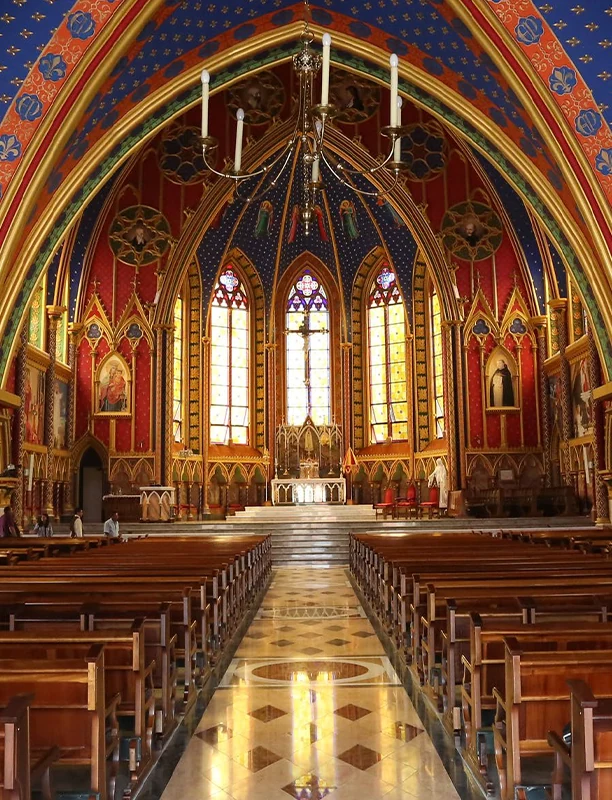 Who are the Heralds of the Gospel?
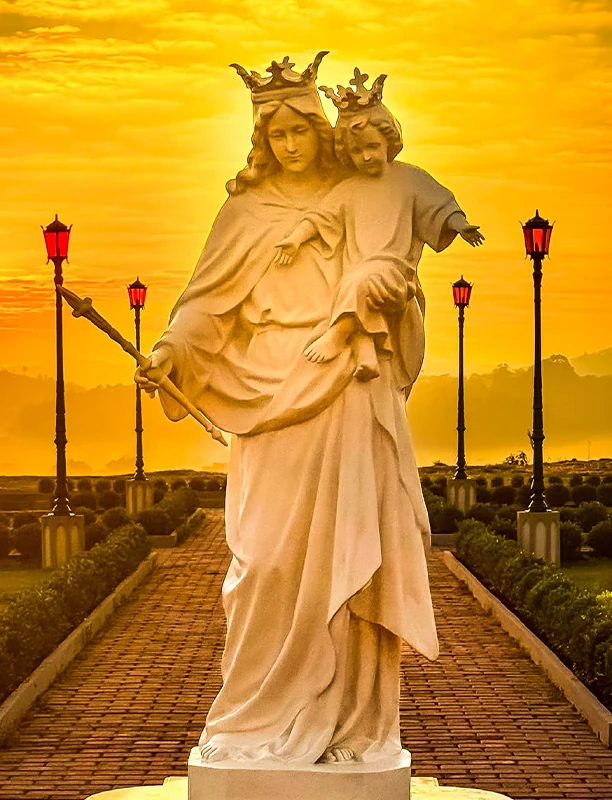 Help of Christians
 Christmas Carols








A shock upon arrival
The missionaries’ goal was clear: to convert the pagans to the Christian Faith. But what was their surprise when they disembarked and encountered an unexpected scenario? We can imagine their shock through the words of the missionaries themselves. Fr. Nóbrega describes a negligent clergy, whose members exercised their offices “more like demons than clerics,”1 publicly teaching a doctrine contrary to that of the Church. As for the natives, one of the missionaries put it this way: “When they are drunk, they become so brutish and fierce that they do not forgive anyone, and when they can do nothing else, they set fire to the house where the foreigners are.”2 And Fr. Nóbrega recounts even worse customs: “When they capture someone […] they fatten him like a pig until they kill him, and then all the villagers gather to watch the feast. […] And when he is dead, they immediately cut off his thumb, because he used to shoot his arrows with it, and they cut the rest into pieces to eat it roasted or boiled.”3 However, the Jesuits did not back down. Living up to their title of company, they threw themselves into the apostolate like an army in battle array.The tactics of the conquest
Being a good a strategist, the leader of the detachment soon set down his tactics: organizing the few workers available to reap the great harvest, he had the six of them spread out from north to south across the territory of the Portuguese crown. Thirsting for souls, they went deep into the forests, however dense, adopting the following procedure: when they came into contact with new tribes, they would first spend a few days among them without mentioning religious topics. After gaining the leaders’ trust, they began to preach, usually in the evening when everyone had returned to the village. What most astonished their public was that they delivered their exhortations in the local Tupi language, which the Jesuits had quickly mastered. Within a few months, Fr. Navarro was already able to hear Confessions without an interpreter, as well as having produced a first draft of a grammar, which Fr. Anchieta would later use to make his own.
Oppressors?
But the Jesuits did not limit their work to spiritual care. From the moment they arrived in those lands, they fiercely fought indigenous slavery, already common among the settlers. Despite incurring widespread hatred against themselves, they firmly represented the voice of the Church in favour of human freedom, and the captivity of the indigenous people was extirpated with great difficulty. Moreover, with the epidemics that emerged during colonization – such as the one in 1562, which killed more than 30,000 aborigines – the priests themselves became physicians. With in-depth knowledge of the use of herbs in medicine, they began to heal not only the Indian’s souls, but also their bodies. The Jesuits’ presence among the pagans resembled that of the first Apostles. Although it did not please everyone – recalling the fierce persecution that Pombal would inflict in the 18th century – since it was a divine work, no one was able to destroy it (cf. Acts 5:38-39).You will know the tree by its fruits
As the years went by and at the cost of many sacrifices, the number of missionaries grew, both through the entry of natives and those coming from Europe to join the noble mission. In 1553, the unforgettable St. Joseph of Anchieta arrived in the Land of the Holy Cross.The history of Brazil became almost inseparable from that of the Society. Their achievements were remarkable. They built colleges in eight cities at the very beginning of the enterprise. The oldest churches have them as their driving force. Many of Brazil’s current metropolises, such as Rio de Janeiro and Salvador, would never have prospered without the contribution of these same heroes; São Paulo only rose thanks to Fr. Nóbrega’s dream of building an outpost for the education of the natives. Finally, it seems certain that Brazil would not have become a Christian power without the audacity of these true conquerors of the Faith. It is disconcerting to hear the Jesuits of that time labelled “oppressors”, “profiteers” or “imperialists” in certain uncatholic circles. Is there a better response to lies than the facts themselves? History has shown us that the activities of the “black robes”, far from being an object of shame, were actually a beacon of light that illuminated the period of the discoveries, not only in Brazil, but in all the former colonies of the world. Finally, asking pardon for the crimes of others is not the invention of our contemporaries; Jesus Christ did it long ago (cf. Lk 23:34). So why not formalize here, on behalf of their detractors, a request for forgiveness to these heroes who once watered our soil with their own blood? ◊Brazil’s history was close to that to the Company of Jesus, with their remarkable achievements in the social and religious fields
St. Joseph of Anchieta, Apostle of Brazil
His figure stands at the forefront of our history, presiding over the formation of our nationality with the vigour of a hero and the virtue of a saint. The similar figures that we see at the dawn of a large number of famous nations generally shine with the aggressive glare of fierce and ruthless heroes, gaining celebrity either in just wars or in unspeakable pillages. Their existence is debated, and their greatness are fantasies woven by nationalistic pride, which are entirely dispelled by the impartial study of history. And this is true from Romulus to William Tell. Anchieta, on the other hand, entered history in a triumphal chariot that was not pulled by prisoners and the defeated, nor did suffering feature in his procession, nor did war hymns celebrate his triumph, nor was armour his vestment. He was dressed in the white tunic of his immaculate innocence. His peaceful procession was made up of a race that he had plucked from savagery and defended against captivity, and an entire nation that he had helped to build up for the greater glory of God, softening the rancour of men and beasts, in the fulfilment of the Gospel promise: blessed are the meek, who will possess the land (cf. Mt 5:5).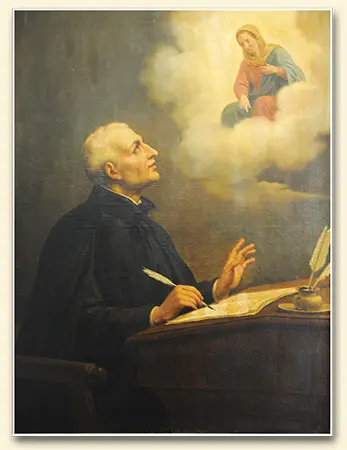
CORRÊA DE OLIVEIRA, Plinio. Speech in the National Constitutional Assembly, 19/3/1934. In: Opera Omnia. São Paulo: Retornarei, 2008, v.II, p.62-63
Notes
1 NÓBREGA, Manuel da. Carta ao Pe. Simão Rodrigues, 11/8/1551. In: MOURA HUE, Sheila (Ed.). Primeiras cartas do Brasil. Rio de Janeiro: Jorge Zahar, 2006, p.67. Worthy of mention is the novelty that the Jesuit mail system represented for the time. The missionaries from the most diverse places in the world had to write letters from time to time, and these were quickly copied to be shared with the other members of the Society at all ends of the globe, so that each one knew about the activities of the others, even in distant regions such as Brazil, India or Japan. The ingenious method contributed enormously to the cohesion of the Order and its union with its head, St. Ignatius, who was in Rome.
2 AZPILCUETA NAVARRO, João de. Carta aos irmãos da Companhia de Jesus de Coimbra, agosto de 1551. In: MOURA HUE, op. cit., p.78-79.
3 NÓBREGA, Manuel da. Carta aos padres e irmãos da Companhia de Jesus em Coimbra, agosto de1549. In: MOURA HUE, op. cit., p.38.
4 Cf. CORREIA, Pero. Carta a um padre do Brasil, 1554. In: MOURA HUE, op. cit., p.104.
5 From the Latin: chosen vessel (cf. Acts 9:15).