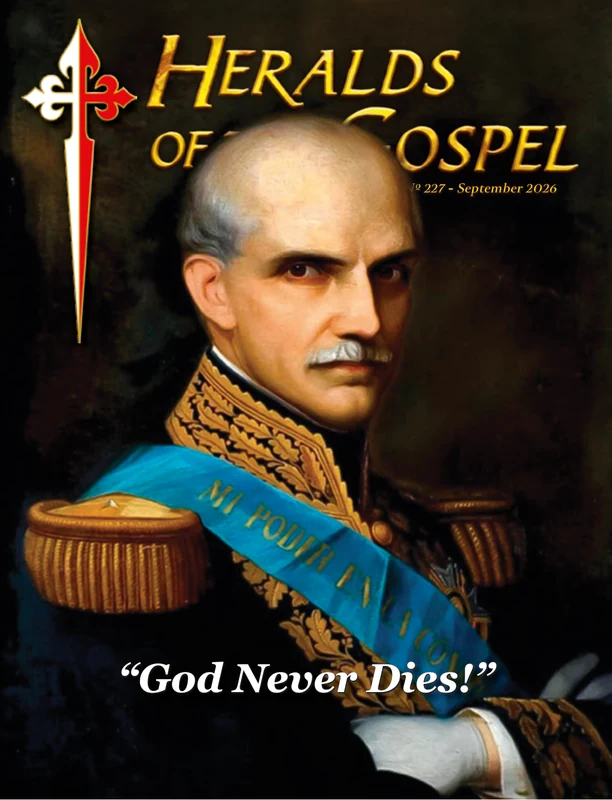
 Heralds of the Gospel Magazine, Vol. 20, nº 227, September 2026
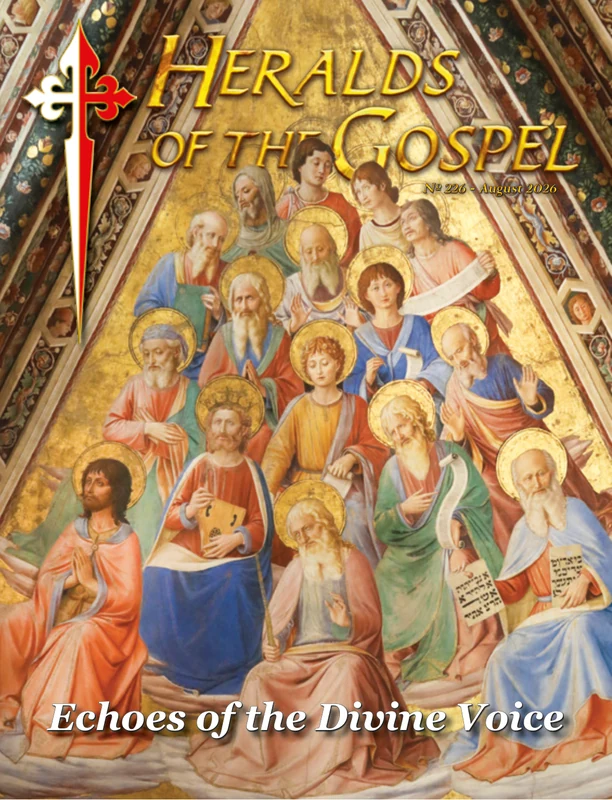 Heralds of the Gospel Magazine, Vol. 20, nº 226, August 2026
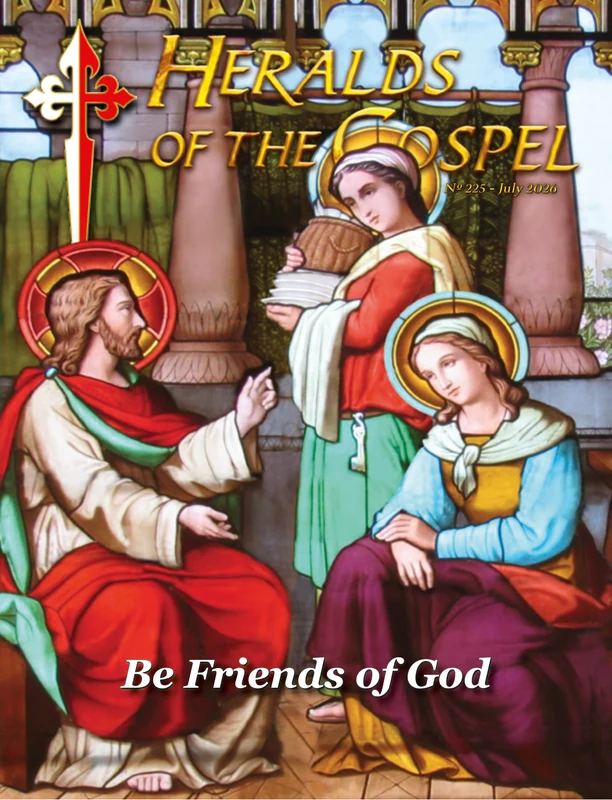 Heralds of the Gospel Magazine, Vol. 20, nº 225, July 2026
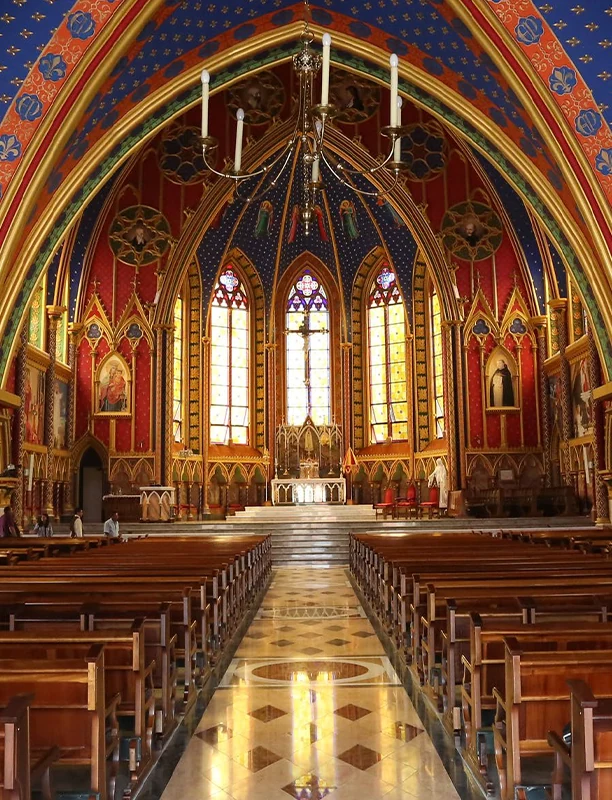 Who are the Heralds of the Gospel?
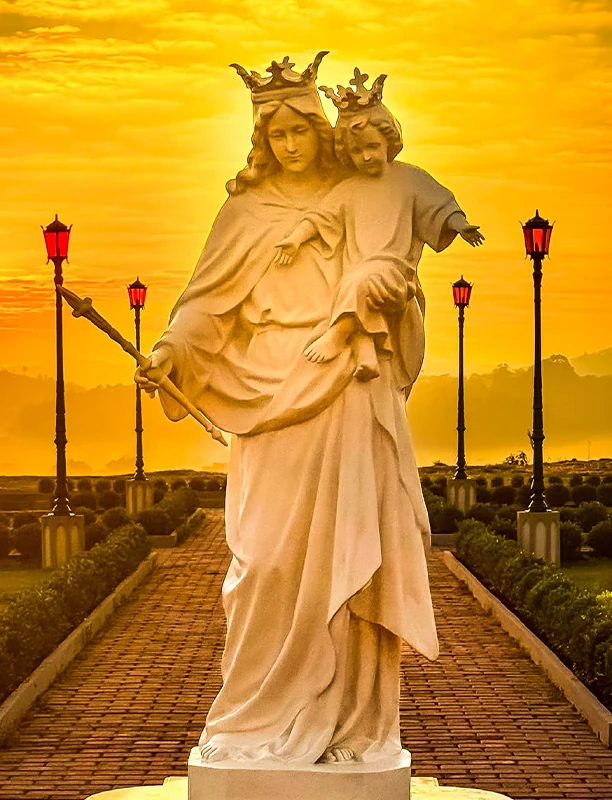 Help of Christians
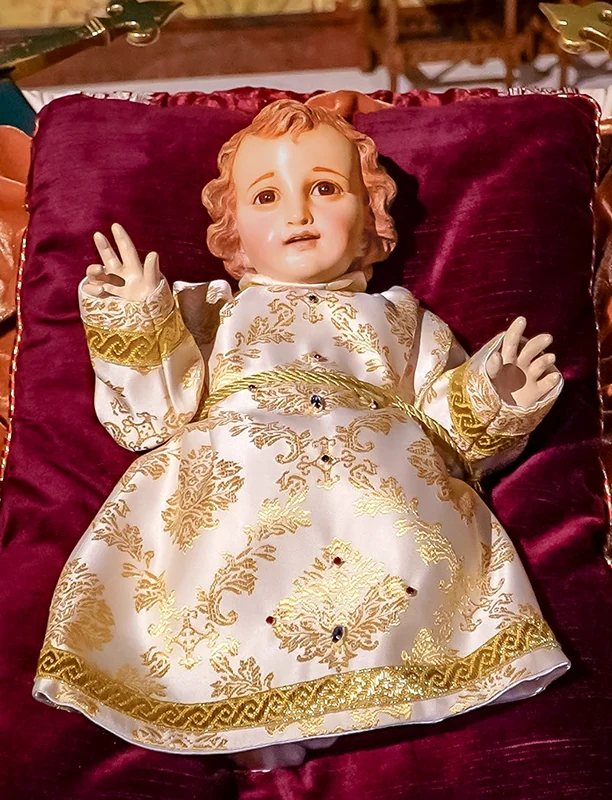 Christmas Carols






“Moses breaks the Tables of the Law”, by Gustave Doré
Our Lord made Himself the emblem of mercy…
But God, from all eternity, knew that punishments and threats would not rectify the disaster that had been established on earth with the sin committed by Adam and Eve. That is why, in the fullness of time, the Three Persons of the Blessed Trinity created Our Lady, in whose virginal womb the Word took on human nature in order to make reparation for the original fault and pay off humanity’s debt. Then history changed completely: at the cost of His sufferings, giving Himself up by death on the Cross, He paid the price of the Redemption of the human race in superabundance and elevated it once again to the divine plane. Then the gates of Heaven, previously been closed, were opened to mankind.
Jesus cures the paralytic - St. Colman’s Cathedral, Cobh (Ireland)
…and proclaimed it as law
What a magnificent contrast! Jesus, Beauty, Purity, Perfection in essence, does not despise sinners, men considered outcasts, but covers them with the mantle of His holiness, as if to say: “Respect these people, because they are under my care. I am the doctor and they are my patients.” We see in the attitude of Our Lord Jesus Christ not only a manifestation of friendship, but something bolder: He took every opportunity to proclaim the great new law of mercy. The Law of Moses remained the same, because it is eternal, as the Divine Master said: “Think not that I have come to abolish the law and the prophets” (Mt 5:17). However, He came to complete it, establishing a much more intense path of holiness, which is not based on fear of punishment, but on the inner transformation of souls through grace and the Sacraments, so that man began to desire and love the practice of the Law with enthusiasm, and it became light to carry: “For my yoke is easy, and my burden is light” (Mt 11:30).God needs to forgive and He hastens to do so
The most beautiful parables about mercy told in the Gospel – those of the lost sheep and the lost drachma and that of the prodigal son (cf. Lk 15:3-32) – are related by Our Lord while arguing with the Pharisees, to show how those who return to the true path, after having abandoned the ranks of virtue and embraced vice, give God more joy than the righteous who persevered.
Return of the prodigal son - St. Colman’s Cathedral, Cobh (Ireland)
First condition: to recognize our own misery
What does He expect from us? Repentance! This is the first essential condition for receiving forgiveness. Those who think they do not need forgiveness are deceiving themselves and making God out to be a liar, as the Apostle St. John teaches in his first epistle (cf. 1 Jn 1:8-10). This is what we pray daily in the Our Father: “forgive us our debts” (Mt 6:12). In composing the perfect prayer, Our Lord would not include a meaningless petition. Therefore, each one of us needs to admit that we have indeed sinned and recognize ourselves, consequently, as debtors. With the exception of Our Lord Jesus Christ and the Blessed Virgin – both impeccable and therefore not subject to any forgiveness – all other creatures could be more perfect. Even the Saints have some reason to beat their breast, since the righteous sin seven times a day (cf. Prv 24:16). Why, then, would we boast about our qualities, presenting ourselves as great? If they beat their breast with their right hand, should not we strike ours with a hammer, groaning with a contrite and humbled heart like David: “Have mercy on me, O God, according to Thy great mercy” (Ps 50:1)? Human pride is therefore madness, a monumental stupidity! If we are presumptuous, trusting too much in ourselves, God will withdraw His hand and leave us in our poverty; but if, instead, we know how to be humble, aware that we have no other prerogative before God than the honest and unmitigated acknowledgement of our nothingness, He will grant us what we ask of Him, and we will recover even more than what we had lost through our faults. Nevertheless, sadness at our imperfections must be tempered by hope. Let us be careful never to allow ourselves to be overwhelmed, and even less to fall into despair, because despair can lead people to commit more serious and numerous sins. The worst evil is not the fault committed, but the discouragement that the devil introduces into the sinner’s soul, with the aim of making him lose his trust in God.Second condition: to forgive personal enemies
However, it is well for us to consider a second condition – no less essential than the first – for obtaining forgiveness, also taught by Our Lord in the Our Father: “And forgive us our debts, as we also have forgiven our debtors” (Mt 6:12). He wanted to emphasize this condition very strongly, because He repeated it on other occasions: “if you do not forgive men their trespasses, neither will your Father forgive your trespasses” (Mt 6:15); “forgive, and you will be forgiven” (Lk 6:37). These are binding words, by which Our Lord demands such reciprocity that He puts our individual fate in our own hands: in order to be reconciled with God, it is absolutely essential that we forgive those who have offended us, whether a little or greatly. There are many reasons why people cannot forget the insults they have received, but this difficulty stems above all from a poor spiritual life. While it is impossible without God’s grace to overcome resentment, it is also true that the flow of grace needs to be fuelled by prayer, otherwise no one will have the strength to forgive their enemies. Of course, we are referring here to personal enemies, those whom one dislikes, but not adversaries of the Faith. As far as the latter are concerned, one must demand reparation for the damage done to God and to religion. Let us therefore endeavour to love those who hate us from the bottom of our hearts and thus resemble God, the great Forgiver!
Msgr. João during a meeting in 1998
The Reign of Mary will be born of a great pardon
The Holy Roman Catholic Church was born of the recognition by sinners, such as the Apostles, of their own misery. They had accompanied Our Lord and had witnessed fabulous miracles performed by His power. But when the hour of the Passion came, they fled and abandoned Him. Later, humiliated, they sought out Our Lady and it was in contact with Her that they found forgiveness. Now, we too are called to contribute to the foundation of the Reign of Mary. However, we see that unfortunately our nature has been broken by the Revolution, dominated by sensations and subject to insecurities. We are not even like the men of the Old Testament, not even like the Apostles, and much less like the medieval men who erected Christendom. On the contrary, if we consider our past life, how many omissions and mistakes, how many infidelities, how much sluggishness and relativism we will find! How then can the most beautiful reign in history be born? Will it be through our efforts? Will we be able to draw from ourselves the qualities and virtues to bring forth marvels? It can be said that the Reign of Mary will be founded on a great pardon, granted to miserable persons who recognize their incapacity and their nothingness. It will be the Reign in which Our Lady’s power will shine with greater glory, acting on a weak but faithful generation, for She will open a door of mercy for us (cf. Rv 3:8). Let us turn our eyes and hearts to the Mother of all graces with the confidence of an only child: She will carry us in her arms, and together with forgiveness, She will give us the encouragement to start anew in a grander way on the path that humanity interrupted through its inconstancy. ◊Excerpts from oral presentations given between 1992 and 2010