 Heralds of the Gospel Magazine, Vol. 20, nº 227, September 2026
 Heralds of the Gospel Magazine, Vol. 20, nº 226, August 2026
 Heralds of the Gospel Magazine, Vol. 20, nº 225, July 2026
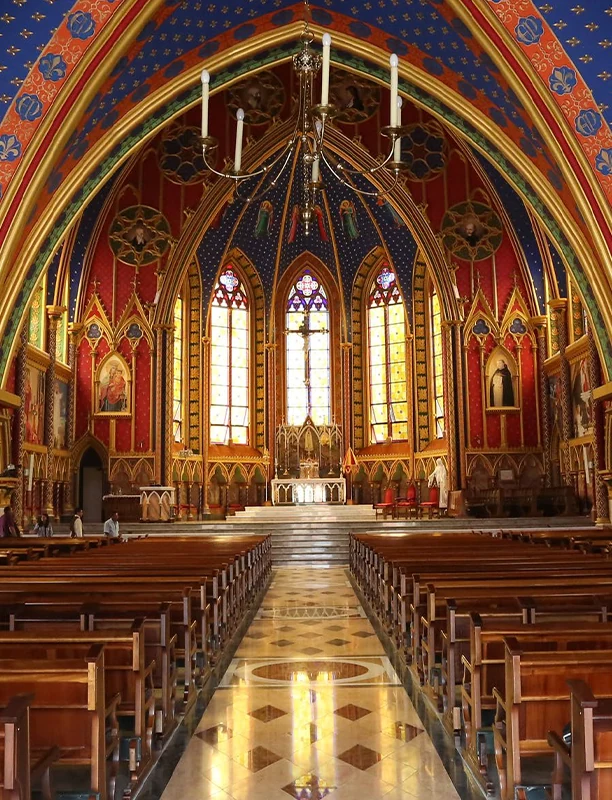 Who are the Heralds of the Gospel?
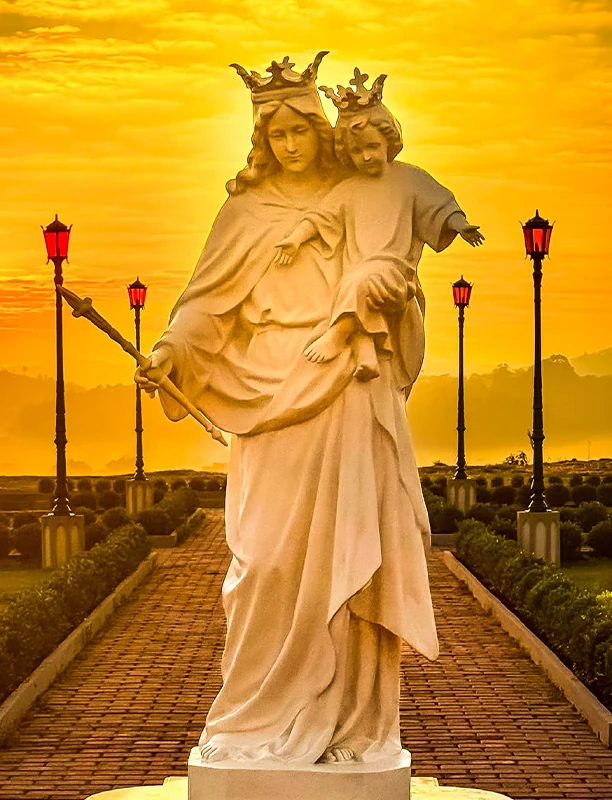 Help of Christians
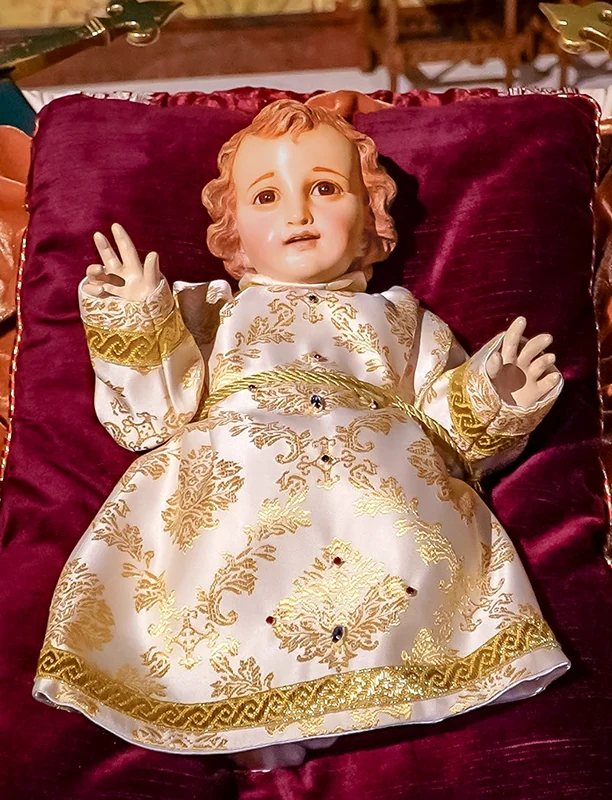 Christmas Carols







Tyranny of Antiochus Epiphanes
Among the countless feats told in the two books of the Maccabees, perhaps none is more admirable than the purification of the Temple and the rebuilding of the altar of burnt offerings. The episode narrated in the first book takes place more or less 175 years before the coming of Our Lord Jesus Christ into the world.Many years after the death of Alexander the Great, King Antiochus IV Epiphanes, known by the sacred author as “a sinful root” (1 Mc 1:10), invaded and conquered Jerusalem, bringing days of great persecution to the Hebrew people, holders of the divine promises. According to the Scriptures, this calamity was also the result of the unfaithfulness of the Jews themselves, some of whom had seduced their co-religionists into adopting pagan customs, turning away from the precepts of the Law.The persecution unleashed by Antiochus and the profanation of the Temple caused the Maccabees to rise up against the tyrant

The insurrection of the faithful souls
Mattathias was a respected priest from Joarib’s family and lived in Modin, a town about forty kilometres north-west of Jerusalem. The king’s emissaries arrived there with orders to force the inhabitants of the region to sacrifice to idols. The insurrection of Mattathias, who, “burned with zeal” and “gave vent to righteous anger” (1 Mc 2:24), killed with his own hands both the royal emissary and the first Jew from that place who decided to apostatize from the true religion, is part of the pages that every Catholic should read in the Scriptures and is the event with which the struggle of the Maccabees for the liberation of their people begins.
Engraving by Gustave Doré (edited)
“He was like a lion in his deeds, like a lion’s cub roaring for prey. He searched out and pursued the lawless; he burned those who troubled his people. Lawless men shrank back for fear of him; all the evildoers were confounded; and deliverance prospered by his hand. He embittered many kings, but he made Jacob glad by his deeds, and his memory is blessed for ever” (1 Mc 3:4-7). Little by little, that band of faithful souls overcame both internal enemies and external dangers, and reconquered Jerusalem, the Holy City.Vanquishing internal foes and triumphing over external dangers, that handful of faithful souls reconquered the Holy City
Victory and purification of the Temple
After the definitive victory over the pagans, the sacred text says that Judas and his brothers went up to Mount Zion and there “they saw the sanctuary desolate, the altar profaned, and the gates burned. In the courts they saw bushes sprung up as in a thicket, or as on one of the mountains. They saw also the chambers of the priests in ruins” (1 Mc 4:38). Deeply dismayed, they set out to purify the Temple and re-consecrate it, choosing “blameless priests devoted to the Law” (1 Mc 4:42). They remodelled the entire sanctuary, provided the sacred vessels and furnishings for worship, built a new altar of burnt offerings and offered sacrifices there. The celebrations for the dedication of the altar went on for eight days, and “There was very great gladness among the people” (1 Mc 4:58).A symbol of union with God
These events so united these men and women that, by divine inspiration, Judas decreed that the date should be celebrated every year, in memory of the purification of the Temple and the rebuilding of the altar. In this way, they sealed their unanimous desire to live for the Lord. It is beautiful to note that their first concern was not to celebrate the victory, but to take care of the Temple that had been desecrated. And why was that? Because their lives revolved around what symbolized their union with God: the altar. And here there is a valuable lesson for us. We mentioned earlier the testimony of blood, a remarkable grace. Well, the best way to be faithful when this testimony becomes necessary – as the Maccabean brothers were – is to live now and at all times entirely turned towards the altar.May our hearts always be in God
Let us now turn to another passage of Scripture and analyse the scene in which Our Lord Jesus Christ, many years later, enters this same Temple once restored by the Maccabees (cf. Mk 11:15-18; Mt 21:12-13; Lk 19:45-46). And what does He find there? People exchanging money, selling and buying a variety of merchandize… In short, they were people who do not live for the altar, but for their own selfishness. Our Lord treats them with severity, declaring: “‘My house shall be called a house of prayer’; but you make it a den of robbers” (Mt 21:13). Then comes the scene of the expulsion, so well known to all.
Today, how many places of worship do we have at our disposal? How easy is it for us to enter a church to pray? How lavishly does the Saviour fulfil His promise to be with us every day until the end of time (cf. Mt 28:20), patiently enclosing Himself in thousands of tabernacles throughout the length and breadth of the earth? But what is our conduct in this regard? Is it like that of Judas Maccabeus and his followers, who lived at the service of the altar, or is it more like the Jews of Our Lord’s time, who decided to despise the Temple and, often even defiling it, devoted themselves instead to their own selfishness? It is a harsh question, but a necessary one. Because there is desecration that has reached its extreme, but also the process that leads to it. And the process begins when we forget the altar and start to live independently of it. May these considerations serve us to examine our conscience and formulate the firm resolution of always turning our hearts towards God, the Church and the life of grace, certain that the rest will be added unto us (cf. Lk 12:31). ◊Are we like Maccabeus and his followers, who lived for the altar, or like those who, out of selfishness, profaned the Temple?